


 By Anna
You are preparing a private-label remote-control mower project and two suppliers have replied with opposite OEM and ODM labels for what sounds like the same starting point. Before you compare price, ask each supplier to describe the project in plain terms, because the acronym alone will not tell you who designs what.
Treat OEM and ODM as supplier-specific labels, not industry rules. The useful comparison is the same project written once: existing platform, your design input, requested changes, approvals, and document responsibility. Ask both suppliers to answer that identical brief in writing, then compare the answers line by line.
This article does not declare one definition correct. It shows two published supplier explanations that point in opposite directions, keeps each one attached to its own product scope, and turns the disagreement into a question set you can send to any mower supplier. Super Mowers' own OEM/ODM page is a customization evaluation entry point; it does not mean every model supports every requested change.
OEM vs ODM lawn mower: Why two suppliers can label the same starting point differently

A supplier's OEM/ODM label usually reflects its own business model, its usual customer, and where it draws the line between "the buyer's design" and "our design." Two companies can both start from a platform they already build and still describe the buyer's role differently. That is why a label copied from one supplier's page should not be used as the acceptance criterion in another supplier's quotation.
The practical consequence is simple: if you send a brief that says "ODM mower, private label," you may receive two proposals that assume different design owners, different approval steps, and different document responsibilities. The word has travelled, but the meaning has not.
NEWTOP calls existing-platform branding OEM; Altverse calls its existing robotic mower platform ODM
The two reference pages in this brief use the terms in nearly opposite ways, and each page is written for its own equipment category.
| Source | Equipment scope stated by the source | How the source uses the label | What a buyer should not assume from it |
|---|---|---|---|
| NEWTOP, "OEM vs ODM Outdoor Power Equipment" | Outdoor power equipment generally | Describes OEM work around branding an existing platform for the buyer | That every outdoor-power supplier uses the same boundary, or that a branded platform involves no design changes at all |
| Altverse, "ODM vs OEM Robot Lawn Mowers" | Robot lawn mowers | Describes ODM around its existing robotic mower platform | That a remote-control mower project, or any other supplier, follows the same split |
Read the table as a record of two published viewpoints, not as a definition pair. NEWTOP writes about outdoor power equipment broadly; Altverse writes about robot lawn mowers. Neither page is a statement about Super Mowers configurations, and neither settles a legal definition. The observation date for this comparison is 12 November 2026, and both pages should be re-read before you rely on them in a live negotiation, because supplier pages change.
The more important point is structural. In both cases, the supplier already has a platform. The disagreement is about what the buyer adds and who owns the result. That question does not disappear when you pick a label; it only becomes harder to see.
Describe the mower project without relying on an acronym
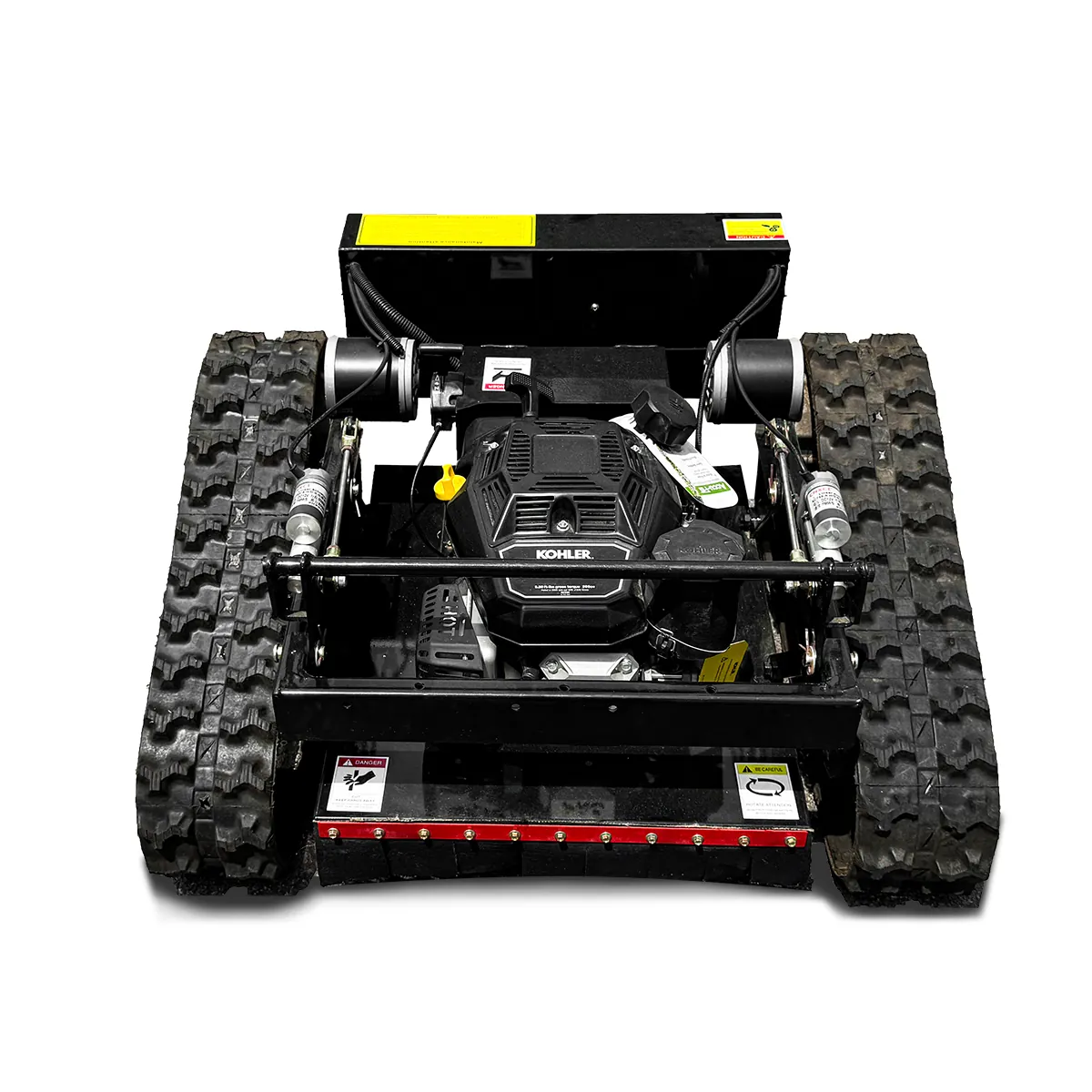
Write the project as a description of work, not as a category name. A supplier can argue about whether your project is "OEM" or "ODM," but it is much harder to argue with a written statement of which platform, which changes, which approvals, and which documents are in scope.
The description below is a briefing structure, not a claim about what any supplier offers. Fill it in with your own requirements, then ask each supplier to confirm, correct, or decline each line in writing.
Platform, design input, requested changes, approvals and documents
Platform. Name the base machine or machine family you are discussing, including the control arrangement. For a remote-control mower, say so explicitly and keep that term in every reply you compare. A remote-control machine is not the same product as an autonomous or robotic mower, and a supplier page about robotic mowers does not describe remote-control equipment.
Design input. State who supplies the industrial design, the housing or guard changes, the control layout, the branding placement, and any software or interface requirements. If you are supplying a design, say which parts of it are fixed and which are open. If the supplier is supplying the design, say which elements you are allowed to review and approve.
Requested changes. List each change separately rather than grouping them as "customization." A decal change, a different control panel label, a modified discharge arrangement, and a new battery configuration are different requests with different engineering, tooling, and approval consequences. Some may be routine; some may not be offered at all.
Approvals. Ask who approves the sample, who signs off the pre-production unit, and what happens if the delivered machine differs from the approved sample. Approval responsibility is often the real dividing line between supplier-led and buyer-led projects, and it is rarely captured by the acronym.
Documents. Ask which party prepares which document, in which language, for which destination market. For a remote-control mower sold in the EU, the CE marking document article explains why the machine-level file matters. Do not assume that a supplier's existing declaration, manual, or label set automatically covers your brand, your configuration, or your market.
A useful discipline is to keep the acronym out of the brief entirely and add it only at the end, as a question: "Which term does your company use for this arrangement, and what does that term mean in your quotation?" That way the label describes the answer instead of shaping it.
Send one comparable question set and record answers

Send the same question set to every supplier, in the same order, and ask for written answers rather than a call summary. Comparison only works if the inputs are identical. Keep a record of who answered what and on which date, because supplier positions on branding, tooling, and documents can change between quotation rounds.
Application review
Discuss your mowing application.
Share the working condition, target market, product family and project scope.
Branding assets, scope, tooling/access and market documents as questions, not promises
The questions below are deliberately open. They ask a supplier to state its position; they do not assert that any capability exists.
| Topic | Question to send to each supplier | What a useful written answer looks like |
|---|---|---|
| Terminology | Which term does your company use for this project, and what does it mean in your own process? | A definition tied to your project, not a general marketing paragraph |
| Platform | Which existing platform or family is the starting point, and what is its control arrangement? | A named platform and a clear statement that it is remote-control, robotic, or otherwise |
| Branding assets | Which brand assets do you apply, who supplies the artwork, and who approves proofs? | A list of asset types and a named approval step |
| Design responsibility | Which design elements are yours, which are ours, and who signs the final design? | A split by element, with the approver named |
| Change scope | Which of our requested changes are offered, which need evaluation, and which are declined? | A per-item answer, including "not offered" |
| Tooling and access | Does the project need new tooling, and who owns or retains access to it? | A written statement on tooling ownership or access, or an explicit "to be agreed" |
| Samples and approval | What sample stages exist, and what does buyer approval cover? | A stage list and the scope of the approval signature |
| Market documents | Which documents, labels, and manuals are prepared by you, and for which markets? | A document list by market, with the preparing party named |
| Change control | How are post-approval changes requested, priced, and recorded? | A described change process, not a promise of free changes |
| Exclusivity | Is the configuration or branding exclusive to us, and for how long? | A clear yes, no, or "to be agreed" with conditions |
Two cautions apply to the whole table. First, a supplier's answer describes that supplier's process, not a market-wide standard. Second, an answer of "yes, we can customize" is not a specification; ask for the specific change, the specific approval, and the specific document.
When replies arrive, compare them by row rather than by overall impression. A supplier that is strong on branding may be vague on tooling; a supplier that is clear on documents may decline several of your change requests. The row-by-row view shows where the real differences sit, and it keeps the OEM/ODM label in its proper place as one data point among many.
FAQ

Can suppliers use opposite labels?
Yes. The two reference pages in this brief show it: NEWTOP describes OEM around branding an existing outdoor-power platform, while Altverse describes ODM around its existing robotic mower platform. Each page reflects its own company and equipment scope. Neither is an industry rule, and neither should be used to interpret a third supplier's quotation.
Does either label settle document or tooling ownership?
No. A label is a description of a business arrangement, not a transfer of responsibility. Document preparation, declaration responsibility, tooling ownership, and access rights must be confirmed in the project's written terms. Ask directly, record the answer, and treat an unanswered question as open rather than settled.
Conclusion
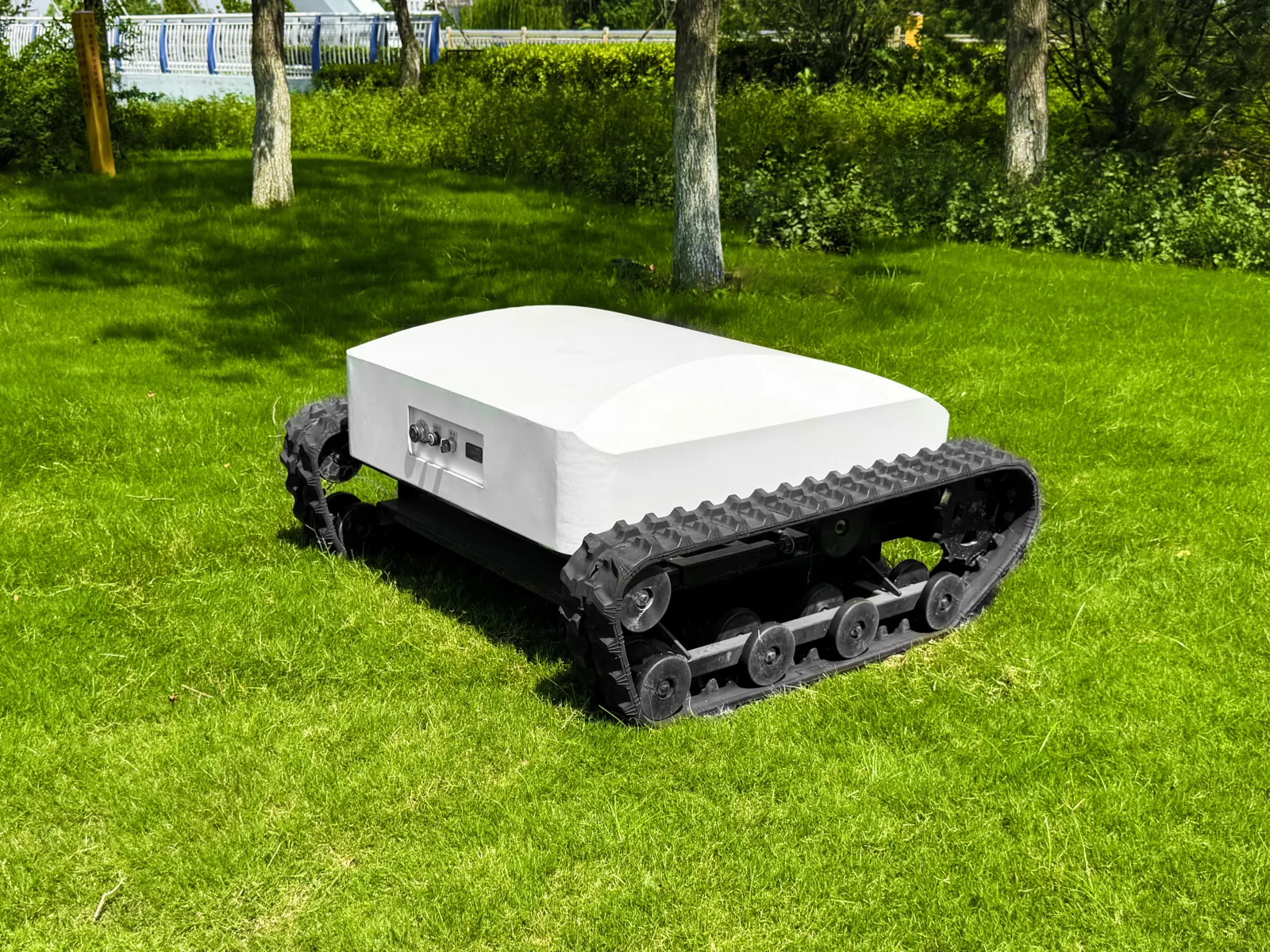
OEM and ODM labels vary by supplier, so compare written answers to one project brief instead of comparing acronyms. Send the same question set to each supplier and record the replies.
Start with the OEM/ODM evaluation entry point to describe your project scope.
Sources and further reading
- Altverse: ODM vs OEM robot lawn mowers
Video: Robotic Lawn Mower OEM/ODM in 90 Days — Skip $11M R&D
