


 By Anna
You are pricing a mowing or grounds job and two quotes look similar on the hourly rate, yet one includes a person and fuel and the other does not. Comparing them line by line is the only way to know which arrangement costs less for the work you actually have.
The equipment rental dry hire vs wet hire difference comes down to scope: wet hire bundles the machine with an operator and usually fuel and maintenance; dry hire supplies the equipment only, with your team running it. The cheaper hourly rate is not automatically the cheaper job, because labour, fuel, minimum charges, transport and insurance sit in different places.
This article sets out how to read both scopes, uses one named Australian provider as a documented example, and then runs a clearly hypothetical cost comparison so you can see where the crossover happens. No figure here is a Super Mowers price, and Super Mowers does not present itself as a hire provider, insurer or operator supplier.
Equipment rental dry hire vs wet hire difference: Define operator-included and equipment-only hire
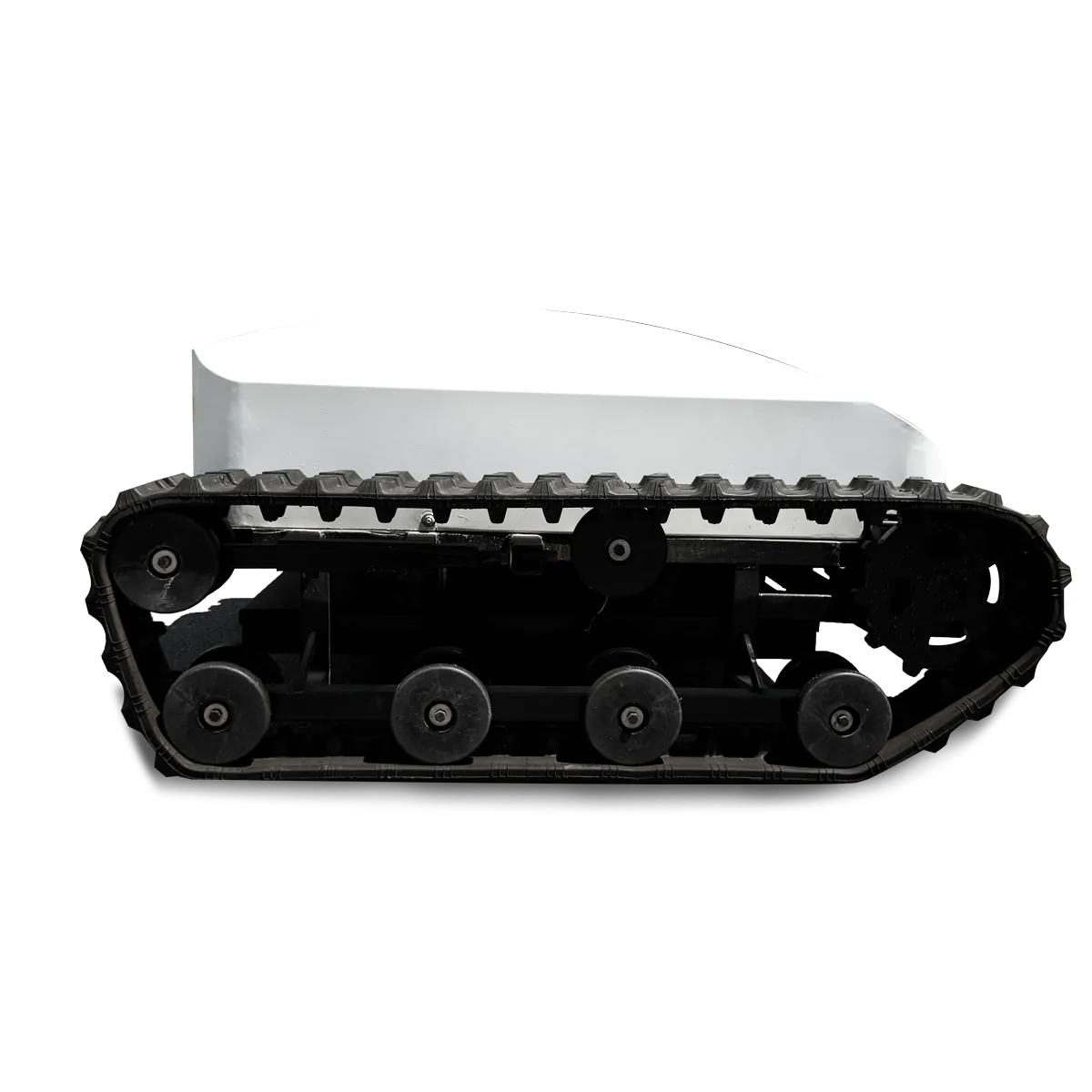
The difference between wet hire and dry hire is a difference in who supplies the people and the running costs, not just a difference in price. In an operator-included arrangement, the provider supplies a machine together with someone to run it, and the quote normally reflects that labour. In an equipment-only arrangement, you take the machine and supply the operator, the fuel and the day-to-day running decisions yourself. Everything else — transport, insurance, damage, breakdown cover, minimum billing periods — has to be checked because it is not decided by the label.
The phrase is often searched as though there were one global definition. There is not. The terms are used in Australia, the United Kingdom, New Zealand and elsewhere, but the inclusions attached to them vary by provider and by machine type. A wet-hire quote for a small tool may include an operator and nothing else; a wet-hire quote for earthmoving plant may include operator, fuel, maintenance and a daily minimum. Treat the words as a starting point for questions, not as a specification.
Identify regional terms and actual quoted service
Terminology travels poorly. A provider may advertise "operated hire", "machine and operator", "wet hire" or "dry hire" and mean slightly different things in each case. The reliable method is to ignore the label and read the inclusions list on the actual quote. Ask specifically whether the following are inside the rate or billed separately:
- an operator, and whether that operator's travel time is charged
- fuel, and whether it is full-to-full, included, or recharged on return
- routine maintenance, servicing and breakdown response
- delivery and collection to the site
- insurance for the machine, and any liability cover
- minimum hire period and how part-days are billed
- damage, cleaning and late-return charges
If a provider cannot answer these in writing, the quote is not yet comparable with anything.
Check who supplies competent personnel
In a dry-hire arrangement, the personnel question lands on you. That means confirming that whoever operates the machine has the right competence for that machine and that task, and that your own insurance and site induction arrangements cover them. In a wet-hire arrangement, the provider is supplying the person, so you should confirm what competence and familiarisation they will bring, who supervises on site, and how instructions are passed between your team and theirs.
For mowing and grounds work this matters more than it might appear. A machine that is straightforward on open turf may need a different level of care near boundaries, obstacles, public access or uneven ground. The hire scope should make clear who decides whether a particular area is worked, and who stops the job if conditions change. That is a contract and supervision question, not a machine specification question.
Read the named DPH example

DPH Equipment, an Australian hire provider, publishes a wet-hire versus dry-hire comparison on its own site. According to that page, its wet hire includes an operator, fuel and maintenance, and carries a minimum charge of four hours per day. Its dry hire is described in weekly or monthly terms rather than as an hourly equipment-only rate. Those details belong to DPH in Australia and to the page as published; they are not a description of the hire market generally, and they are not a Super Mowers offer.
The useful lesson is structural rather than numerical. A named provider has told you three things at once: what sits inside the wet rate, what the smallest billable unit is, and that its dry hire is sold on a different time basis. Any comparison that ignores the minimum period or the time basis is comparing unlike things.
Identify its wet-hire inclusions and four-hour minimum
The inclusions matter because they remove cost lines from your own budget. If operator, fuel and maintenance are inside the rate, then your job cost for those items is the rate multiplied by the billed hours, subject to the minimum. You do not separately recruit an operator, buy fuel, or schedule servicing. You also do not control those inputs, which is a trade: less administration, less flexibility.
The four-hour daily minimum matters because it changes the effective hourly cost of short jobs. A two-hour task is not billed as two hours; it is billed as four. That single condition can reverse which option looks cheaper, which is why the hypothetical comparison below uses it explicitly.
Do not assume it offers hourly dry hire
Because DPH describes dry hire in weekly or monthly terms, you cannot take its wet-hire hourly figure and set it against an imagined hourly dry-hire figure from the same provider. That comparison does not exist in the source. If you need an hourly equipment-only option, you have to find a provider that actually sells one and quote it on its own terms.
This is a common error in hire budgeting: mixing a rate from one provider's published page with an assumed rate from another, then treating the result as a market comparison. It is not. Keep each provider's terms intact, and only compare complete quotes for the same job, same duration and same site.
Compare clearly hypothetical two- and six-hour jobs

Everything in this section is invented for illustration. The figures are not DPH rates, not Super Mowers rates, and not a market benchmark. They exist only to show how the arithmetic works when one option has a four-hour minimum and the other bills hourly with your own labour and fuel added.
The hypothetical scenario is this: a wet-hire option at 150 per hour with a four-hour minimum, operator, fuel and maintenance included. A dry-hire option at 90 per hour with no minimum, where you supply an operator at 60 per hour and fuel at 10 per hour. Both are stated in the same unnamed currency, and both exclude transport, insurance and taxes.
Application review
Discuss your mowing application.
Share the working condition, target market, product family and project scope.
| Cost line | Hypothetical wet hire | Hypothetical dry hire |
|---|---|---|
| Machine rate | 150 per hour, 4-hour minimum | 90 per hour, billed hourly |
| Operator | Included | 60 per hour, supplied by you |
| Fuel | Included | 10 per hour, supplied by you |
| Maintenance | Included | Not stated in this scenario |
| Total, 2-hour job | 600 (billed 4 hours) | 320 (2 hours) |
| Total, 6-hour job | 900 (6 hours) | 960 (6 hours) |
List labour and fuel and calculate each cost
For the two-hour job, the wet-hire bill is four hours at 150, which is 600, because the minimum applies. The dry-hire bill is two hours at 90 plus two hours at 60 plus two hours at 10, which is 180 plus 120 plus 20, totalling 320. On this hypothetical arithmetic, dry hire is substantially cheaper for a short job.
For the six-hour job, the wet-hire bill is six hours at 150, which is 900, since the minimum no longer binds. The dry-hire bill is six hours at 90 plus six at 60 plus six at 10, which is 540 plus 360 plus 60, totalling 960. The order has reversed: wet hire is now cheaper on these invented numbers.
The crossover happens because the wet rate bundles labour and fuel into a single figure, while the dry rate adds them on top. Once the job is long enough that the minimum stops distorting the wet bill, the bundled rate can undercut the sum of separate parts. Your own numbers will differ, but the shape of the calculation is what you should carry into your own quoting.
Separate excluded transport, taxes and insurance
The table deliberately leaves out several lines that frequently decide the real answer:
- transport of the machine to and from site, which may be charged per trip
- insurance, including any cover the provider requires you to hold for dry hire
- taxes, duties and any applicable withholding
- cleaning, damage and late-return charges
- site access costs, such as permits or escort requirements
- downtime if a machine is unavailable or a breakdown occurs
If transport is a fixed charge per job, it weighs more heavily on short jobs and can erase the dry-hire advantage in the two-hour case. If dry hire requires you to hold a particular insurance cover, that premium is a real cost of the dry option even though it does not appear on the hire invoice. Build these lines into both columns before you decide.
Confirm the signed terms

The quote is a summary; the signed agreement is what governs the job. Before committing, read the terms that allocate responsibility for the site, the people and the insurance, and check that they match what you were told verbally. Where the agreement is silent, ask for the position in writing.
| Responsibility | Questions to confirm for wet hire | Questions to confirm for dry hire |
|---|---|---|
| Operator competence | Who supplies the operator, and what competence is stated? | Who on your team is competent for this machine and task? |
| Supervision on site | Who directs the operator's work, and who can stop the job? | Who supervises, and how are changing conditions handled? |
| Fuel | Is fuel included, and is it full-to-full? | Who supplies fuel, and at what cost? |
| Maintenance and breakdown | What response time and cost applies? | Who arranges servicing, and who pays for downtime? |
| Insurance | What cover does the provider hold, and what must you hold? | What cover must you hold for the machine and the operator? |
| Site conditions | Who confirms access, ground conditions and boundaries? | Who confirms access, ground conditions and boundaries? |
| Damage and cleaning | What is chargeable on return? | What is chargeable on return? |
Check site, personnel and insurance responsibilities
Site responsibility is often the least examined part of a hire agreement and the one most likely to cause dispute. Confirm who is responsible for confirming access, ground conditions, overhead obstructions and boundaries, and who decides when conditions make the work unsafe to continue. In wet hire, that decision may sit partly with the provider's operator; in dry hire it sits with your team. Either way, the agreement should say so.
Personnel responsibility follows the same logic. For wet hire, confirm what the provider commits to regarding the operator's competence and familiarisation with the machine. For dry hire, confirm what your own arrangements cover, including induction and any site-specific requirements. Insurance should be checked against both the machine and the people, and against the possibility of damage to property or injury to a third party.
Avoid generalising one provider or country
The DPH example is Australian and specific to that provider's published page. Do not carry its four-hour minimum, its inclusions or its weekly and monthly dry-hire basis into a quote in another country or with another supplier. Hire practice, contract law, insurance expectations and workplace requirements differ by jurisdiction, and providers within the same country differ from each other.
A practical rule: build your comparison from complete written quotes for the same job, in the same place, on the same dates. Where a term is unclear, ask the provider rather than filling the gap with an assumption from an article, including this one. If you are procuring mowing equipment for your own fleet rather than hiring, the relevant questions shift to machine configuration and worksite fit; the Super Mowers product range is one place to review equipment types, and the remote-controlled mower listing shows how one machine family is presented, but neither is a hire or operator service.
FAQ

Does a wet-hire quote always include fuel?
No. The DPH page states that its wet hire includes fuel, but that is one provider's published position in Australia. Other providers may include fuel, charge it separately, or bill on a full-to-full basis. Confirm the fuel term in writing for each quote.
Does dry hire always cost less for the complete job?
No. Dry hire often shows a lower headline rate, but once you add your own operator, fuel, maintenance and insurance, the total can exceed a bundled wet rate. In the hypothetical example above, dry hire was cheaper for a two-hour job and more expensive for a six-hour job. The answer depends on duration, minimum charges and what each quote excludes.
Conclusion

Compare hire options on complete scope, not headline rate. Confirm operator, fuel, minimum period, transport and insurance in writing, then calculate both totals for your actual job duration.
Video: What is the difference between wet and dry hire?
