Slopes & uneven terrain
Start with the ground profile, surface condition, obstacles and verified limits of the exact configuration.
Chassis format → operating record
Applications
Application planning organises the observable conditions needed for a model review. It does not turn a field photograph into a performance guarantee.
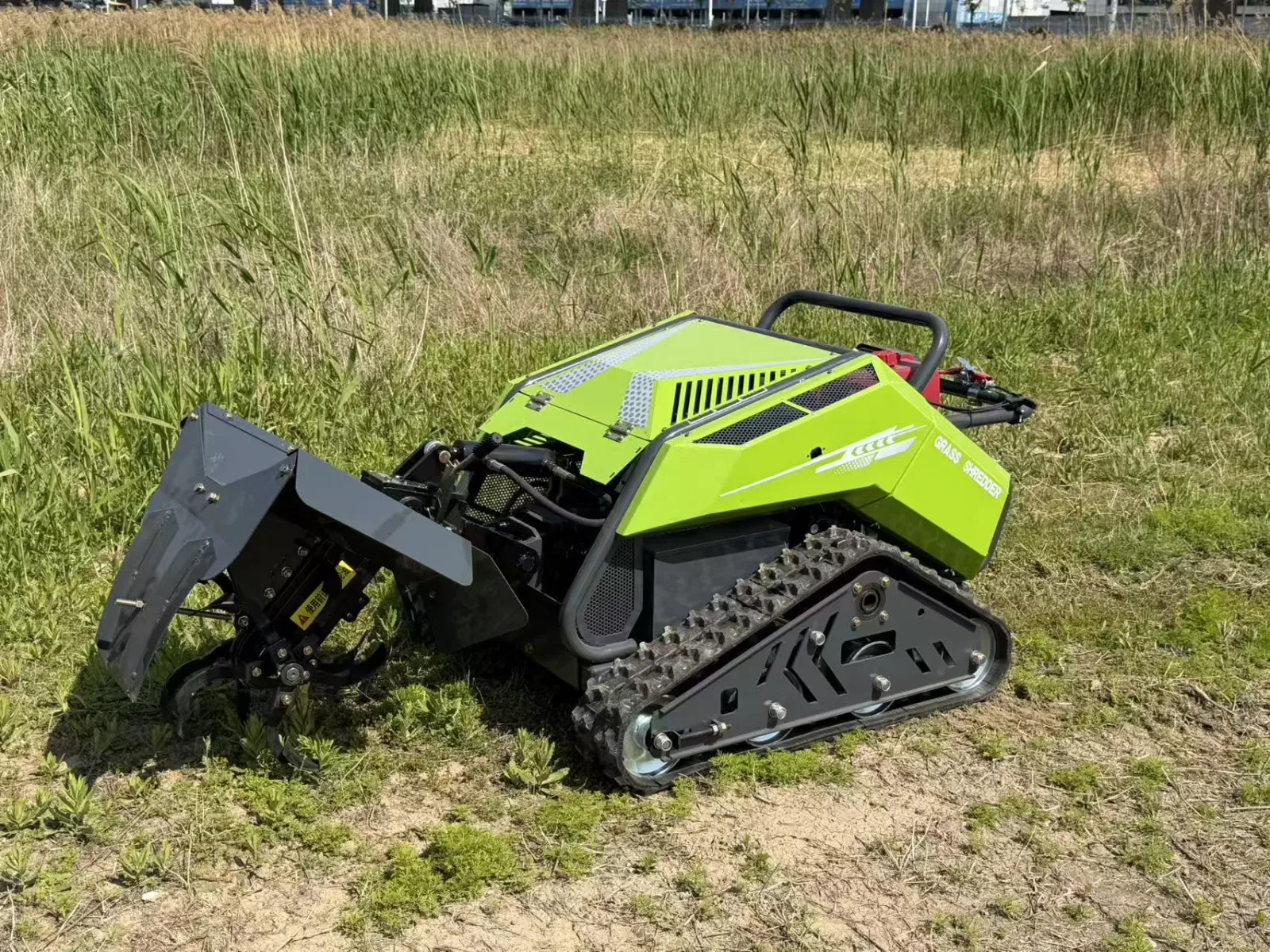
Working-condition lens
Application routes
Each route begins with a site problem and ends with a record to verify—not an automatic product recommendation.
Start with the ground profile, surface condition, obstacles and verified limits of the exact configuration.
Chassis format → operating recordDescribe vegetation, density, debris risk, repeat-work frequency and the required finish.
Cutting system → approved material scopeRecord row spacing, tree protection, turning area, transport route and service access.
Machine envelope → work routePlan access control, bystander separation, edge conditions and debris management before equipment selection.
Site control → operating boundaryIdentify the base platform, interface and model-specific attachment compatibility before changeover planning.
Platform → approved attachmentInclude operator handover, daily checks, transport, wear parts and current service documents.
Handover record → support planSelection inputs
Use this matrix to prepare a complete brief before discussing a model or configuration.
| Input group | Record from the site | Review it informs |
|---|---|---|
| Terrain | Profile, surface condition and observed transitions | Platform and operating-limit review |
| Vegetation | Type, density, debris and desired result | Cutting-system and material-scope review |
| Access | Entry width, turning space, obstacles and transport route | Machine-envelope and logistics review |
| Site control | Bystanders, animals, visibility and work-zone separation | Safety procedure and use-boundary review |
| Market | Destination, language and required document set | Compliance and document-scope review |
| Service | Operating frequency, handover, wear parts and maintenance access | Support and resource review |
Condition-to-model flow
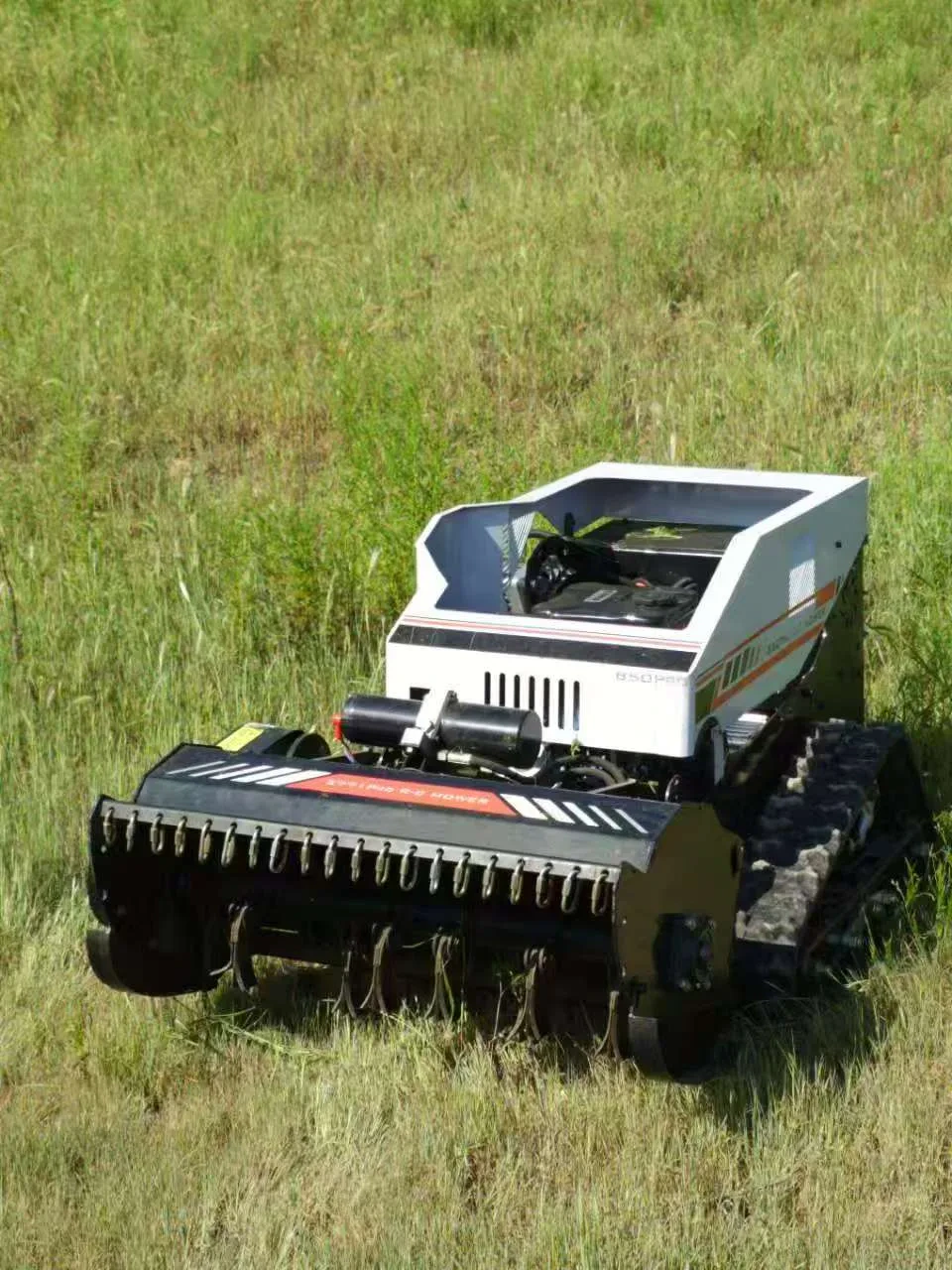
Field evidence & boundary
Visible terrain, vegetation and machine structure can support the selection discussion. They do not establish a maximum slope, productivity figure or universal material capability.
Application consultation
Share terrain, vegetation, access, site controls and target market so the product discussion starts with the actual work.