

 By Anna
A refueling handoff fails when the outgoing operator knows the machine, the fuel can and the site rules, but the incoming operator receives only a key and a fuel level. For commercial remote-mower fleets, rental handovers and dealer deliveries, lawn mower gasoline refueling safety depends on one moment: when fuel identity, engine state, work-area controls and named responsibility are confirmed together.
Refueling safety is a handoff task, not a single instruction. Confirm the exact model and its manual, identify the fuel actually approved for that unit, establish the site's refueling controls, and record who checked what. No universal cooling time, can type or refueling procedure applies across machines or sites.
Lawn mower gasoline refueling safety: Identify the fuel-powered unit and the approved fuel

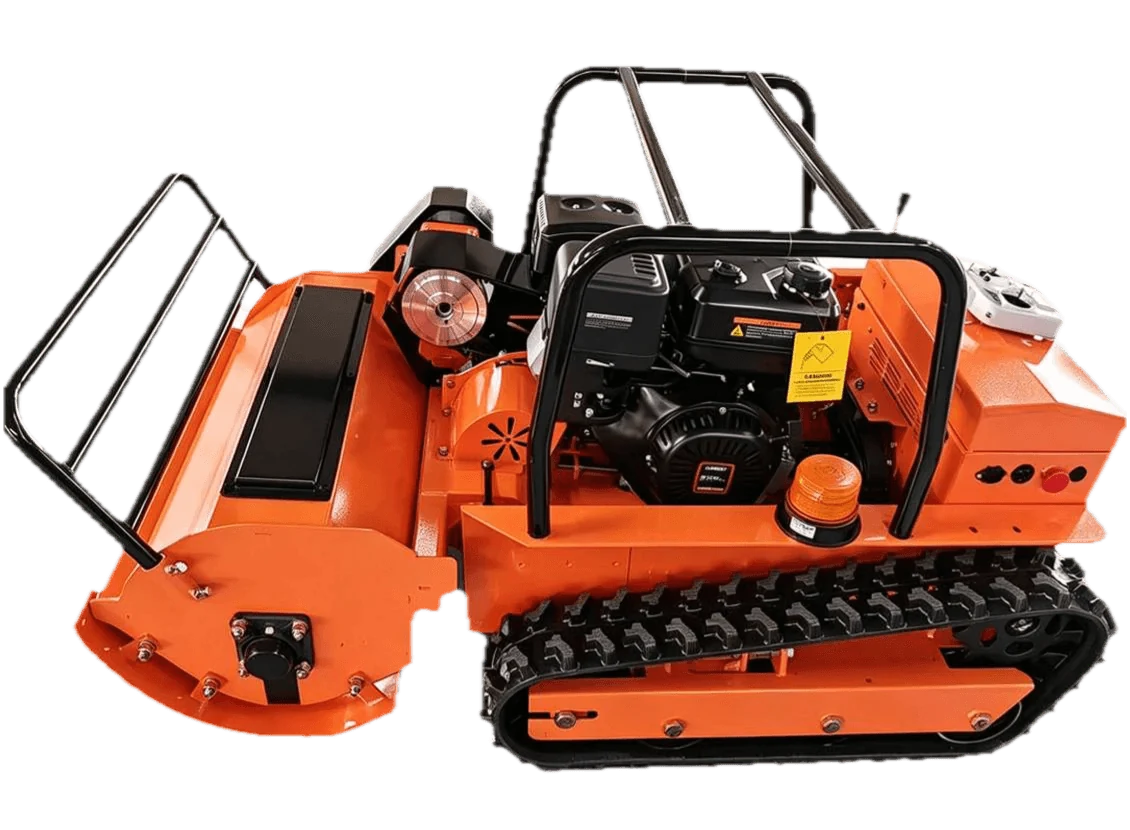
The first handoff question is not "how much fuel does it need?" but "which unit is this, and what fuel does its own documentation approve?" A fleet supervisor, rental handover clerk or dealer should be able to match the machine in front of them to a model designation, a manual revision and a fuel specification before any can is opened. Super Mowers lists gasoline remote-controlled mowing equipment in its product catalogue, but this article does not assume a particular filler location, tank size, fuel capacity or hybrid structure for any model. Those details belong to the delivered manual and the machine itself.
Start with identity. Record the model name and number as marked on the machine, the serial or fleet number, and the manual revision held for that unit. If the manual on file is for a different model or an older revision, treat the fuel instruction as unconfirmed until the correct document is located. This matters because refueling guidance is written for a specific engine, fuel system and control arrangement; a manual for one remote mower does not transfer to another.
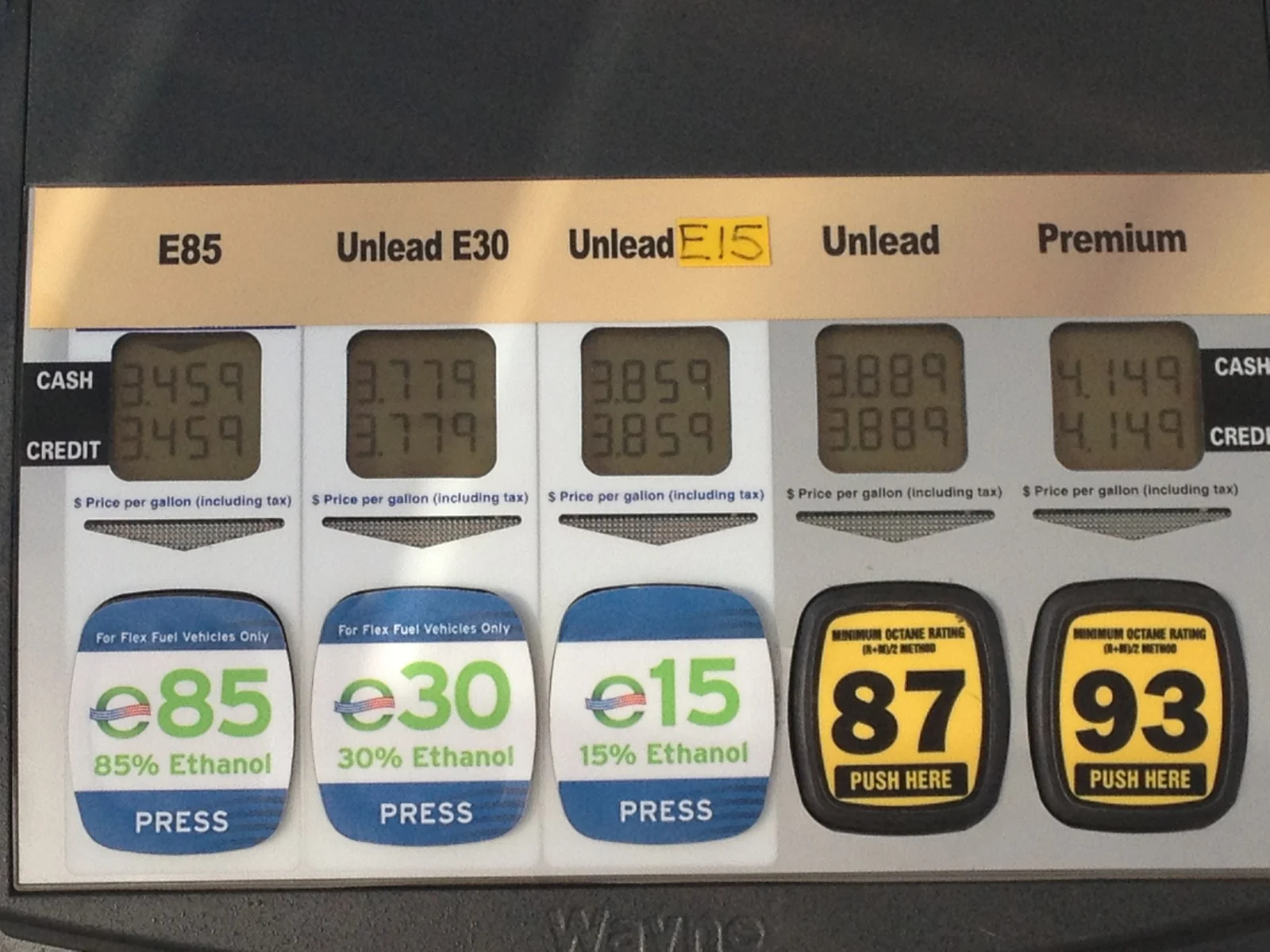
Next, separate fuel identity from fuel grade. Fuel identity means what the machine is designed to burn and what the site has approved for it. Fuel grade, such as an octane rating, is a narrower property. A grade label on a pump does not by itself tell a crew whether the site permits that fuel, whether it is the specified type, or how the transfer should be controlled. Our separate article on ethanol-free gasoline for a remote mower fleet discusses fuel selection; this article stays with the transfer and handoff stage.
A practical identification check before refueling:
| Item to confirm | Where the answer should come from | What to do if it is missing |
|---|---|---|
| Exact model and serial/fleet number | Machine plate or label, fleet register | Do not refuel until the unit is identified |
| Correct manual and revision for that unit | Delivered manual, dealer record | Hold the handoff and obtain the matching document |
| Fuel type approved for the unit | That model's manual | Treat the fuel as unapproved until confirmed |
| Site-approved fuel and storage arrangement | Site safety plan or responsible site contact | Ask the site before transferring fuel |
| Filler location and tank details | The machine and its manual | Do not guess from another model |
| Who is authorised to refuel | Site rules and company policy | Assign and record a named person |
This table is a verification list, not a procedure. It deliberately leaves filler position, tank capacity and fuel specification blank because those are model-specific facts that must come from the delivered documentation rather than from a general article.
Establish the site and model-specific refueling controls
Once the unit and fuel are identified, the handoff turns to place and control. A commercial site, a rental yard and a dealer forecourt each impose their own refueling arrangements: where fuel may be transferred, what containment is required, which areas are excluded, and who supervises. The machine manual supplies the equipment-side boundaries; the site supplies the location-side rules. Neither replaces the other, and a crew should not assume that a practice accepted at one site is accepted at the next.
Canadian workplace guidance for riding mowers from CCOHS includes refueling within its scope, which is a useful reminder that refueling is treated as part of mower operation rather than a separate maintenance chore. Texas Department of Insurance lawn-equipment guidance addresses refueling on page 2 of its lawn equipment safety document. These sources indicate the kinds of concerns regulators and trainers raise; they do not set a single procedure for every machine or jurisdiction.
For a remote-controlled unit, the control arrangement adds handoff questions that a ride-on checklist may not cover. The operator stands away from the machine, so the person refueling must know how the unit is immobilised, where the remote is kept during refueling, and how the work area is kept clear. Remote control means the control arrangement described in the evidence; it does not establish autonomous navigation, obstacle detection or unattended operation, and it does not by itself define a safe distance, stopping behaviour or refueling position.
Useful site-and-model questions to settle before the first transfer:
| Question | Why it belongs in the handoff |
|---|---|
| Where does the site permit fuel transfer? | Site rules may restrict location, surface or containment |
| What engine state does the manual require before refueling? | The manual is the equipment-side authority |
| How is the unit secured against movement? | A parked remote mower still needs a defined state |
| Where is the remote control during refueling? | Prevents unintended commands and confusion |
| Who else is in the area, and how is it kept clear? | Refueling and mowing may overlap in time |
| What spill response equipment is available? | Site plan should name it and its location |
| What weather conditions stop transfer? | Site policy and manual may both apply |
| What does the site require after transfer? | Some sites require checks before restart |
Treat every row as a question to confirm, not a rule this article can supply. If the site contact cannot answer a row, record it as unresolved and keep the unit out of refueling until it is settled.
Compare the scope of a named remote-mower manual and historical workplace training

Two supplied sources show why a crew should record the source of any waiting or cooling instruction rather than repeating a number heard on site. The Spider MINI II operation manual, revision dated 2017, includes a refueling section (8.6) for that named model. The OSHA-hosted landscaping training document, a grant-material manual from fiscal year 2009, gives refueling guidance on historical page 13. Both are real documents with a defined scope, and both are narrower than "the rule for all mowers."
The Spider MINI II manual is model-specific. Its refueling section describes requirements for that machine as documented in that revision. It does not establish the instruction for a Super Mowers unit, for another remote mower, or for a later revision of the same model. A crew that copies a timing figure from it onto a different machine has changed the scope of the source without evidence.
Application review
Discuss your mowing application.
Share the working condition, target market, product family and project scope.
The OSHA-hosted training document is historical training material, not current law and not a universal waiting time. It was produced for a training grant programme and hosted by OSHA; that hosting does not make every sentence a regulation or a present-day requirement. Its value in a handoff file is as a documented example of how landscaping trainers have framed refueling risk, not as a substitute for the machine manual or the site's current rules.
| Source | What it covers | What it cannot establish |
|---|---|---|
| Spider MINI II operation manual, 2017 revision, section 8.6 | Refueling requirements for that named model and revision | Instructions for Super Mowers units or other models; later revisions |
| OSHA-hosted landscaping training manual, FY2009, historical page 13 | Historical training guidance on refueling in landscaping work | Current law; a universal waiting time; any specific machine's procedure |
| CCOHS riding-mower guidance | Workplace safety scope that includes refueling | A model-specific procedure or a single national rule |
| Texas Department of Insurance lawn-equipment guidance, page 2 | State safety guidance addressing refueling | A procedure for a particular remote mower model |
| The delivered manual for the actual unit | The equipment-side instruction for that machine | Site location rules, which come from the site |
The practical lesson for a fleet supervisor or rental handover clerk is to write the source next to the instruction. "Cool before refueling" is a statement; "cool before refueling, per model X manual revision Y, section Z" is a record that can be checked, corrected and audited. If a crew member quotes a waiting period, the handoff sheet should show where it came from. If no source can be produced, the figure should be marked unconfirmed rather than adopted as fleet practice.
This comparison also explains why fuel-safety advice that lists shutdown, cooling and fuel hazards, such as the Exmark fuel safety tips, is useful as a topic checklist but not as a procedure. It tells a supervisor which subjects to cover in a handoff; it does not tell them what their machine's manual requires or what their site permits.
Record responsibility and unresolved site questions

A refueling handoff is only as good as its record. The record should show who handed over the unit, who accepted it, which model and manual were checked, which fuel was approved, which site rules applied, and which questions remained open. This is not bureaucracy for its own sake: when a rental unit returns with a fuel concern, or a site asks why a particular practice was followed, the record is the only reliable account.
Responsibility should be named, not implied. In many fleets the outgoing operator, the incoming operator, the site safety contact and the fleet supervisor each hold part of the answer. A simple responsibility matrix keeps the handoff honest:
| Handoff item | Outgoing operator | Incoming operator | Site safety contact | Fleet supervisor / dealer |
|---|---|---|---|---|
| Confirm model, serial and manual revision | Provides machine and manual | Checks against the unit | — | Maintains the manual register |
| Confirm approved fuel | Reports what was used | Verifies against the manual | Confirms site-approved fuel | Resolves conflicts |
| Confirm refueling location and controls | Reports last known site arrangement | Checks current site rules | States the site requirement | Records the agreed arrangement |
| Confirm engine state before transfer | Reports shutdown state | Verifies before refueling | — | Confirms manual requirement is known |
| Record unresolved questions | Raises them | Raises them | Answers or escalates | Owns closure before next use |
| Record the handoff | Signs or logs | Signs or logs | Acknowledges where required | Reviews the log |
A workable handoff record can be short. It needs the date and time, the unit identity, the manual revision consulted, the fuel approved, the site rule reference, the named people, and a list of open questions with an owner and a due point. Photographs of the machine label and the manual section can support the record without replacing it. The record should also note any deviation and who authorised it, because an undocumented exception is indistinguishable from an error later.
Unresolved questions deserve particular attention. Common examples include a site that has not stated where fuel may be transferred, a rental unit delivered without its manual, a fuel can whose contents are not labelled, or a crew that has been told a cooling period but cannot say where the figure came from. Each of these should be written down and escalated to the person who can close it, not smoothed over at the start of a shift.
FAQ

Do all remote mowers use gasoline? No. Remote-controlled mowers are a control category, not a fuel category. Some units are gasoline-powered, and others may use different power systems. The handoff should identify the actual unit and its power source from the machine and its manual rather than assuming gasoline because a mower is remote-controlled. Super Mowers lists gasoline remote-controlled equipment in its catalogue, but that does not make gasoline universal across the category.
Does fuel grade determine the refueling safety procedure? No. Fuel grade is one property of the fuel; the refueling procedure depends on the machine's manual, the fuel type approved for it, the site's rules and the local requirements that apply. A correct octane number does not confirm that the fuel is the approved type, that the transfer location is permitted, or that the engine state is correct. Confirm fuel identity and site controls separately from grade.
Which requirements apply at a commercial site? The delivered manual for the exact model supplies the equipment-side requirements. The site's safety plan, the operator's employer and the local jurisdiction supply the location-side requirements. These can differ between sites and change over time, so the handoff should record the specific documents and people relied on. This article cannot state a universal commercial-site rule, and a historical training document or a named-model manual should not be presented as one.
Conclusion

Refueling handoffs work when the unit, manual, fuel and site rules are confirmed together and responsibility is named. Before the next transfer, check the delivered manual for the exact model and record any open site question.