
 By Anna
You are comparing gasoline commercial mowers, and one quote lists electronic fuel injection while another lists a carburetor. Before you treat that as the deciding difference, you need to know which engine and fuel system each quote actually describes, what service support each one needs, and what your own operating records show.
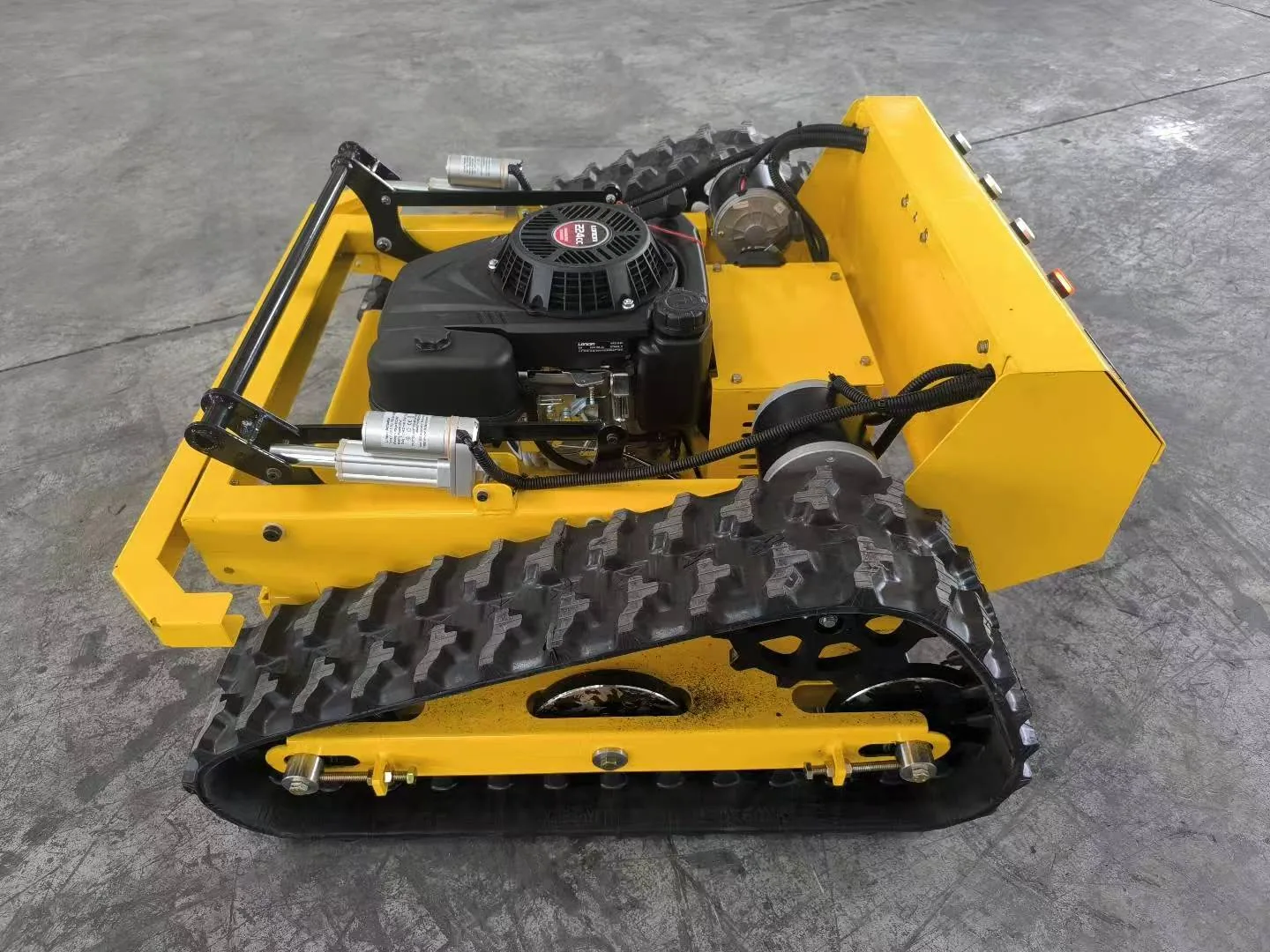
The fuel injection vs carburetor lawn mower question has no single winner: these are two ways of delivering fuel to a gasoline engine, and neither label alone tells you which mower will cost less or run better on your sites. Compare the exact engine model, the full configuration, the dealer’s diagnostic and parts support, and your own fuel and downtime data — not the fuel-system name by itself.
That answer is deliberately cautious, because most of the numbers circulating around this comparison come from unmatched machines, historical tests, or marketing summaries. This guide shows how to read those claims without over-crediting them, using one documented paired-engine example as an illustration rather than as a prediction for your fleet.
Fuel injection vs carburetor lawn mower: Identify the actual engine and fuel system

The first job is to stop comparing categories and start comparing specific engines. “EFI mower” and “carburetor mower” are not specifications. A quotation should name the engine manufacturer, the engine model, the displacement, the fuel system, and any related control hardware. If a quote says only “EFI” or only “commercial-grade engine,” you do not yet have enough to compare.
Ask for the engine model exactly as it appears on the engine label or in the manufacturer’s documentation, then check that the same identifier appears in the operator’s manual and the parts list. Model families often contain several variants, and a fuel-system change can sit inside a family name. A brochure that describes the family is not proof of the variant on your quote.
Also identify what else changes with the fuel system. Fuel injection on a small gasoline engine usually brings electronic control of fuel delivery, and often electronic governing or throttle control as well. That means the machine may include sensors, an electronic control unit, a fuel pump, and different wiring. Those components affect diagnostics, spare parts, technician training, and how a fault is reported. None of that is visible from the words “fuel injection” on a spec sheet.
For a fleet buyer, the practical output of this step is a configuration record per quoted machine:
| Item to record | Why it matters | Where to confirm it |
|---|---|---|
| Engine manufacturer and exact model | Prevents comparing different engine families | Engine label, engine manual, written quote |
| Fuel system type as stated by the engine maker | Distinguishes carburetor from EFI without inference | Engine specification sheet |
| Governor/throttle control type | May change with the fuel system and affects behaviour and diagnostics | Engine documentation, dealer confirmation |
| Emissions or market variant | Same family name can cover different configurations by market | Engine documentation for the destination market |
| Fuel pump, ECU, sensor part numbers | Determines parts stock and lead-time questions | Parts list supplied with the quote |
| Diagnostic tool and access method | Affects who can service the machine and how quickly | Dealer service statement |
| Mower model, deck, and attachments | Fuel system is only one variable in the whole machine | Mower specification and quote |
If any row is blank, mark it as a question to confirm rather than filling it with an assumption. A blank row is useful information: it tells you where the quote is thin.
Keep gasoline comparisons separate from diesel
A common error is to fold diesel into the same discussion. Diesel engines use compression ignition and a different fuel-delivery architecture, and their maintenance, fuel handling, and emissions equipment differ from gasoline engines. Advice about diesel fuel systems does not transfer to a gasoline EFI versus carburetor decision.
If your fleet also runs diesel machines, treat that as a separate comparison. Super Mowers has a related discussion of gasoline and diesel remote-control mowers at Gasoline vs diesel remote control mowers, which is the right place to start that question. Keep the gasoline fuel-system question in its own column of your evaluation, with its own evidence.
Read a documented paired-engine example
A useful way to understand what a fair comparison looks like is to read a documented case where two versions of the same engine were described side by side. Kawasaki published a technical paper describing an FX850V-EFI engine alongside a carbureted FX850V version. The paper is a historical technical document from Kawasaki’s own research magazine, available at Kawasaki’s technical magazine PDF, and Kawasaki also maintains a general EFI technology page at kawasakienginesusa.com/engines/efi-technology.
Kawasaki FX850V-EFI and FX850V share a block but differ in governor control; cite the historical source
The value of this example is what it shows about comparison design, not what it promises about your mower. The two versions share a common engine block and displacement, which removes some variables. But they are not identical machines with only a fuel nozzle swapped. The EFI version also uses electronic governor control, so the difference between the two versions includes both fuel delivery and speed/throttle regulation.
That matters for interpretation. If a document reports a difference in fuel use, response, or emissions between the two versions, you cannot attribute the whole difference to fuel injection alone. Some of it may come from electronic governing, from the calibration chosen for that application, or from the test conditions. The paper is a historical technical description of specific engine versions; it is not a test of the mower you are quoting, and it does not establish a fuel-saving percentage for your sites.
Use the example for three lessons:
- Ask whether the comparison is paired. Two versions of the same block are more informative than two unrelated engines, but only if you know every difference between them.
- Separate the subsystems. Fuel delivery, governing, ignition, and exhaust after-treatment can each change. A claim that credits all of a difference to “EFI” is incomplete unless the other changes are held constant or disclosed.
- Check the date and context. A historical technical paper describes engines and conditions of its time. It is evidence about those versions, not a current market promise.
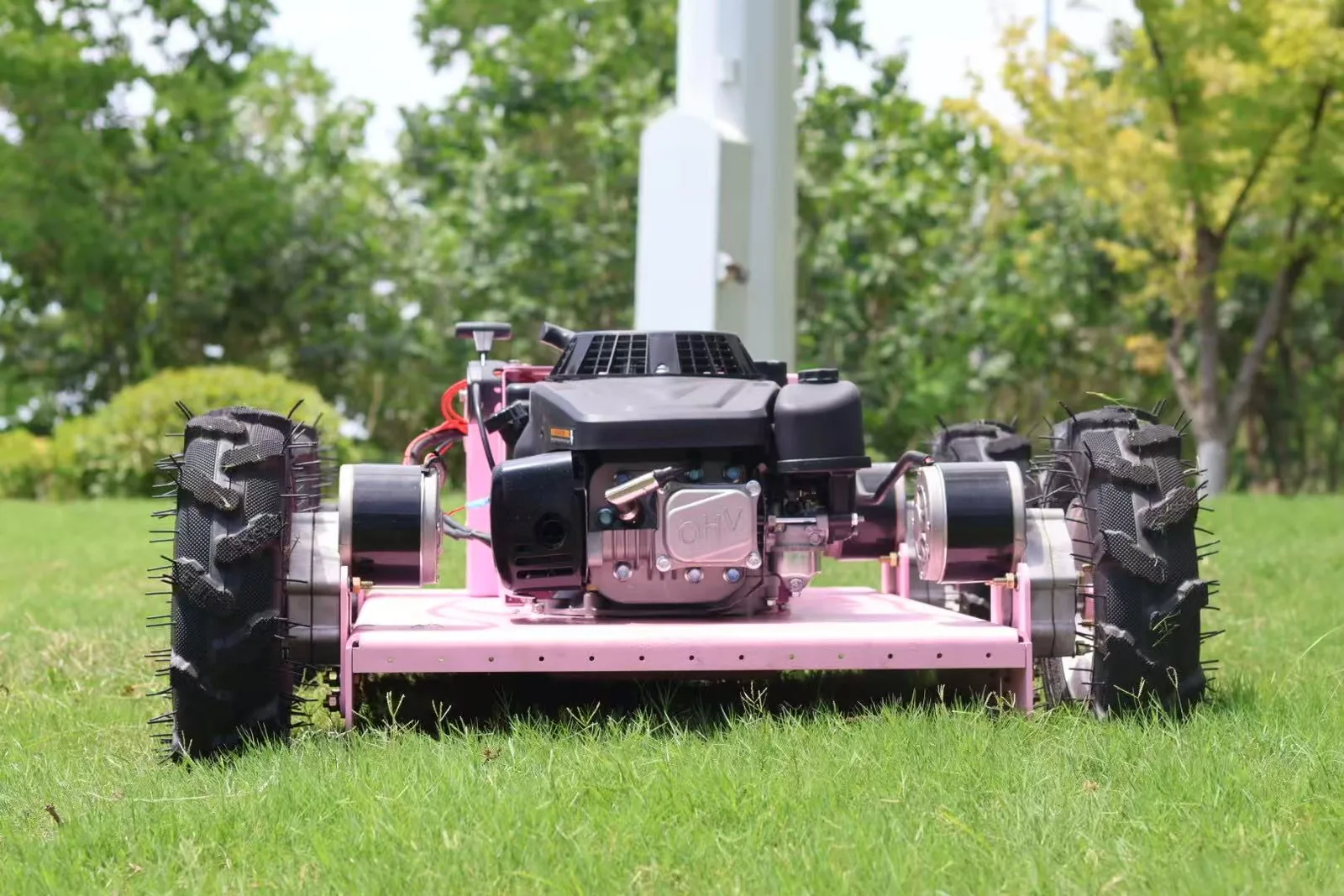
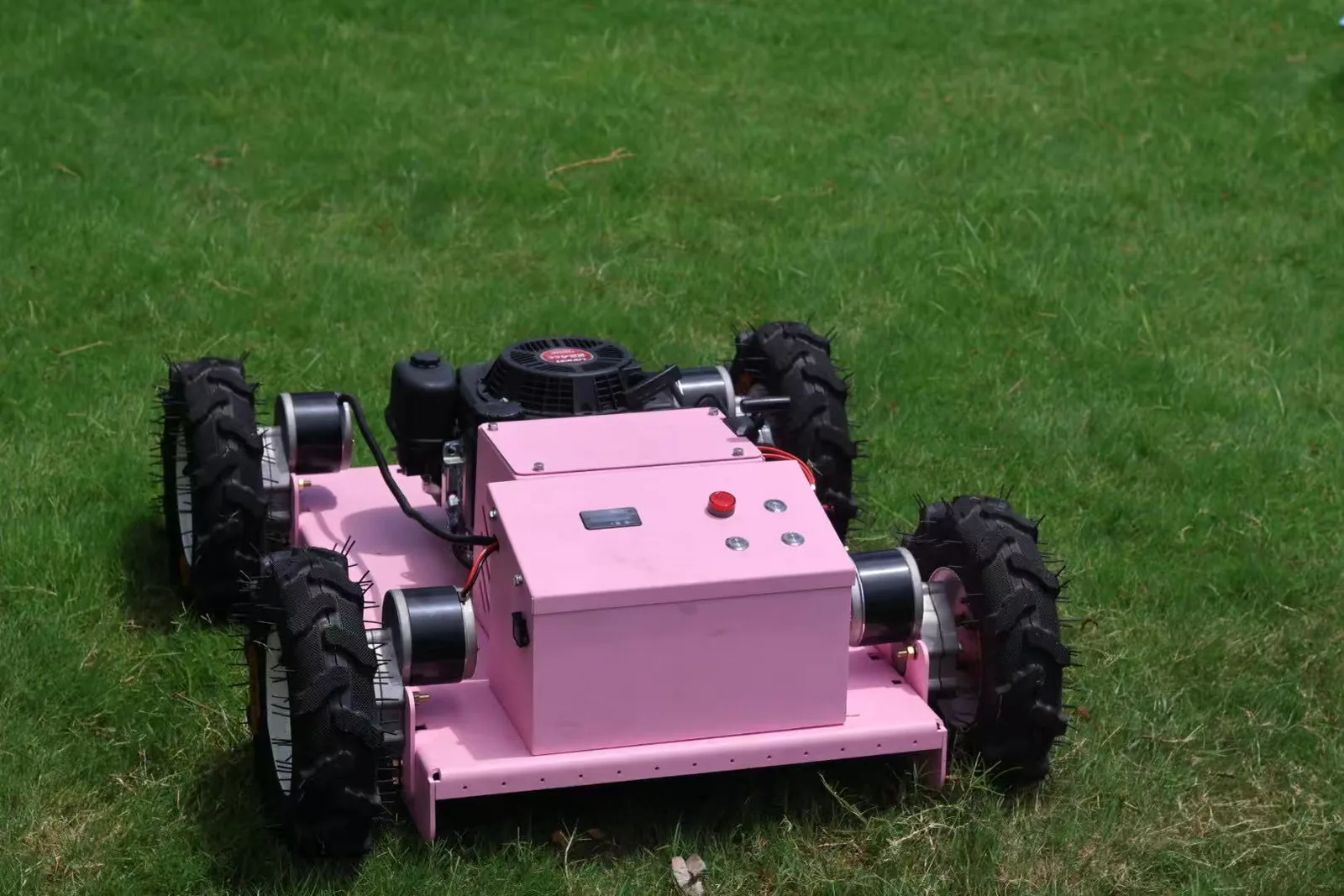
This example does not describe any Super Mowers machine. The Super Mowers catalogue at supermowers.com/products/ includes gasoline-powered remote-control mowing equipment, but this article has no verified information that a specific Super Mowers model is offered with EFI, or that EFI and carburetor versions can be selected for the same model. Treat that as a question for the supplier, in writing.
Separate fuel-system claims from other design changes

When a dealer or article claims that EFI saves fuel, starts better, or reduces maintenance, the claim usually bundles several changes together. Your job is to unpack it. A fuel-system claim is only usable if you can see what was compared, on what machine, under what conditions, and whether anything else changed at the same time.
Start with the machine. A different engine in the same mower model is not the same as the same engine with a different fuel system. Deck size, blade condition, grass type and height, ground conditions, operator behaviour, and route all affect fuel use and productivity. A fleet that moves from an older carbureted machine to a newer EFI machine has changed age, wear, engine design, and fuel system at once.
Then look at the claim’s source type. Industry articles, such as the Green Industry Pros discussion of why a commercial mower might use an EFI engine at greenindustrypros.com, can explain the reasoning behind EFI adoption. A break-even calculator, such as the one at kutterpower.com, can show how a payback model is structured. Neither is a measurement of your fleet. A forum thread, such as the Reddit discussion at reddit.com/r/lawnmowers, can surface owner experiences and service questions, but it is anecdote, not a controlled comparison.
Application review
Discuss your mowing application.
Share the working condition, target market, product family and project scope.
Do not infer universal savings from an unmatched or historical comparison
A single comparison, especially a historical one or one between unmatched machines, cannot support a general rule such as “EFI always saves fuel” or “EFI always pays back in a set number of hours.” The honest conclusion from the available material is narrower: EFI can change fuel delivery and control in ways that may affect consumption and running behaviour, and the size of any effect depends on the engine, the application, and how the machine is used.
For fleet decisions, replace the general rule with a local test plan:
| Question | Evidence to collect | What it does not prove |
|---|---|---|
| Does EFI change fuel use on our routes? | Fuel logs by machine, hours, and task over a defined period | A saving for other sites or other engines |
| Does it change downtime? | Repair tickets, fault codes, days off-hire | Long-term reliability of the model |
| Does it change operator workload? | Operator reports on starting, response, and refuelling | Safety or performance limits |
| Does it change service cost? | Parts invoices, technician hours, diagnostic charges | A payback period for a different fleet |
| Is the comparison fair? | Same deck, same tasks, similar machine age | Causation from fuel system alone |
Record the conditions alongside the numbers. A fuel log without hours, task type, and season is hard to interpret later, and a repair log without fault descriptions will not tell you whether the fuel system or something else was involved.
Compare service support and actual quotes

For a fleet, the service question often matters more than the fuel-system label. EFI adds electronic components that may require diagnostic tools, software access, and trained technicians. A carburetor is a mechanical fuel-delivery device with a long service tradition, but it still needs correct adjustment, clean fuel, and appropriate parts. Neither system is maintenance-free, and neither is automatically cheaper to support in your area.
Ask each dealer the same questions and compare the answers in writing:
- Who can diagnose an EFI fault locally, with what tool, and at what cost?
- Are diagnostic software subscriptions, cables, or access codes required, and who holds them?
- Which fuel-system parts are stocked locally, and which are ordered per job?
- What is the stated lead time for a fuel pump, ECU, sensor, or carburetor assembly?
- What training or certification does the technician hold for this engine family?
- What does the operator manual say about fuel quality, storage, and pre-work checks?
- What warranty terms apply to the fuel system, and who performs the work?
Do not accept “our technicians handle everything” as an answer. Ask for the specific tool and the specific person or service centre. If the dealer cannot name them, treat diagnostic support as unconfirmed.
Record diagnostic tools, parts, prices and missing evidence without promising payback
A quotation comparison should be a document you can defend later. Build a simple matrix per quoted machine and keep the source for each figure. Where a figure is missing, write “to confirm” rather than estimating.
| Comparison field | Carburetor option | EFI option | Source or status |
|---|---|---|---|
| Engine model and displacement | From quote | From quote | Written quote |
| Fuel system and governor control | Confirm | Confirm | Engine documentation |
| Machine price | From quote | From quote | Written quote |
| Diagnostic tool requirement | Confirm | Confirm | Dealer statement |
| Local parts stock for fuel system | Confirm | Confirm | Dealer statement |
| Typical lead time for key parts | Confirm | Confirm | Dealer statement |
| Technician training for this engine | Confirm | Confirm | Dealer statement |
| Fuel log plan and baseline | Your records | Your records | Fleet data |
| Downtime baseline | Your records | Your records | Fleet data |
| Warranty terms for fuel system | From quote | From quote | Written quote |
This matrix does not produce a payback figure, and it should not be presented as one. It produces a defensible comparison of what you know, what you do not know, and who is responsible for each answer. If a supplier offers a payback estimate, ask for the assumptions behind it: hours per year, fuel price, baseline consumption, and the machine the baseline came from. Then decide whether those assumptions match your operation.
A useful discipline is to separate three decisions: whether the machine fits the site, whether the engine configuration fits the maintenance plan, and whether the commercial terms fit the budget. Fuel system type belongs mainly to the second decision. It should not be allowed to override a poor site fit or unclear service support.
FAQ
Does every gasoline mower use a carburetor?
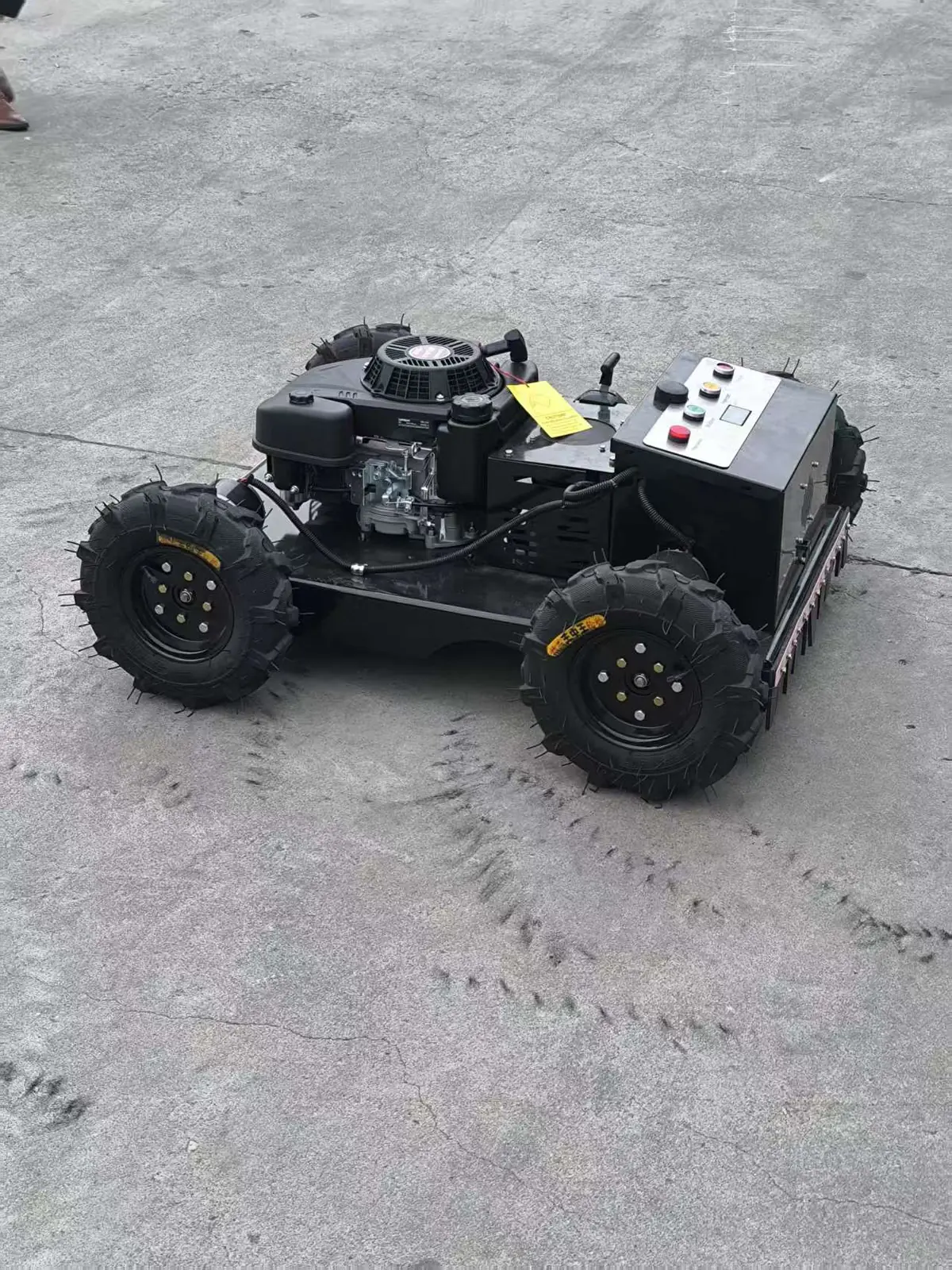
No. Gasoline mower engines can use either a carburetor or electronic fuel injection, and the exact system depends on the engine model. The only reliable way to know is to check the engine manufacturer’s specification for the specific engine on the machine, not the mower’s general marketing description.
Does EFI remove all engine maintenance?
No. EFI changes fuel delivery and may add electronic components, but the engine still needs routine maintenance such as oil, filters, cooling, and inspection according to its manual. EFI can also introduce its own service needs, including diagnostic tools and electronic parts. Ask the dealer what EFI-specific service is required and who can perform it.
Can a buyer assume a fixed fuel saving?
No. A fixed saving cannot be assumed from the fuel-system label alone. Any saving depends on the engine, the machine, the task, the conditions, and how the equipment is used. Use your own fuel and hours records, or a controlled comparison, before treating a saving as a planning figure.
Conclusion
Compare the exact engine, the full configuration, and the dealer’s service capability before the fuel-system label. Then test the claim against your own fuel and downtime records. Ask each supplier for the missing evidence in writing.
Video: WRIGHT | EFI vs. CARB Engines
