
 By Anna
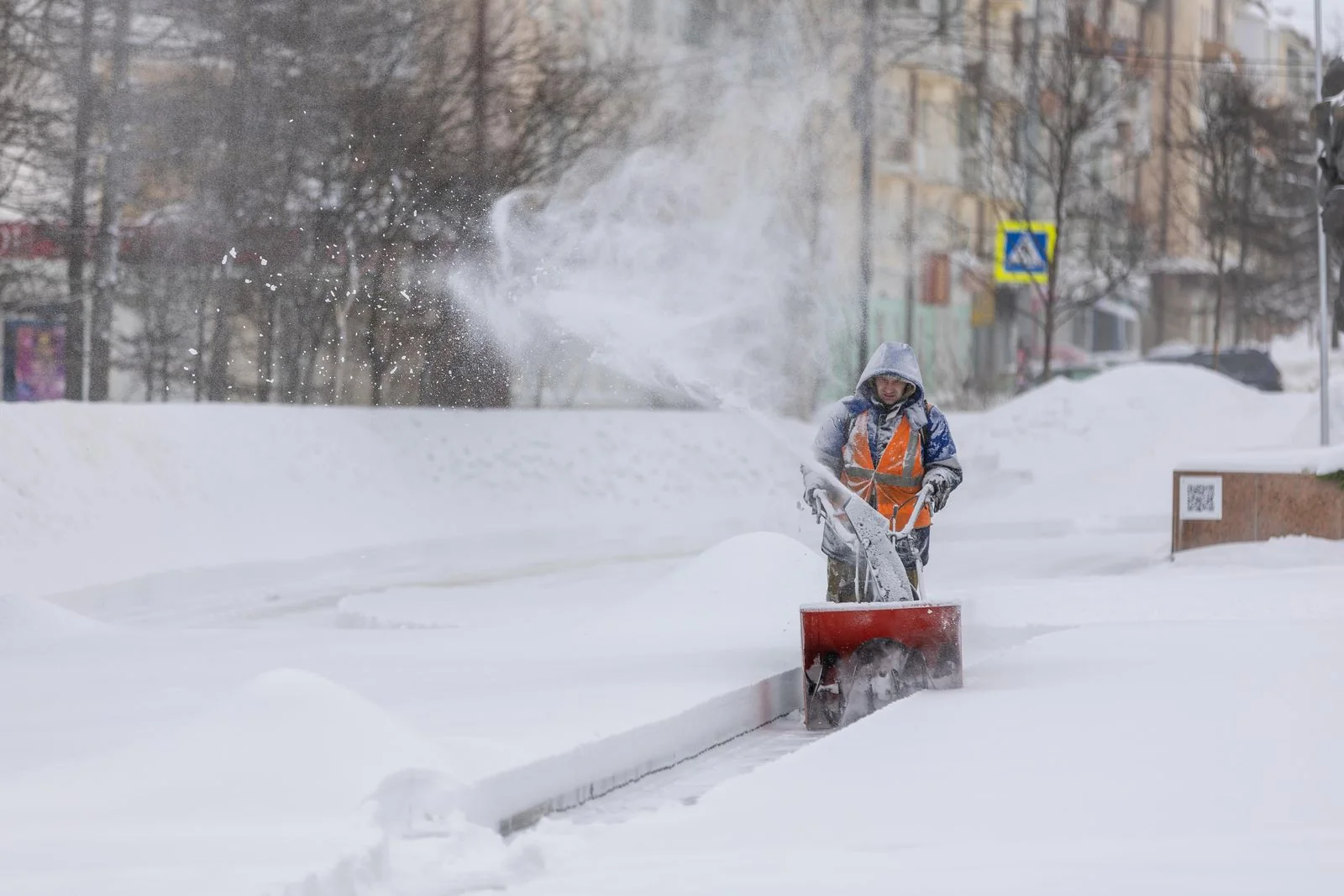
You are pricing or replacing snow equipment for a fixed commercial route, and the battery vs gas snow blower commercial question keeps collapsing into a runtime number from a product page. That number tells you very little about your route. The useful comparison starts with the same route, the same snow workload, and the same work window, then asks how each energy source is actually supplied, stored, and supported through a winter season.
Compare battery and gas snow blowers by matching both options to one documented route: segment widths, access, snow conditions, shift length, charging or refueling logistics, transport, spares, and the exact model documentation. Treat advertised runtime, cold-weather performance, and price as values to confirm, not as guarantees.
This guide is written for commercial snow contractors, property equipment buyers, and distributors building a comparison record. It does not claim that any particular machine will clear a particular route. It gives you a structure for asking suppliers the same questions and recording what is documented versus what is still unknown.
Battery vs gas snow blower commercial: Define the same route and snow workload

A fair battery-versus-gas comparison needs one shared description of the work. If one supplier quotes against a clean, open parking lot and another against narrow sidewalks with parked cars, you are comparing two different jobs, not two energy sources. Write the route down before you talk to anyone.
Record segment widths, access and actual work window
Break the route into segments and describe each one in the same terms for every supplier. Useful fields include the cleared width needed, surface type, gates and doorways, curb cuts, parked vehicles, overhangs, and where snow can be thrown or piled. Access matters as much as width: a machine that fits a path but cannot turn around at the end of it creates a different job.
The work window is the other half of the workload. Record when clearing must be finished, how often the route is typically serviced during a storm, and whether the same crew handles several sites in one shift. A route that must be reopened repeatedly during a long storm places different demands on energy supply than a single pass after snow stops. Note the snow types you actually expect, because wet, heavy snow and dry, blown snow behave differently, and a supplier’s claim should be tied to the conditions it was made for.
Also record the staging point: where equipment is kept, where it is loaded, and whether power or fuel is available there. This single detail often decides which energy source is practical, long before machine performance is discussed.
Separate machine stage and remote control from power source
Power source is one design decision among several. A snow blower also has a clearing stage (for example, single-stage or two-stage designs), a drive arrangement, a control method, and a set of attachments. Remote-controlled equipment is a control arrangement: an operator directs the machine from a distance. That says nothing by itself about whether the machine runs on a battery or on fuel, and it establishes no working distance, stopping behavior, slope capability, or suitability for a given route.
Keep these dimensions separate in your notes. A remote-controlled machine and a walk-behind machine can share the same energy source, and two battery machines can differ completely in stage and control. If your route has areas where an operator should stand apart from the clearing action, that is a control and site-planning question to raise with the supplier and the responsible safety lead, not a reason to assume one power source is better.
Super Mowers‘ own product line includes remote-controlled snow equipment, which is why this guide keeps control method distinct from energy source. This article does not claim that Super Mowers sells battery-powered snow blowers, and competing models are referenced only to explain what commercial buyers should compare.
Compare winter energy logistics

Energy logistics is where battery and gas options diverge most for commercial work. The question is not which energy source is better in general; it is which one your route, staging point, crew pattern, and winter climate can actually support shift after shift.
Document battery packs, charging and supplier test conditions
For a battery option, ask for the exact pack configuration, the number of packs supplied with the machine, the charger type, and the charging time stated in the product documentation. Ask how packs are meant to be swapped and stored between jobs, and whether the supplier provides written guidance for cold-weather storage and charging. Battery storage and charging rules should come from the specific product’s instructions, not from a generic article or from experience with a different machine.
Then examine the runtime claim itself. A runtime figure is meaningful only with its test conditions: snow type and depth, discharge distance, surface, temperature, stage setting, and whether the figure refers to one pack or a set. If the supplier cannot state those conditions, record the runtime as unverified. A figure measured in light snow on a smooth surface is not a route guarantee for wet snow on uneven pavement.
For fleet planning, the practical question is replacement rhythm: how many packs are needed to keep the route moving while one set charges, and where charging happens. Industry discussion of commercial winter fleets has highlighted charging and energy management as an operational planning issue, which supports treating charging as a logistics task rather than an afterthought.
Document permitted fuel, refueling and service requirements
For a gas option, ask which fuel the manual specifies, how the machine is refueled on site, and where fuel is stored between jobs. Refueling location, ventilation, spill control, and storage rules are site and jurisdiction questions; confirm them with the responsible facility or safety lead rather than assuming a practice carries over from another machine or another site.
Ask for the engine service schedule in the supplied manual, the specified oil and spark plug, and the winter preparation steps the manufacturer requires. Gas equipment also brings a set of seasonal tasks: fuel aging, starting procedure after storage, and engine maintenance. These are documented tasks, not optional extras, and they consume crew time that should appear in your comparison.
A frequent source of confusion is the electric starter. A gas snow blower with an electric starter still runs on fuel; the starter battery cranks the engine. It is not a battery-powered machine, and its runtime is governed by fuel, not by a traction battery.
| Comparison point | Battery option: what to document | Gas option: what to document |
|---|---|---|
| Energy supply on site | Charging location, circuit capacity, pack count | Fuel type, storage location, refueling arrangement |
| Shift continuity | Pack swap plan and recharge time from the manual | Fuel capacity and refill plan from the manual |
| Cold-weather guidance | Storage and charging instructions for the exact pack | Cold-start and fuel handling instructions for the exact engine |
| Routine upkeep | Pack inspection and charger care per documentation | Engine service schedule, oil, plug, seasonal preparation |
| Claim to verify | Runtime with stated test conditions | Fuel consumption with stated operating conditions |
| Typical open question | Real runtime on your snow type and route | Real fuel use across your shift pattern |
Evaluate support and practical constraints
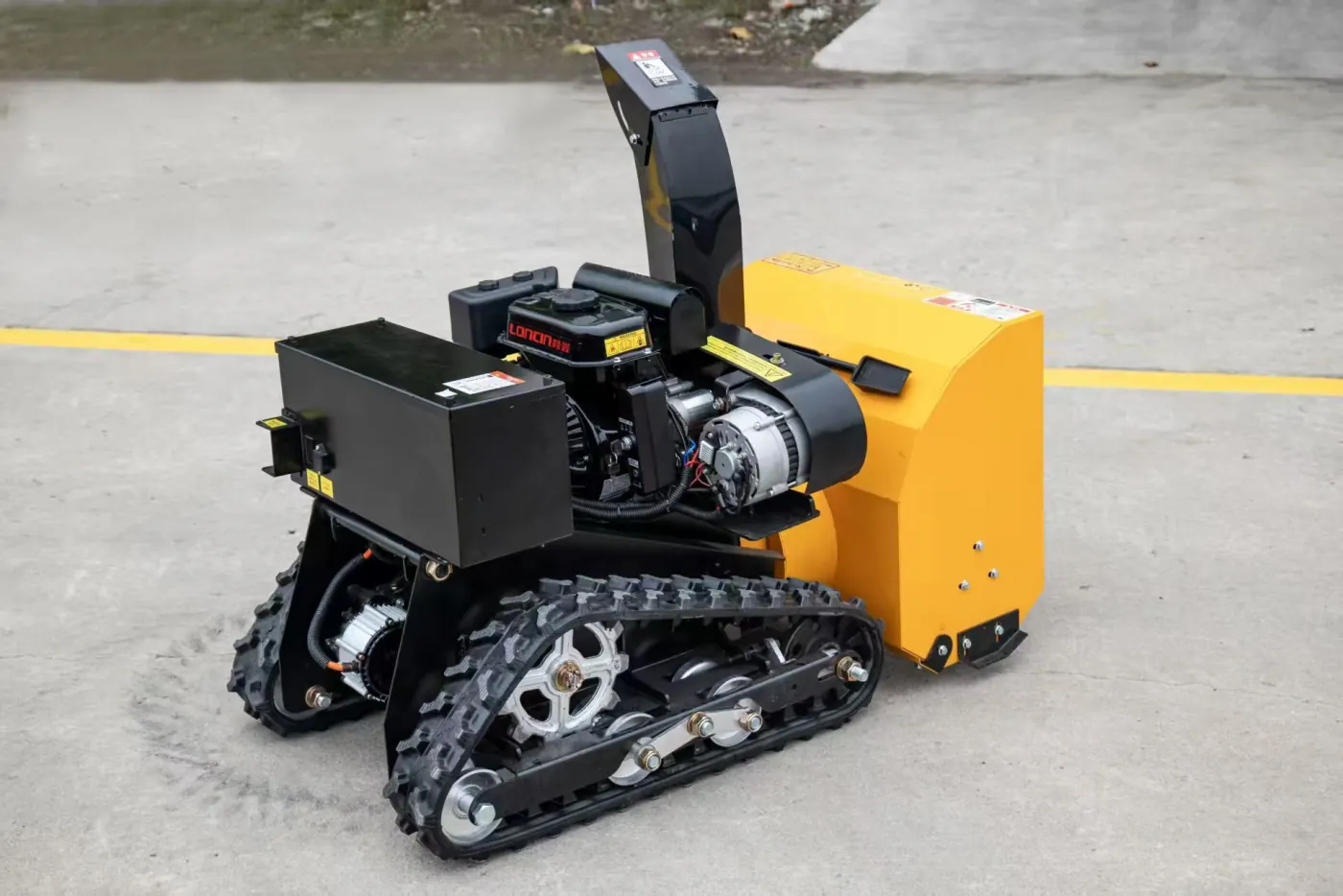
Beyond energy, a commercial buyer has to live with the machine: moving it, storing it, repairing it, and training people to use it. These constraints often decide a purchase more than the headline power source does.
Application review
Discuss your mowing application.
Share the working condition, target market, product family and project scope.
Ask about weight, transport, spares and operator documentation
Request the machine’s weight and dimensions from the supplier’s documentation, and check them against your transport: trailer ramps, lift gates, doorway widths, and storage space. Weight also affects how crews move equipment between sites and how much manual handling is involved. Do not estimate these figures from photographs.
Ask which consumable and wear parts are specified, how they are identified in the parts documentation, and what the expected lead time is for replacements in your region. For battery machines, ask about pack and charger availability as service parts. For gas machines, ask about engine service parts. A machine with no local parts path becomes a scheduling risk in the middle of a storm cycle.
Operator documentation matters for both options. Ask for the operator’s manual, the safety instructions, and any training material the supplier provides. Confirm who in your organization is responsible for training and for authorizing who operates which machine. This guide does not set operating rules; the exact model’s manual and your organization’s safety procedures do.
Do not extrapolate runtimes, prices or cold performance
Three values are routinely stretched in commercial comparisons: runtime, price, and cold-weather behavior. Treat each as model-specific and condition-specific.
- Runtime: a figure from one model, one snow type, or one temperature does not transfer to another machine or another route. Record it with its conditions or mark it unknown.
- Price: purchase price, pack cost, charger cost, fuel cost, and service cost are separate line items. Do not assume a relationship between energy source and total cost without documented figures for the specific models you are considering.
- Cold performance: low-temperature behavior depends on the specific battery system or engine and on the manufacturer’s instructions. Do not assume a universal temperature threshold or a universal cold-weather advantage for either option.
Where a supplier provides a demonstration, note what was demonstrated, on what surface, in what snow, and with which configuration. A demonstration is evidence of that demonstration, not a guarantee for your route.
Create a supplier comparison record

A written record keeps the comparison honest and makes later review possible. Build one row per candidate machine and one column per question, and mark every cell as documented, supplier-stated, or unknown.
List the actual configuration and unknown values
Record the full configuration, not just the power source: model and revision, clearing stage, control method, working width as documented, drive type, attachments, included packs or fuel system, charger or refueling equipment, and the documentation package supplied. Note the source of each figure and its date, because manuals and specifications are revised.
Then list the unknowns explicitly. An honest unknown is more useful than a filled-in guess, especially for runtime, cold-weather limits, and total seasonal cost. Unknowns become the agenda for your next supplier conversation.
| Record field | Entry for each candidate | Status |
|---|---|---|
| Model, revision, document date | Supplier documentation reference | Documented / unknown |
| Power source and energy supply | Battery pack set or fuel type per manual | Documented / unknown |
| Clearing stage and control method | As stated in the manual | Documented / unknown |
| Documented working width | Figure with source | Documented / unknown |
| Runtime or fuel use | Figure with test conditions | Documented / unknown |
| Charging or refueling requirement | Time, location, equipment | Documented / unknown |
| Weight and transport dimensions | Figure with source | Documented / unknown |
| Spares and service path | Parts list reference, local support | Documented / unknown |
| Operator documentation | Manual and training material supplied | Documented / unknown |
| Total seasonal cost | Itemized, with assumptions stated | Documented / unknown |
Plan a representative review under approved conditions
Before committing a fleet, plan a review on a route segment that represents your real work: similar width, surface, access, and snow type, carried out within the conditions the manufacturer permits and under your organization’s safety procedures. Define in advance what you will observe: how the machine handles the segment, how long the segment takes, how energy supply fits the shift, and what the crew reports about setup and cleanup.
Keep the review conditions written down alongside the results. If the review happens in light snow, its results describe light snow. Use the review to convert unknowns into documented answers, and ask the supplier to confirm in writing any figure that will drive the purchase decision. For related planning, see our comparison of snow blowers and snow plows for commercial sidewalks and our guide to remote-control versus robotic snow blowers.
FAQ
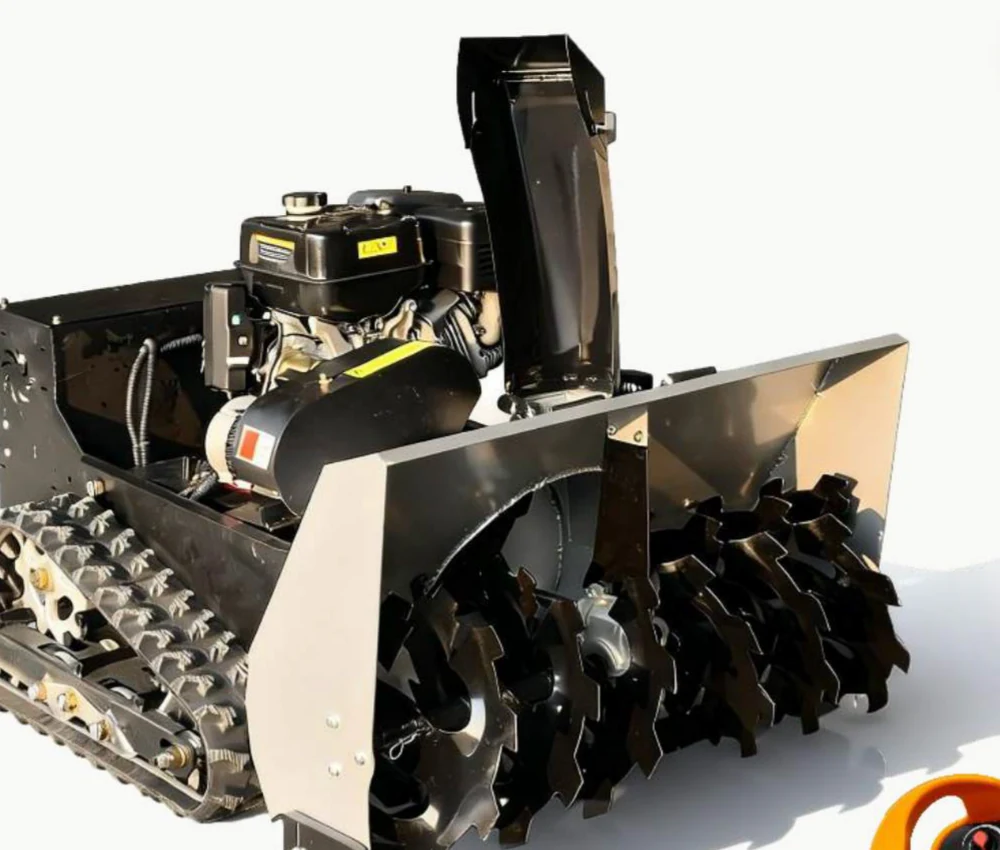
Does an electric starter make a snow blower battery-powered? No. An electric starter uses a small battery to crank a fuel engine. The machine’s work energy still comes from fuel, so runtime is governed by fuel supply, not by a traction battery. Check the manual for the actual power source.
Can advertised runtime be used as a route guarantee? No. A runtime figure applies only to the conditions it was measured under. Ask for snow type, depth, temperature, surface, and configuration, and treat an unqualified figure as unverified for your route.
Do the same storage rules apply to all snow equipment? No. Storage and charging rules come from the specific product’s documentation. Battery packs, chargers, and fuel each carry their own instructions, and site or jurisdiction rules may add requirements. Confirm with the manual and the responsible safety lead.
Conclusion

Compare battery and gas snow blowers on one documented route, with energy logistics, support, and unknowns recorded side by side. Confirm every figure with the supplier before you commit a fleet.
Video: Battery vs Gas-powered Snowblowers
