

 By Anna
Spring arrives, the last storm is logged, and a contractor or rental fleet manager now has to decide where each snow blower goes, who signs for it, and what evidence proves it was stored correctly. The hard part is not sweeping a machine clean; it is keeping every unit tied to its own manual and configuration.
There is no single snow blower off season storage procedure that fits a mixed fleet. Each machine should be stored against its own manual revision, its own fuel or battery configuration, and a named storage owner, with the approved location and pre-storage condition recorded so the return-to-service handoff can be checked later.
This guide is a records-and-responsibility framework for commercial snow contractors, rental fleets, and dealer service desks. It does not replace any manufacturer’s manual, and it deliberately avoids universal fuel, charging, or temperature recipes, because those details differ by unit and are not supplied here. If you are still planning the seasonal switch itself, the lawn care to snow removal checklist covers the task handover that comes before storage.
Snow blower off season storage: Inventory the actual snow machines and manuals
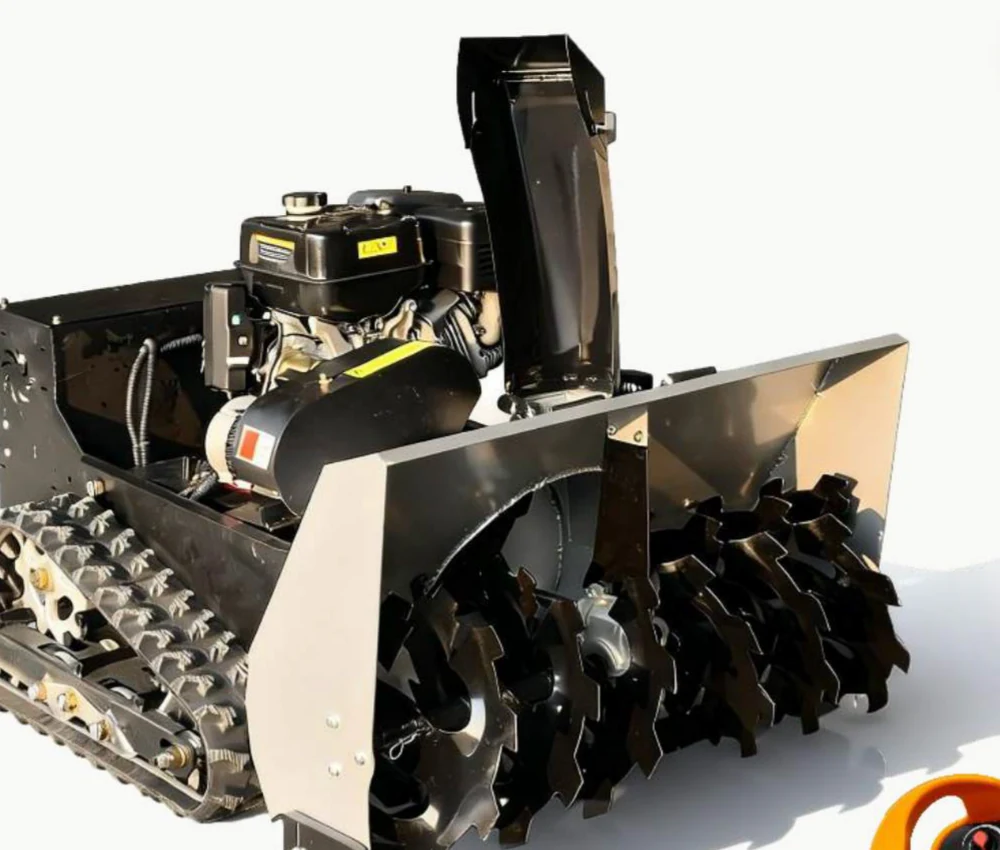
Start with a physical inventory rather than a memory of last winter. Walk the yard, the trailer, and the rental counter, and list every snow blower by its own identifiers: make, model, serial number, and the manual revision that applies to that serial. A fleet list that says “twelve two-stage units” is not an inventory; it cannot tell a technician which document governs which machine.
For each unit, record the working configuration as it came off the truck: attachments fitted, controls as configured, and any known defect logged during the season. This is the baseline the return-to-service check will compare against. If a machine went out with a defect note and came back with the same note, that is an unresolved item, not a storage question.
Distinguish fuel, battery and working configurations
Snow equipment is not one power category. A fleet may include petrol-engine units, battery-electric units, and remote-controlled machines whose power arrangement is described in their own documentation. Do not group them under one storage instruction.
Record the power type for each unit and note where its storage guidance lives in the manual. If the manual is not in hand, mark the fuel or battery field as an open question rather than filling it with a habit carried over from another machine. This is also where the SM catalogue matters: Super Mowers lists remote-control snow equipment, but the catalogue listing does not establish the engine, fuel, or battery storage conditions of any specific model. Those must come from the delivered unit’s documentation. The difference between control types is set out in remote control snow blower vs robotic snow blower; a remote control is not evidence of autonomous operation, and it says nothing about how the unit should be stored.
Match the manual revision to each unit
Manuals are revised. A procedure copied from an older print run, or from a similar model, may not match the machine in front of you. For each serial number, record the manual identifier and revision date, and flag any unit whose documentation is missing, illegible, or older than the machine.
A practical check is to compare the manual cover and revision line against the unit’s serial plate before storage begins, not after. If the revision cannot be confirmed, the unit should be treated as documentation-incomplete and escalated to the person responsible for supplier contact.
Review location and model-specific storage requirements

Location decisions belong in the record, not in a verbal handover. For each machine, note the approved storage place, whether it is indoor or covered, and who controls access. A rental fleet that stores units across several depots needs this per site, because the person who can answer a question in June may not be the person who stored the unit in April.
The model-specific requirements come from the manual. Read the storage section for that exact unit and translate it into the fields your record needs: what must be done before the machine is parked, what must be checked during storage, and what must be true before it is used again. Do not add steps from a different maker’s guide, and do not delete steps because they seem unnecessary.
Record fuel, power and ventilation questions for the exact unit
Fuel and battery handling are the areas where generic advice spreads fastest and does the most damage to a record. A procedure that suits one engine family may be wrong for another, and a charging instruction written for one battery system may not apply to a different unit in the same fleet.
Rather than writing a universal rule, record the question and its source. The table below is a record structure, not an instruction set; every answer must be filled from the unit’s own manual.
| Record field | What to capture | Source to use | Status if unknown |
|---|---|---|---|
| Power configuration | Engine, battery, or other arrangement as documented | Unit manual and serial plate | Open question for supplier |
| Fuel handling before storage | The manual’s stated steps for this unit | Exact manual revision | Do not substitute another maker’s steps |
| Battery handling | Whether the manual addresses charging, disconnection, or removal | Exact manual revision | Escalate to service lead |
| Ventilation and location limits | Any stated location or ventilation conditions | Exact manual revision and site record | Hold storage until confirmed |
| Pre-storage condition | Defects, damage, missing parts at intake | Season defect log | Flag as unresolved |
| Approved storage location | Site, bay, and access owner | Site manager sign-off | Do not move unit |
Avoid transferring another maker’s procedure
Published storage articles from major snow equipment brands are useful for understanding what a storage section typically covers, but they describe those brands’ machines. Ariens, Cub Cadet, and Simplicity each publish their own off-season guidance for their own products; none of it is evidence of what a different unit requires. A procedure written for one manufacturer’s engine or battery system should not be pasted into another machine’s record.
This matters most in mixed fleets assembled over several seasons. A technician who has stored one brand for years may apply the same routine to a newly acquired unit without checking its manual. The record should make that visible: if a step is listed for a machine, the manual revision supporting it should be cited next to it. Where no citation exists, the step is a habit, not a requirement, and should be reviewed before it is repeated.
Assign responsibilities and preserve evidence
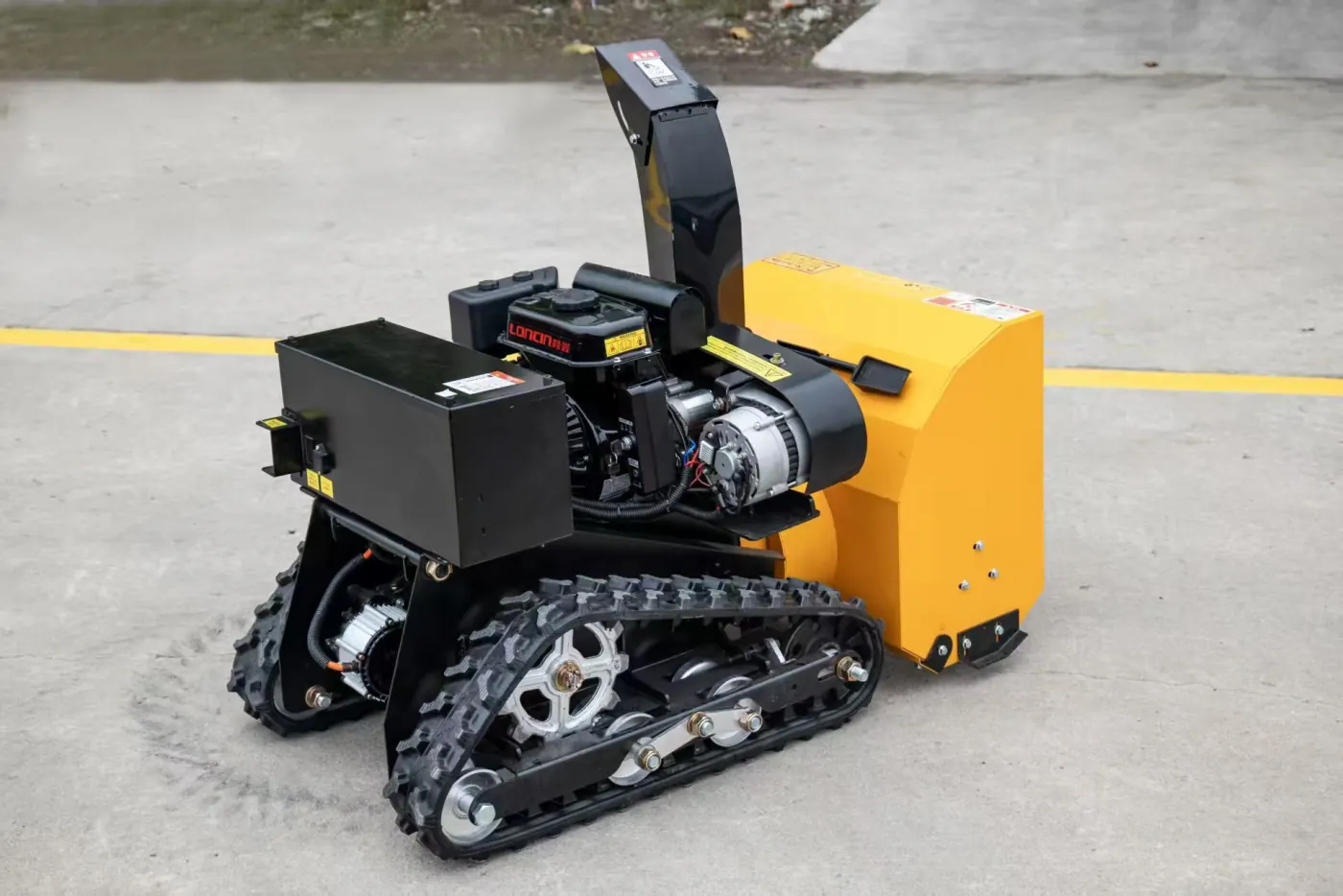
A storage plan without named owners is a suggestion. For each unit, record who physically stored it, who approved the location, and who holds the documentation. In a contractor fleet these may be three different people, and in a dealership they may sit in different departments.
Evidence should be simple enough to complete honestly. A dated entry with the machine identifier, the manual revision consulted, the location, and any open questions is more useful than a long checklist signed without reading. Photographs of the machine’s condition at intake, if your organisation uses them, belong with the record rather than in a phone gallery.
Application review
Discuss your mowing application.
Share the working condition, target market, product family and project scope.
Record open supplier questions and storage owner
Some questions cannot be answered internally. If the manual is missing a storage detail, or the unit’s configuration is unclear, the record should name the supplier contact and the date the question was raised. This is especially relevant for imported or remote-controlled equipment, where the dealer or importer may need to confirm details with the manufacturer.
Assign one storage owner per site or per fleet segment. That person is accountable for keeping the records current and for escalating unresolved items before the season restarts, not for performing every task personally.
Document the approved location and equipment condition
The location record should be specific: building, bay, row, and any access restriction. Condition notes should describe what was observed, not what was assumed. “Auger housing dented, noted at intake on 12 March” is a record; “unit fine” is not.
| Responsibility | Typical holder | Evidence produced |
|---|---|---|
| Physical storage and condition note | Yard or workshop technician | Dated intake entry with machine ID |
| Manual revision confirmation | Service lead or archivist | Manual identifier recorded against serial |
| Location approval | Site or depot manager | Signed location entry |
| Open supplier questions | Parts or warranty contact | Question log with dates |
| Return-to-service release | Service lead | Signed recommissioning check |
Plan the return-to-service handoff

The return-to-service handoff is where storage records earn their keep. Before a stored unit goes back into service, the person releasing it should be able to see what was done at storage, what was left open, and what the manual requires before use. If those three things are not visible, the machine is not ready for release regardless of how it looks.
Set a review point ahead of the season, not on the first forecast of snow. The review should confirm that documentation is complete, that open questions have answers or escalation dates, and that any defect noted at storage has been resolved or formally accepted.
Use the current manual for recommissioning
Recommissioning steps come from the same manual revision that governed storage, or from a newer revision if the manufacturer has issued one. Do not assume the storage notes are sufficient. Check whether the manual’s pre-use section requires anything that storage did not cover, and record that check.
For battery and fuel systems in particular, the manual’s own wording should be followed rather than a remembered routine. Where the manual is silent or ambiguous, that is a supplier question, not a licence to improvise.
Escalate missing documents or unresolved defects
Two categories should block release: a unit without confirmed documentation, and a unit with an unresolved defect that affects safe operation. Both should be escalated to the responsible manager with a date and a named owner. A rental fleet should also decide whether such a unit is withdrawn from the available pool until cleared.
This is a records decision, not a repair instruction. The point is that the gap is visible and owned, so it cannot quietly disappear between seasons.
Frequently asked questions

Can all snow blowers use the same fuel-storage procedure?
No. Fuel handling depends on the engine and the manufacturer’s instructions for that unit. A procedure written for one brand or engine family should not be applied across a mixed fleet without checking each machine’s manual. Where the manual is unavailable, record the question and escalate it rather than defaulting to a familiar routine.
Should every battery stay connected to a charger?
That depends on the battery system and what the unit’s manual states. There is no fleet-wide answer, and this guide does not supply a charging state or schedule. Record the manual’s instruction for each battery-equipped unit, and treat units with unclear documentation as open items.
What if the correct manual is unavailable?
Mark the unit as documentation-incomplete, record the serial number and the manual you believe applies, and raise the question with the dealer or supplier. Do not substitute another maker’s procedure or an older revision as a placeholder. The unit should not be released for service until the documentation gap is resolved or formally accepted by the responsible manager.
Conclusion

Off-season storage is a records task as much as a workshop one. Tie every snow blower to its own manual, location, owner, and open questions, then check that record before release. Start by auditing this season’s fleet list against the manuals you actually hold.
Video: How to Store Your Snow Blower | Ariens®
