
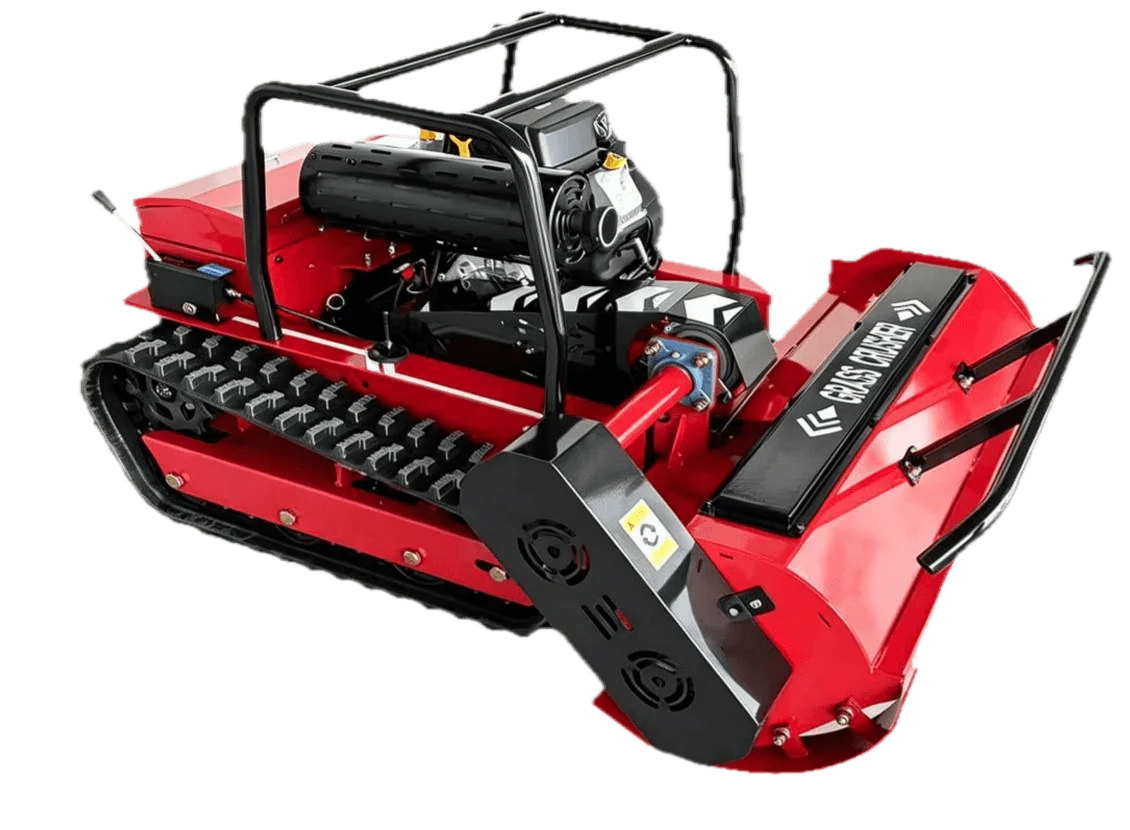
 By Anna
A dealer's service desk hears it as one complaint: the lawn mower battery not charging while running. The machine may be a ride-on with a small engine starting battery, a remote-controlled unit with a separate traction pack, or something else entirely. The first job is not testing — it is identifying which battery and which charging path the customer means.
A mower only charges a battery while running if that machine is built with an engine-driven charging system for that battery. Confirm the exact model, the battery's role, and whether the manual describes an alternator, generator, or external charger before treating the symptom as a fault.
Lawn mower battery not charging while running: Identify the exact machine and the battery whose charge is in question
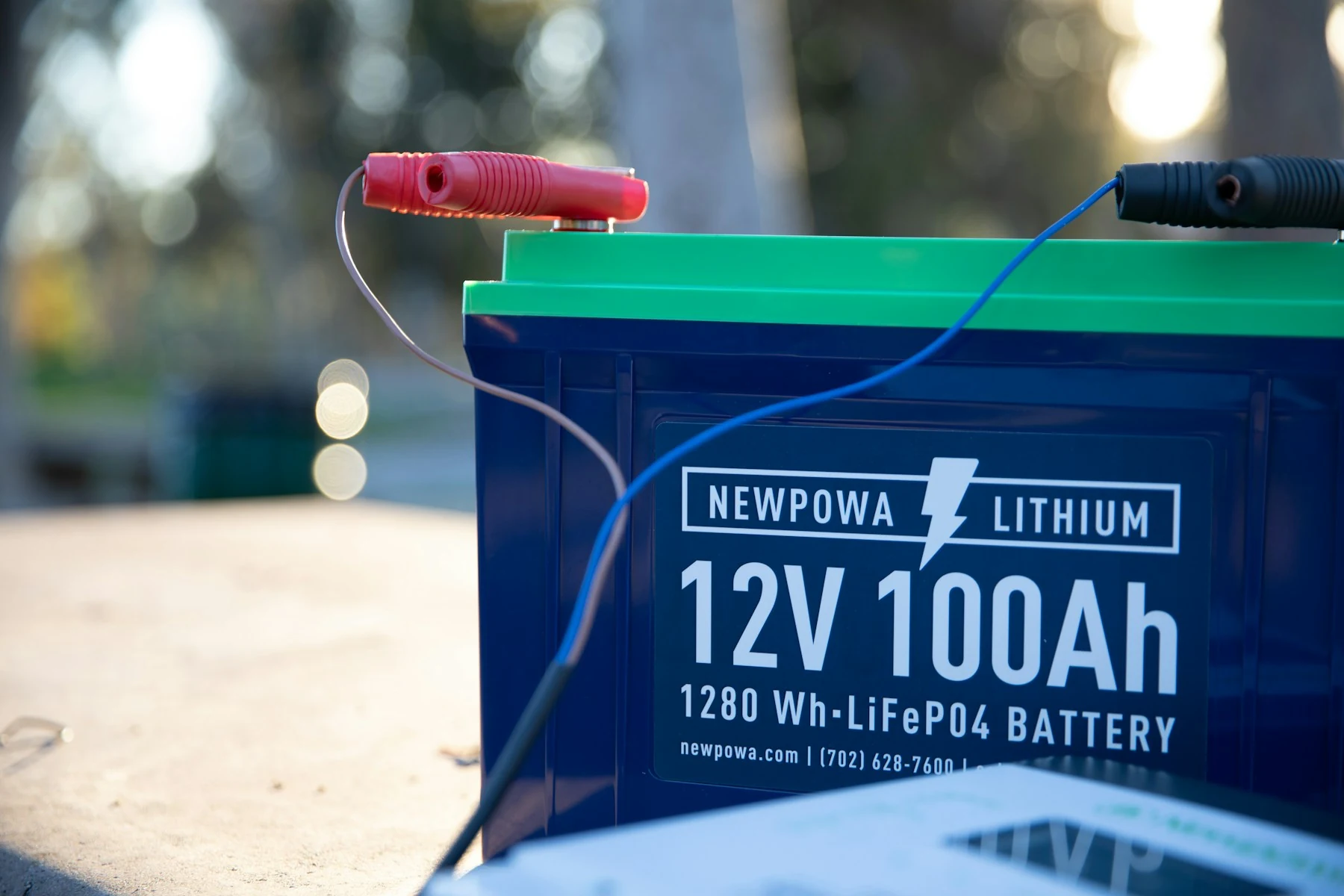
A charging complaint is only actionable once the machine and the battery are named. Two mowers in the same fleet can carry completely different electrical arrangements, and the words "the battery" hide that difference. Before any diagnosis, the service record should state the model, the serial or unit number, the battery's location and role, and what the operator actually observed.
Start with the battery's job. On many petrol machines, a small 12V battery exists to crank the engine and nothing else; once the engine runs, the machine's own charging circuit is expected to replenish it. On other machines, a larger battery bank drives the work functions — deck motors, drive or track motors — and may be replenished by a generator coupled to the engine rather than by a conventional alternator. These are different systems with different failure modes, and a single work order cannot cover both.
Ask the operator to describe the symptom in their own words and record it verbatim. "Battery not charging while running" can mean the engine will not restart after a stop, a dash indicator stays lit, a battery symbol appears, the machine loses power under load, or a charger never brings the pack to full. Each points to a different part of the system. The report should also note when the symptom appears — cold start, after an hour of work, only when the deck is engaged, or only after the machine has sat unused.
Machine identity matters because charging behaviour is model-specific. Husqvarna's riding-mower support pages on a battery that will not charge or stay charged are written for Husqvarna machines; they describe that manufacturer's configuration and are not evidence of how a Super Mowers unit is wired. The same caution applies in reverse. A generic assumption that "ride-on mowers have an alternator" is not a diagnosis.
Use a short intake checklist so the same information reaches the workshop every time:
| Question | Why it matters | Record as |
|---|---|---|
| Exact model, serial, and build revision | Charging layout differs by model and revision | Verbatim from the plate |
| Battery role: engine starting, traction/work functions, or both | Determines which charging path applies | Starting / traction / auxiliary / unknown |
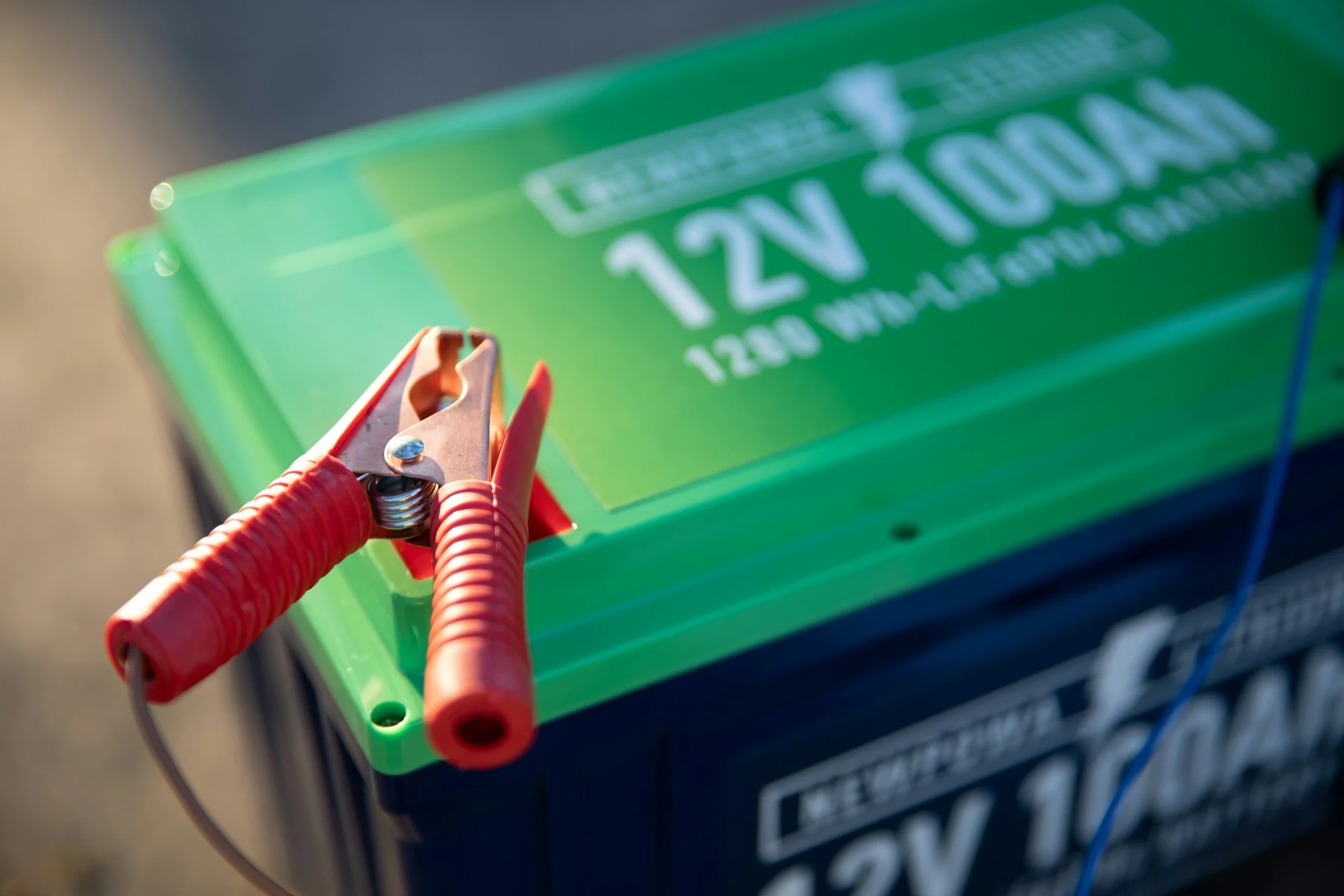
| Battery chemistry and voltage as marked on the unit | Prevents mixing lead-acid and lithium assumptions | Label text only; do not guess |
| When the symptom appears | Separates running-charge faults from standby drain | Cold start / during work / after shutdown / storage |
| What the operator saw | Distinguishes a no-crank complaint from a warning light | Operator's own words |
| Recent work, parts, or charger use | Flags unrelated causes such as a replaced battery or wrong charger | Parts and dates |
| Manual section consulted | Keeps the case anchored to the correct document | Manual title and revision |
If the model plate is unreadable or the battery label is missing, say so on the record rather than filling the gap from memory. An unidentified machine should not be booked as a charging-system repair, because the workshop cannot order parts or apply the right manual procedure without it.
Compare a conventional engine-start charging system with a named remote hybrid traction system
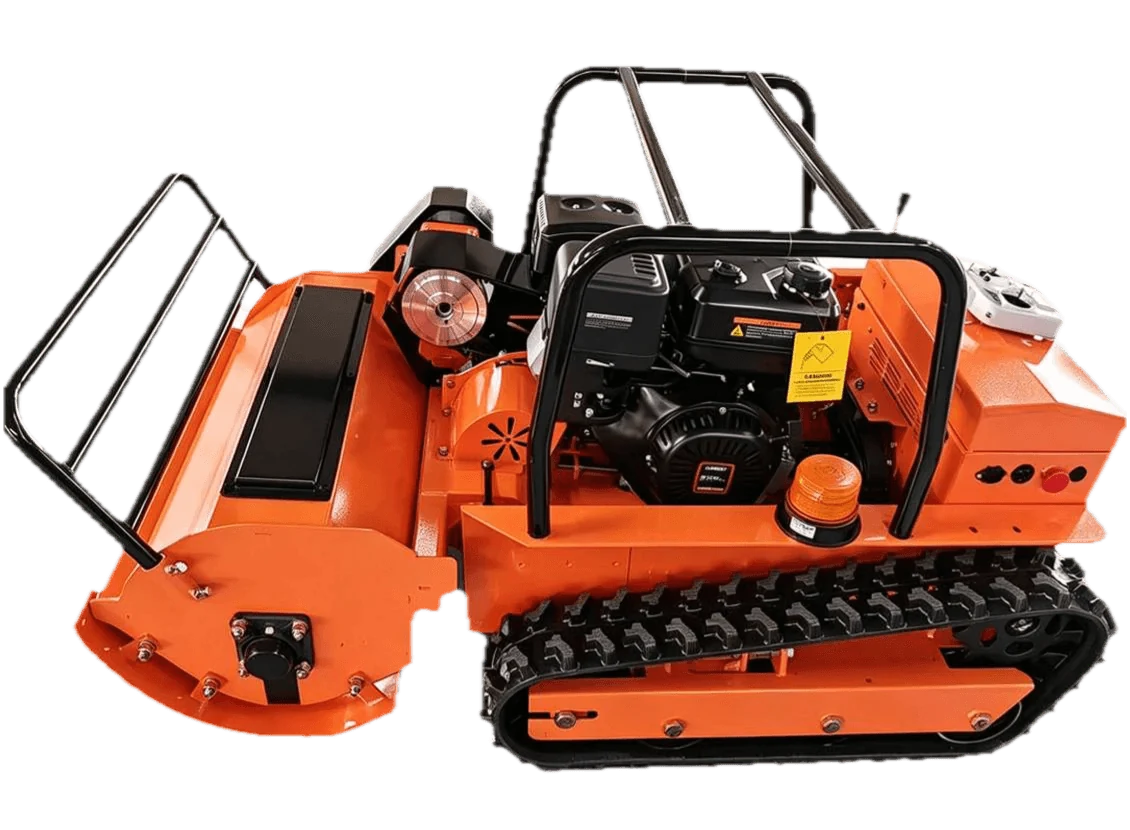
Two published examples show how far apart "charging while running" can be. Neither is evidence about a Super Mowers unit, but together they show why the service desk must ask which system is in front of them.
Briggs & Stratton's support FAQ on charging-system and alternator testing describes engines equipped with electric start and a charging system. That is the familiar pattern for many petrol machines: the engine turns, an alternator or similar charging circuit on the engine replenishes the starting battery, and the battery's main job is cranking. The FAQ is an engine manufacturer's description of its equipped systems; it is not a live test procedure to be copied onto any machine, and it does not establish what any particular mower uses.
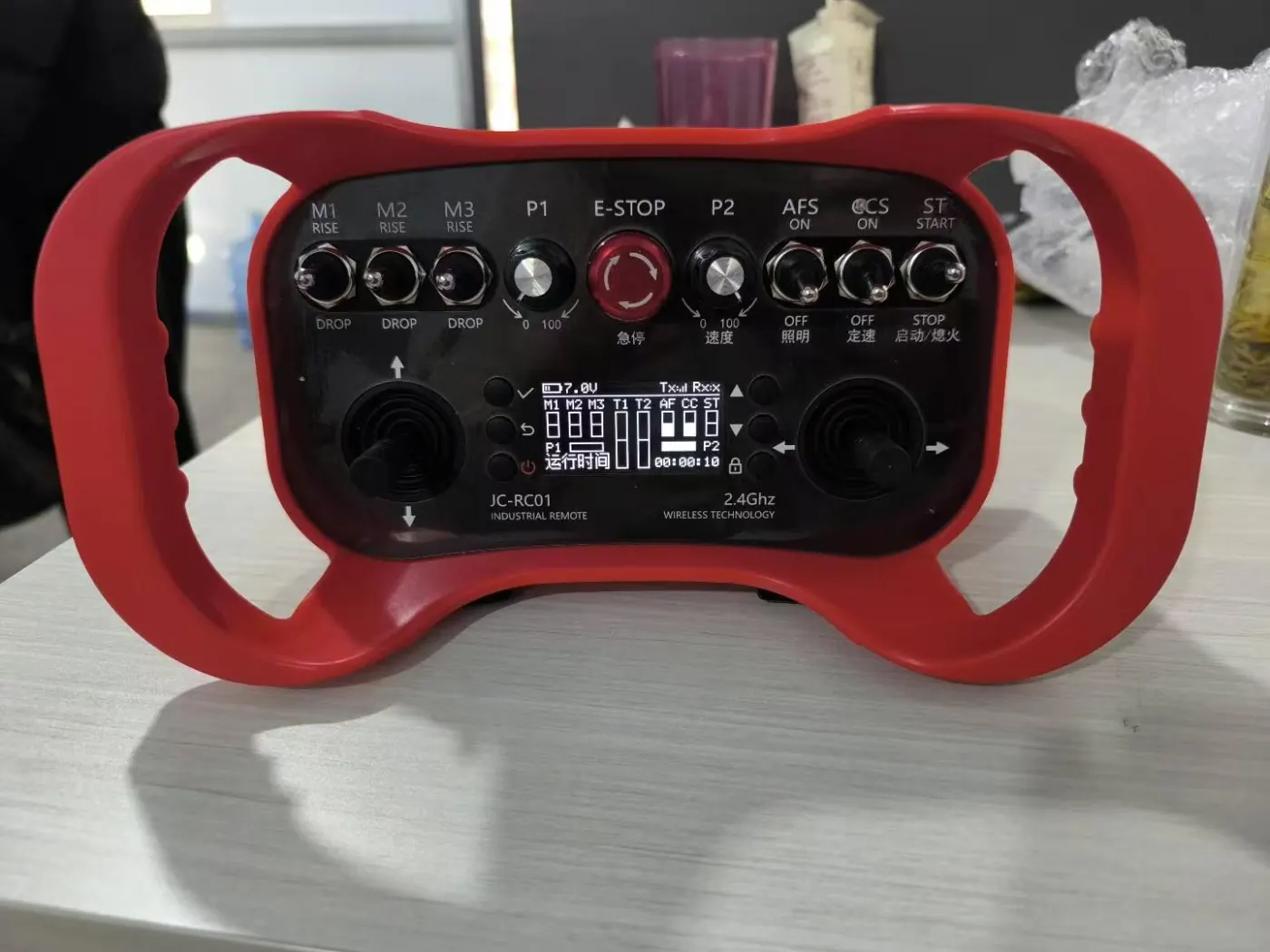
Ferris's 2026 EMEA literature describes a different architecture on a named remote hybrid mower: an engine-coupled generator charges a 48V battery bank that powers the deck and track motors. Here the battery is not merely a starter — it is the energy buffer for the work functions, and the charging source is a generator tied to the engine. A complaint about that pack losing charge under load is a traction-system question, not a cranking-battery question.
The practical comparison for a mixed fleet looks like this:
| Aspect | Conventional engine-start charging (as described by Briggs & Stratton) | Named remote hybrid traction system (as described by Ferris) |
|---|---|---|
| Battery's main role | Cranking the engine and supporting small loads | Powering deck and track motors through a 48V bank |
| Charging source while running | Engine-mounted charging system / alternator | Engine-coupled generator |
| Typical first complaint | No crank, weak restart, battery goes flat between jobs | Loss of work function, pack not holding charge, warning indication |
| Who should assess it | Small-engine service technician per the engine manual | Hybrid system service per the machine manual |
| What this proves about an SM unit | Nothing specific | Nothing specific |
Neither column can be applied to a machine until its own documentation places it in one category or the other. A fleet manager who maintains both types should tag each unit in the asset register with its battery role and charging source, taken from the manual, so that a phone complaint can be routed correctly on the first call. That tag also prevents a technician from applying a starter-battery checklist to a traction pack, or the reverse.
Separate an engine-driven charging system from an external charger without assuming the machine has both
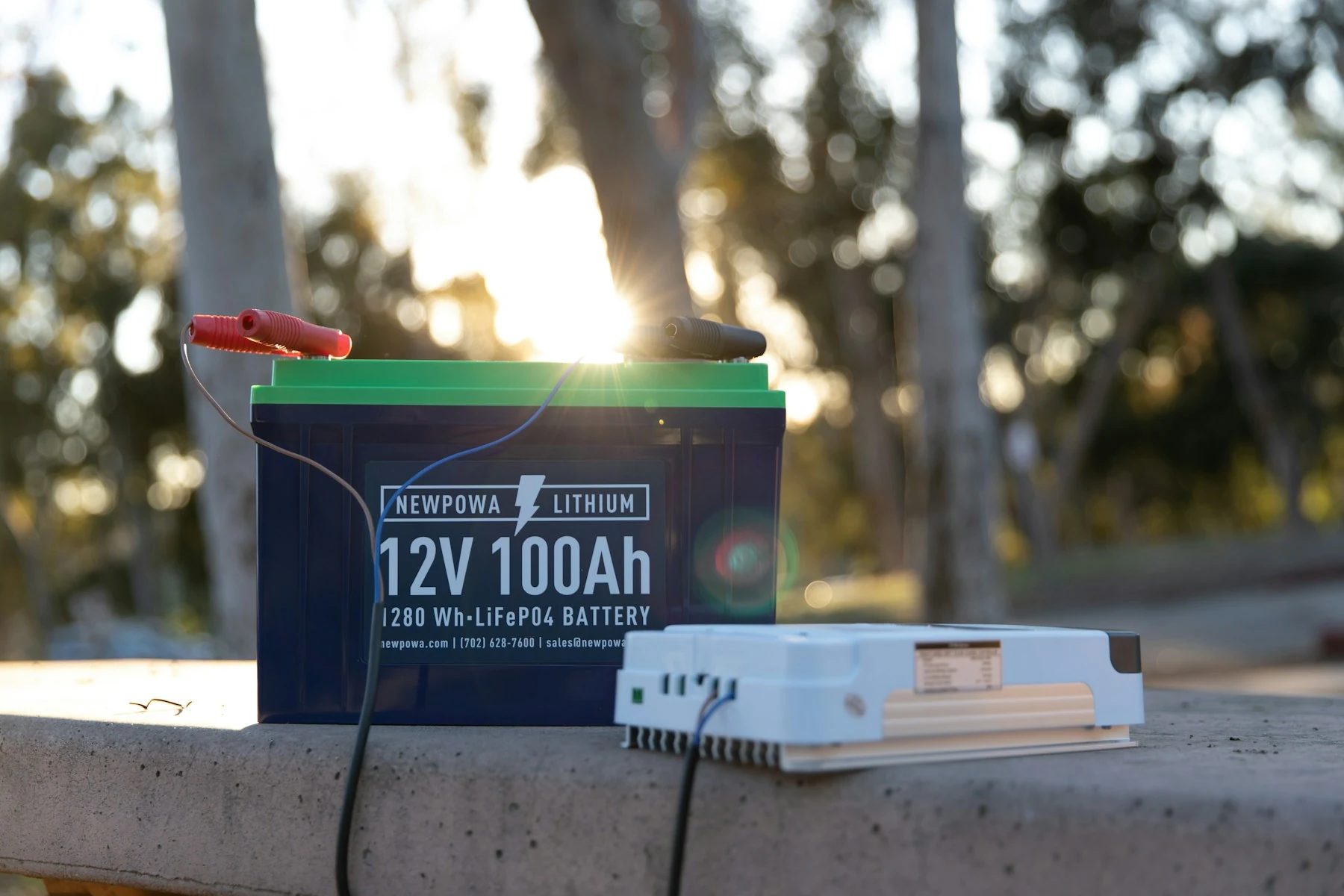
Many charging complaints are really charger complaints, and the two must be kept apart. An engine-driven charging system works only while the engine runs. An external mains charger works only when the machine is parked and connected. A machine may have one, the other, or both, and the manual — not habit — decides which.
This matters because the two produce similar symptoms from different causes. If a starting battery goes flat between jobs on a machine whose manual describes an engine charging circuit, the question is whether that circuit is working and whether something is draining the battery when the machine is off. If the same battery goes flat on a machine that is supposed to be topped up by a plug-in charger, the question is whether the charger, its connection, or the charging routine is at fault. Treating the second as the first sends a technician hunting for an alternator fault that may not exist.
Application review
Discuss your mowing application.
Share the working condition, target market, product family and project scope.
Super Mowers' published guidance on lawn mower battery charger compatibility addresses the external-charger side of this split. That article is the right reference when the question is which charger suits a battery; it is not a substitute for the machine manual when the question is whether the machine charges its own battery while running. Keeping the two references separate prevents a charger answer from being pasted onto a running-charge complaint.
A simple routing test helps the service desk decide which path a case belongs to:
| Observation from the customer | Likely system in question | Document to check first |
|---|---|---|
| Battery flat after the machine sat unused, charger not used | Standby drain or charger routine | Machine manual: storage and charging section |
| Battery flat after a work session with the engine running throughout | Engine-driven charging path, if the manual specifies one | Machine manual: charging system; engine manual |
| Charger never shows a full charge | External charger, connection, or battery condition | Charger instructions and battery label |
| Warning indication only while working | Work-function power system, if the model has one | Machine manual: battery/electrical warnings |
| Customer does not know whether a charger is supplied | Unknown — do not assume | Machine manual and delivery/handover record |
For a mixed fleet, the charger question and the running-charge question should be logged as separate case types even when they arrive in one call. That keeps the workshop's first action aligned with the actual system, and it gives the customer a clear explanation of why the machine is being asked about in a particular way.
Record observations and refer electrical testing to qualified service

Once the machine and system are identified, the service desk's job is to record, not to test. Live electrical measurement on a mower charging circuit — alternator output, regulator behaviour, generator output, pack voltage under load — belongs to a qualified technician working from the exact model manual. Improvised testing, bypassing a regulator, or substituting a different battery to "see what happens" can damage components and removes any chance of a clean diagnosis.
The record should capture what can be seen and heard safely: whether the engine starts and runs normally, whether any warning indicator appears and when, whether the symptom follows a particular task or terrain, how the machine is stored, whether an external charger is used and how often, and what the battery label says. Photographs of the model plate, battery label, charger label, and any warning display are more useful than a description. Note the date and time of each observation so that intermittent faults can be matched to work patterns.
A workable handover note for the workshop contains four blocks:
- Machine identity — model, serial, revision, attachments fitted, and hours.
- Battery identity — role, chemistry and voltage as labelled, installation date if known, and any recent replacement.
- Symptom timeline — when it started, what the operator was doing, how often it recurs, and any warning indication.
- Charging context — whether the manual describes an engine-driven charging system, an external charger, or both, and which document that came from.
That last block is where many cases are resolved before a technician opens a panel. If the manual shows the machine has no engine-driven charging circuit for the battery in question, the customer's expectation — not the hardware — is the thing to correct, and the conversation can move to the correct charging routine. If the manual does describe such a circuit, the technician has a defined starting point and the right document.
Fleet managers can reduce repeat cases by keeping a one-line electrical profile for each unit in the asset register: model, battery role, charging source, and the manual revision that confirms it. When a new unit joins the fleet, that line is filled in at handover rather than after the first complaint. Super Mowers' product catalogue lists the equipment families the company offers; the individual machine manual remains the authority on how each one is wired.
FAQ
Does every mower charge its battery while running? No. Some machines have an engine-driven charging system for a starting battery; others rely on an external charger for the battery they use, and some have a generator feeding a traction pack. The machine manual is the only reliable answer for a specific model, and it should be checked before a running-charge fault is assumed.
Is this the same as an external charger fault? No. An engine-driven charging system operates only while the engine runs; an external charger operates only when connected. They are separate paths with separate checks. A charger that will not complete a charge is a charger or battery question, while a battery that goes flat despite the engine running points to the machine's own charging circuit — if the manual says one exists.
Can battery drain prove an alternator has failed? No. A flat battery shows that energy left the battery, not why. Drain can come from a faulty charging circuit, a battery at the end of its life, a parasitic load while parked, a charging routine that does not match the manual, or a connection problem. Only qualified testing against the model manual can establish the cause, and the service record should say "cause not yet established" until that testing is done.
Conclusion
Name the machine, the battery, and its charging path before treating a running-charge complaint as a fault. Record what the operator saw, cite the manual, and hand electrical testing to qualified service.
Video: How to Test the Charging System on Small Engine Equipment - Battery not Charging Fix
