
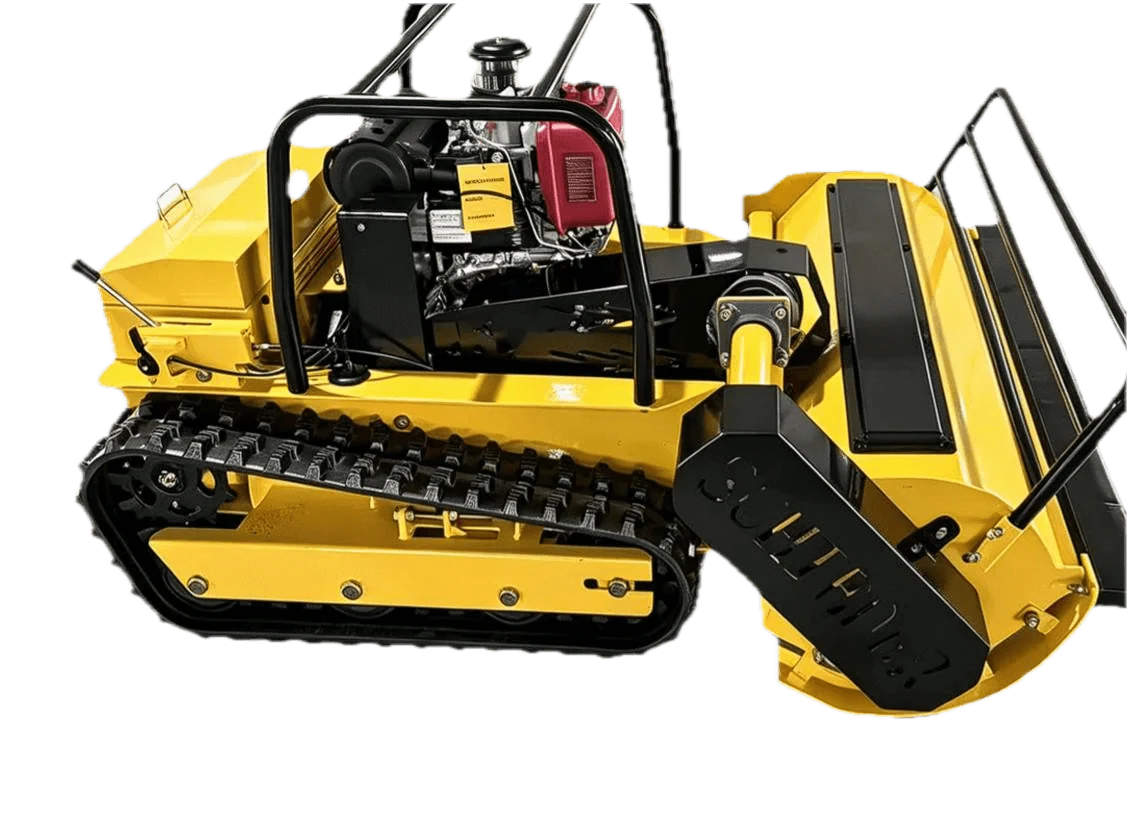
 By Anna
You are specifying a commercial remote-controlled mower, adding units to a fleet, or preparing a dealer quotation, and the air cooled vs liquid cooled mower engine question has landed on your desk. The brochure says one thing, the engine label says another, and the service team wants to know what it will be maintaining.
Do not choose cooling architecture from the fuel type or the brand family. Identify the exact engine in the exact machine, record how that engine is cooled, and confirm the cooling components and maintenance documents for that build. Air cooling and liquid cooling are different service and documentation commitments, not a shortcut to a durability or performance verdict.
Air cooled vs liquid cooled mower engine: Identify the exact engine and cooling architecture
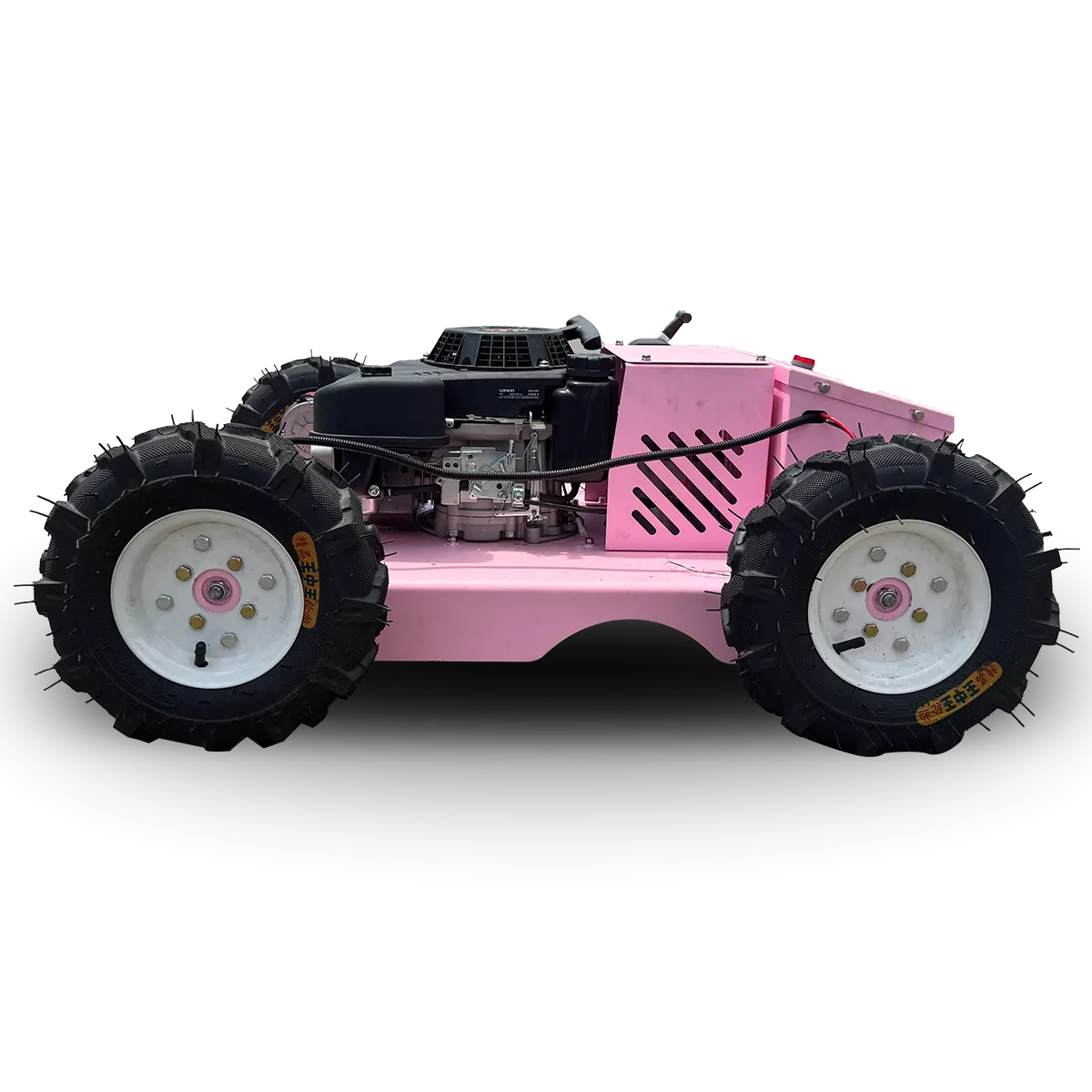
Start with the machine's identity, not the category. A remote-controlled mower is a control arrangement; it says nothing about whether the engine is air-cooled or liquid-cooled. Neither does the word "diesel" or "gasoline", and neither does a model family name that covers several configurations.
The practical sequence is to pin down four identifiers before discussing cooling at all: the machine model and build configuration, the engine make and model, the fuel, and the emission or market variant. Cooling architecture follows from the engine, and the engine follows from the build. If a supplier cannot state the engine model for the unit being quoted, the cooling question is premature.
This matters because public product descriptions are written at different levels of detail. The Super Mowers product catalogue is a starting point for model names and published configurations, but a catalogue entry is not a per-unit confirmation. The brief for this article notes that the published Super Mowers material describes the Remote 50 gasoline version as air-cooled. That is a statement about that published configuration. It should not be extended to every Remote 50 unit, to other Super Mowers models, or to machines built to a different specification.
A useful discipline is to treat cooling as a specification attribute with a source, not as an assumption. Write down where the claim came from: the product page, the engine plate, the engine manufacturer's data sheet, the machine manual, or the supplier's written quotation. A claim with a source can be checked at handover. An assumption cannot.
For buyers comparing power systems more broadly, the existing Super Mowers article on electric vs gas remote control mowers covers the power-source decision. That is a separate question from how a given combustion engine rejects heat, and the two should not be merged in a specification sheet.
Questions that settle the engine identity
- Which machine model and configuration code is being quoted?
- Which engine manufacturer and engine model number is fitted?
- What fuel does that engine use, and which market variant is it built to?
- Does the quotation, order confirmation, and manual all name the same engine?
- If the engine changes between quotation and delivery, who notifies the buyer and when?
Compare documented cooling components in named examples

Once the engine is identified, compare what is actually documented about its cooling system. Two published examples in the brief illustrate how different the documented picture can look, and how carefully the comparison has to be framed.
The Super Mowers Remote 50 gasoline version is described in the published product material as air-cooled. Air cooling on a small engine normally means the engine rejects heat through fins and airflow rather than through a liquid circuit. What the buyer still needs from the supplier is the specific component list for that build and the maintenance instructions that apply to it.
The Herder CR10 is a different machine in a different class: a radio-controlled carrier for mowing, with a water-cooled diesel engine, as described on the manufacturer's page. It differs from the Remote 50 in size, fuel, and engine. That difference is exactly why the two should not be used to argue that one cooling method lasts longer, runs quieter, or performs better. The two examples show that both architectures exist in remote-controlled mowing equipment and that the documentation burden differs. They do not constitute a comparison test.
The same restraint applies to general industry articles. Manufacturer articles about mower cooling, such as the Wright Manufacturing piece referenced in the brief, are written in a specific product and promotional context; their model-specific claims are not transferable to another brand's machine. Extension material such as the LSU AgCenter guidance on choosing lawn and garden tractor engines compares air and liquid cooling in that tractor context, which is useful background for terminology but is not a statement about a remote-controlled mower's service requirements. For a general framing of the trade-offs, the BISON Machinery comparison covers air-cooled versus liquid-cooled engines at a generic level; it does not settle what is fitted to your machine.
A comparison frame that stays honest
The table below compares what a buyer should expect to document, not which system is better. Every cell is a question to confirm against the actual machine, not a specification.
| Check | Air-cooled engine (confirm per unit) | Liquid-cooled engine (confirm per unit) |
|---|---|---|
| Heat rejection path | Fins and airflow; confirm the specific components in the manual | Coolant circuit, radiator or heat exchanger, pump; confirm the specific components in the manual |
| Consumables to plan for | Confirm filters, belts, and cleaning materials named in the manual | Confirm coolant type, concentration, and inspection points named in the manual |
| Routine inspection items | Confirm what the manual says about airflow paths and fins | Confirm what the manual says about coolant level, hoses, and connections |
| Operator-visible indicators | Confirm which gauges or warning devices the build includes | Confirm which gauges or warning devices the build includes |
| Manual coverage | Confirm the manual covers this engine and this cooling system | Confirm the manual covers this engine and this cooling system |
| Spare parts identification | Confirm part numbers from the engine and machine documentation | Confirm part numbers from the engine and machine documentation |
| Warranty conditions | Confirm the engine and machine warranty documents separately | Confirm the engine and machine warranty documents separately |
Ask for maintenance access and applicable instructions
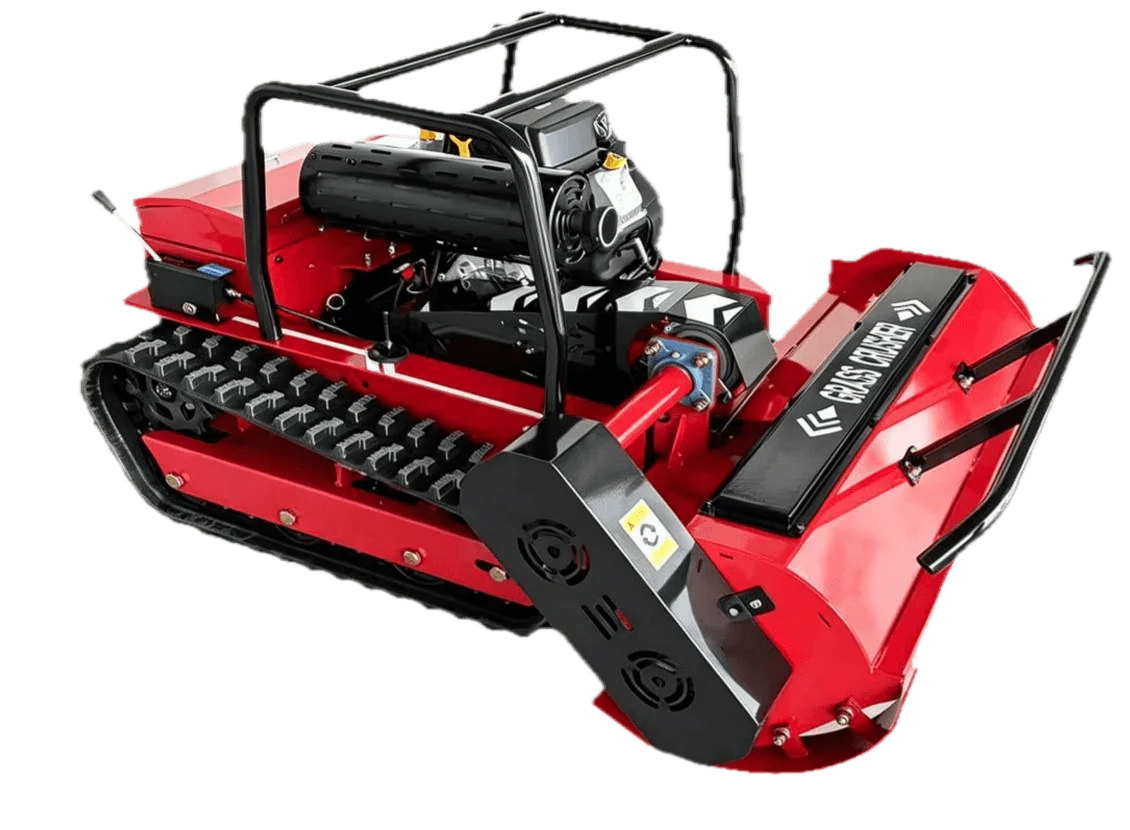
Cooling architecture becomes a purchasing issue mainly through maintenance. The buyer's real question is not "which is better" but "what will my team have to reach, clean, check, and record, and does the documentation tell them how?"
Application review
Discuss your mowing application.
Share the working condition, target market, product family and project scope.
Ask for the maintenance schedule that applies to the exact engine, and ask which document it comes from. Engine manufacturers and machine manufacturers can each publish service information, and the two are not always identical. A supplier's summary sheet is convenient, but the buyer should know whether the authoritative interval sits in the engine manual, the machine manual, or both.
Access is a separate question from the schedule. A cooling system that is documented but hard to reach creates a maintenance burden that does not appear on the specification sheet. Ask for photographs or a walkaround of the actual configuration showing how the cooling components are reached, and ask the service team to confirm that the access matches what they would need to do. Do not accept a generic image of a different model as evidence of access on the quoted build.
For fleet and dealer readers, the handover record matters as much as the manual. A practical handover pack for a cooling system includes the engine manual, the machine manual, the coolant or cleaning specification where applicable, the warranty terms for both engine and machine, and a named contact for technical questions. If the machine is delivered with a different engine from the one quoted, the pack should be updated before the unit enters service.
What to request in writing
- The engine manual and machine manual for the exact build, in the language the service team uses.
- The maintenance schedule with its source document identified.
- The coolant specification, if the engine is liquid-cooled, and the cleaning or inspection guidance if it is air-cooled.
- A description of how the cooling components are accessed for service.
- The warranty documents for the engine and the machine separately.
- Confirmation of which warning devices and gauges are fitted.
Separate design choice from an active overheating fault

A cooling architecture is a design decision made before delivery. An overheating event is a fault that happens in service. Buyers and service teams sometimes blur the two, and that blurring leads to bad purchasing conclusions and worse fault reporting.
The right approach is to keep the design record and the fault record separate. The design record says which engine is fitted and how it is cooled. The fault record says what happened, under what conditions, what the operator observed, and what the manual says to do about it. Neither record should be used to make a general claim about the architecture's reliability.
This is also where the brief's boundaries matter. Nothing in the supplied material supports a claim that air-cooled engines overheat more often, that liquid-cooled engines last longer, or that either system is noisier. Those claims would need evidence this article does not have. What the buyer can do is make sure the fault-reporting process is specific enough that a service team can act on it, and that the manual's instructions are followed rather than improvised.
For fleet managers, a simple symptom report template helps. Record the machine, engine model, cooling type as documented, the work being done, the site and weather conditions, the operator's observation, any warning indication, and the action taken. That record supports a warranty discussion and a maintenance review without turning a single event into a general rule.
Frequently asked questions

Are all remote mower engines air-cooled?
No. Remote control describes how the machine is controlled, not how its engine is cooled. The brief's named examples include a gasoline remote-controlled machine published as air-cooled and a different radio-controlled carrier published with a water-cooled diesel engine. The cooling type has to be confirmed for the exact model and build.
Does liquid cooling automatically guarantee longer life?
No such guarantee follows from the architecture alone. Engine life depends on the engine design, the duty cycle, maintenance, operating conditions, and how faults are handled. The supplied material does not include a comparison test between the two systems, so a longevity claim should not be made in a quotation or a purchasing decision.
Which manual identifies the actual cooling system?
The manual that covers the engine actually fitted to the machine. In practice, buyers should ask for both the engine manual and the machine manual for the exact build, and check that the cooling system described matches the engine plate and the delivery configuration. If the documents disagree, resolve that before accepting the unit.
Conclusion
Confirm the engine, the cooling components, and the maintenance documents for the exact build before you buy. Ask your supplier to put the cooling specification and manual references in writing.
Video: Air Cooled vs Oil Cooled vs Liquid Cooled Engines | Which Cools Best?
