

 By Anna
You are preparing a US entry for remote-controlled mowers, a partially assembled unit, or a box of spare parts. The code on a supplier invoice may look plausible, but it was not written for your shipment. Before filing, you need to hand a customs professional a clear description of what is actually arriving.
There is no single lawn mower HTS code that you can safely copy onto a remote-controlled machine. Classification depends on the exact article, its configuration as entered, and the current tariff text. Your job is to document the goods precisely, then let a qualified customs broker or importer of record confirm the code, origin, and duty.
This article does not assign an HTS number, duty rate, or country of origin to any Super Mowers model. It explains what to verify, how two dated CBP rulings show why configuration matters, and what to put in front of your broker. Super Mowers lists remote-controlled equipment for dealers and importers in its product catalogue, but a catalogue listing is not a classification decision.
Lawn mower hts code: Describe the exact article and configuration as entered

Start with the physical shipment, not the product family name. A tariff classification is applied to goods as they are presented for entry: what is in the container, how complete it is, and what functions it can perform in that state. Two shipments of the same model can raise different questions if one arrives complete and the other arrives as a chassis, deck, and separate control module.
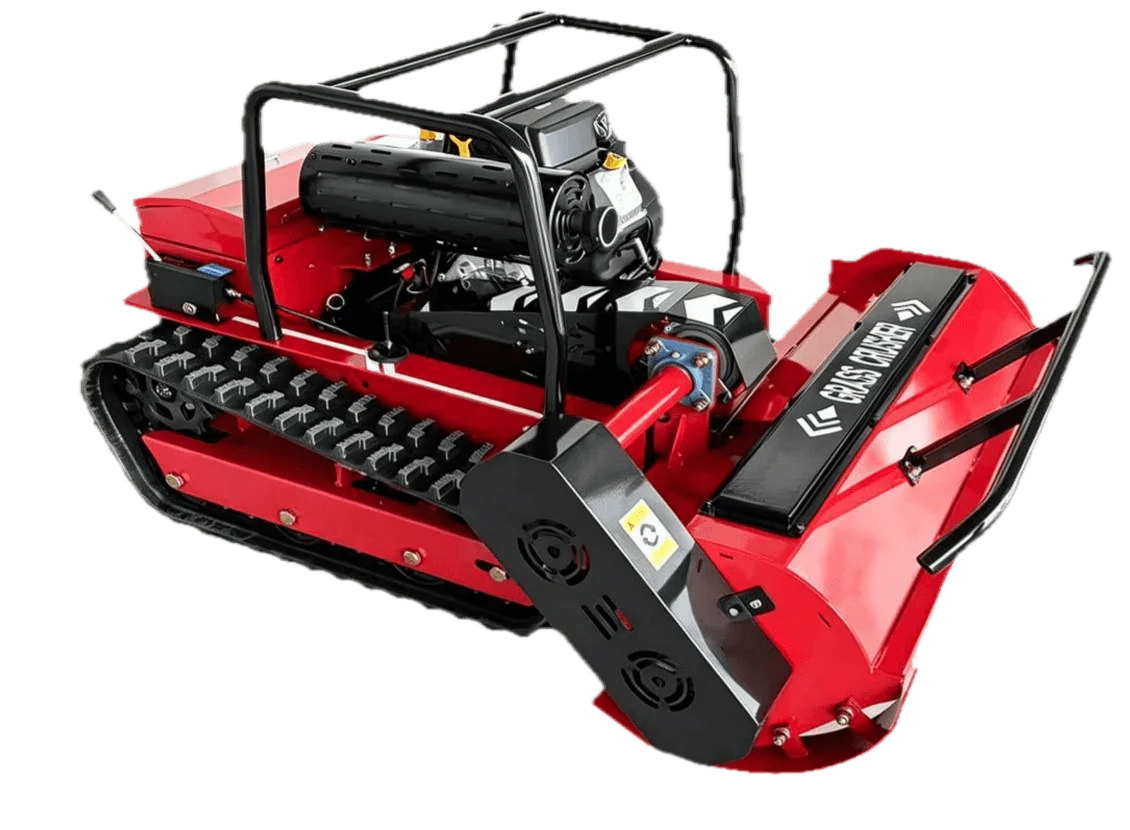
Write a plain-language description that a classifier can use. Include the power source, the cutting mechanism, whether the machine is self-propelled or pushed, how it is controlled, and whether the remote control is part of the entered goods or shipped separately. For remote-controlled equipment, say clearly that the operator controls the machine remotely; do not describe it as autonomous or robotic unless that is genuinely the product. Control method is a factual product characteristic, and it should be stated in the same terms as the technical documentation.
Then attach the documents that support the description: the product specification sheet, a photograph of the actual shipped configuration, the packing list, and the manual for the exact model and revision. If the machine arrives without its remote-control unit, without its battery, or without a deck, say so. Do not let a brochure for a complete machine stand in for a shipment of subassemblies.
A useful discipline is to separate three descriptions that are often blended together:
- Commercial description: the name used in the sales contract and on the invoice.
- Technical description: what the machine is and does, from the manual and specification sheet.
- Entry description: the goods as presented, including completeness and accompanying components.
When these three disagree, the entry description should be resolved with your broker before filing. An invoice line that says only "mower" or "spare parts" gives a classifier very little to work with.
Compare two dated CBP cases without assigning their conclusions to a different machine

Two publicly available CBP rulings are useful for showing how the facts drive the answer. They are not a code lookup for your product, and neither concerns a Super Mowers model. Read them as examples of reasoning, not as instructions to copy a result.
CBP ruling N351254, dated July 2025, identifies specific walk-behind mower subassemblies and distinguishes the configuration as entered from parts imported separately. The lesson for an importer is procedural: the ruling turns on which components were in the shipment and how they were presented. A conclusion about one set of subassemblies does not automatically transfer to a different set, a different degree of assembly, or a remote-controlled machine.
CBP ruling N359668, dated March 2026, concerns a specific Mexican-assembled walk-behind mower and addresses USMCA and origin questions. It is not an SM ruling and not a current duty schedule. Its value is to show that origin is a separate line of analysis from classification, and that the assembly location and the applicable trade agreement matter to the entry.
The comparison below sets out what each case can and cannot tell you. Treat the "what it does not establish" column as the more important one.
| Source | Date and subject | What it illustrates | What it does not establish for your shipment |
|---|---|---|---|
| CBP N351254 | July 2025; specific walk-behind mower subassemblies | How the as-entered configuration is distinguished from separately imported parts | A code for your remote-controlled mower, your subassembly set, or your parts shipment |
| CBP N359668 | March 2026; specific Mexican-assembled walk-behind mower | That origin and USMCA questions are analysed alongside the goods description | A current duty rate, an origin result for your machine, or a classification for a different model |
| Datamyne HTS page (8433901000) | Classification lookup page | That traders search HTS headings for mower-related goods | That the heading is correct for your article as entered |
| Credlix HTS page (843311) | Lookup page marked as a 2025 version | That third-party pages summarise tariff headings | Currency of the underlying tariff text or applicability to your goods |
The Datamyne and Credlix pages are classification lookup resources, and the Credlix page carries a 2025 version marking. A version marking is a reminder, not a guarantee. Tariff text, Chapter 99 provisions, and trade measures change, so the code and rate must be confirmed against the current official source at the time of entry. Your broker should do that confirmation; a blog page or a supplier's suggestion is not a substitute.
Separate tariff classification from country of origin and applicable duty
Importers often treat "the HTS code" as if it carried the whole answer. It does not. Classification, origin, and duty are related questions, but they are answered separately, and a mistake in one is not cured by getting another right.
Application review
Discuss your mowing application.
Share the working condition, target market, product family and project scope.
Classification asks what the goods are in tariff terms. It depends on the article's characteristics and the heading and subheading text, including any section or chapter notes. A complete mower, an incomplete or unassembled machine, and a separately imported component can raise different classification questions. The treatment of incomplete or unassembled goods is governed by the tariff rules and the specific facts, which is exactly why the as-entered description matters.
Origin asks where the goods come from for duty and trade-programme purposes. Assembly location is part of the picture, but origin rules can look at where materials came from and what processing occurred. Ruling N359668 shows origin being analysed for a Mexican-assembled mower; that analysis belongs to those facts. Do not assume that a machine assembled in one country has the origin your buyer expects, or that a trade agreement applies, without confirmation.
Duty is the amount payable, and it depends on the classification, the origin, the entry date, and any applicable measures. A rate you saw on a lookup page, or in an older ruling, may not be the rate that applies to your entry. Chapter 99 provisions and other trade measures can change the calculation, which is why the current tariff text and entry-date rules need to be checked.
| Question | What it depends on | Who should confirm it |
|---|---|---|
| Which HTS heading and subheading applies? | The article as entered, tariff text, chapter and section notes | Qualified customs broker or importer of record |
| What is the country of origin? | Assembly and material facts, applicable origin rules, any trade programme | Broker, with supplier documentation |
| What duty applies? | Classification, origin, entry date, current measures | Broker, using current official sources |
| Does a trade programme apply? | Origin result and programme conditions | Broker, with supporting records |
Keeping these questions separate also helps you spot weak supplier statements. A supplier who writes "HTS code X, duty Y%" may be repeating a code used for a different configuration, a different destination, or an earlier tariff version. Ask for the basis of the statement rather than treating it as a classification decision.
Prepare machine, components and destination details for a qualified customs broker

A broker can only classify what you describe. The practical task is to assemble a handover pack that lets a professional check the current tariff text against your actual goods. This is not about writing your own ruling; it is about removing ambiguity before the entry is filed.
Use the checklist below as a handover template. Where a line is unknown, mark it as a question to confirm rather than filling it with an assumption.
| Item to provide | Why the broker needs it | Status |
|---|---|---|
| Model and revision of the machine | Ties the entry to the correct technical documentation | Confirm from supplier |
| Photographs of the goods as packed | Shows the actual configuration and completeness | Obtain before shipment |
| Product specification sheet | States power source, cutting mechanism, and control arrangement | Request from supplier |
| Manual for the exact model and revision | Supports the technical description | Request from supplier |
| Packing list and invoice description | Shows what is in each line and whether parts ship separately | Check against the shipment |
| Degree of assembly | Distinguishes a complete machine from subassemblies | Confirm in writing |
| Remote-control unit and accessories | Shows whether controls, batteries, or chargers are included | Confirm line by line |
| Country of assembly and material origin information | Supports the origin analysis | Request from supplier |
| Destination and intended use | Relevant to entry and any programme questions | Confirm with buyer |
| Any prior ruling the supplier cites | Lets the broker test whether the facts match | Obtain the full document |
Two habits make this pack more useful. First, keep the description consistent across the invoice, packing list, and technical documents; conflicting descriptions force the broker to guess. Second, send the pack early enough that questions can be answered before the goods arrive. The delivery and inspection sequence in this pre-signing checklist is a separate task from classification, but the same shipment records support both.
If the machine is moving as part of a fleet transfer, the transport planning article explains how to keep unit-level records together. And if the power source is still being decided, the gasoline versus diesel comparison describes the product difference; it does not determine a tariff outcome.
FAQ
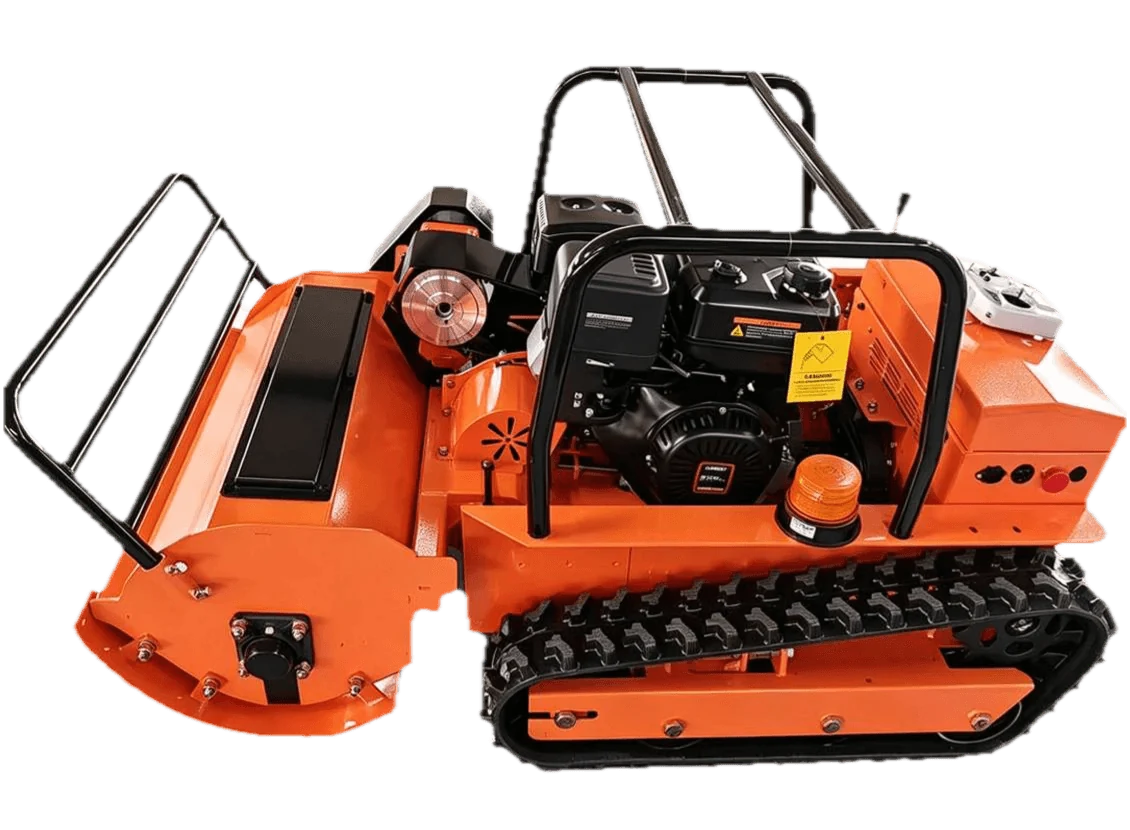
Does a code for a walk-behind mower automatically apply to a remote machine? No. A code applied to a walk-behind mower reflects that machine's characteristics and the tariff text at the time. A remote-controlled machine has a different control arrangement, and its classification must be assessed on its own facts by a qualified professional. A walk-behind ruling is a reasoning example, not a transferable answer.
Are an incomplete machine and separately imported parts always treated identically? No. The tariff treatment of incomplete or unassembled goods depends on the applicable rules and the specific facts, and CBP N351254 shows the as-entered configuration being distinguished from separately imported parts. Describe the degree of assembly and what ships in which line, then let your broker assess it.
Do old ruling duty rates establish current charges? No. A ruling reflects the facts and tariff situation at its date. Duty depends on classification, origin, entry date, and current measures, including Chapter 99 provisions. Confirm the current position with your broker using current official sources rather than relying on an older rate.
Conclusion
Document the machine as entered, keep classification, origin, and duty as separate questions, and hand the pack to a qualified broker. Confirm the current HTS before filing, not after.