

 By Anna
You are specifying a replacement hose for a remote-controlled mower or checking whether a hose on a commercial machine is still fit for service. Two numbers on the same data sheet look similar but answer different questions: one describes a permitted operating limit, the other describes a destructive test result. Confusing them is a specification error, not a rounding difference.
Working pressure is the pressure a hose assembly is rated to withstand in service, under the conditions the manufacturer states. Burst pressure is the pressure at which the hose is destroyed in a test. Burst pressure is not an operating rating, and you cannot divide it by a factor you chose yourself to create one.
This article separates the two terms using published definitions from Parker's hydraulic hose technical handbook and Dixon's guidance on hose assembly pressure ratings, then explains why the rating belongs to the complete assembly rather than the hose alone. It stays on the specification and handover side of the work: how to read a rating, what to ask a supplier, and where the boundary of qualified service begins. It does not give pressure-test procedures, repair steps, or a safe working pressure for any specific machine.
Hydraulic hose working pressure vs burst pressure: Define working pressure and destructive burst-test pressure
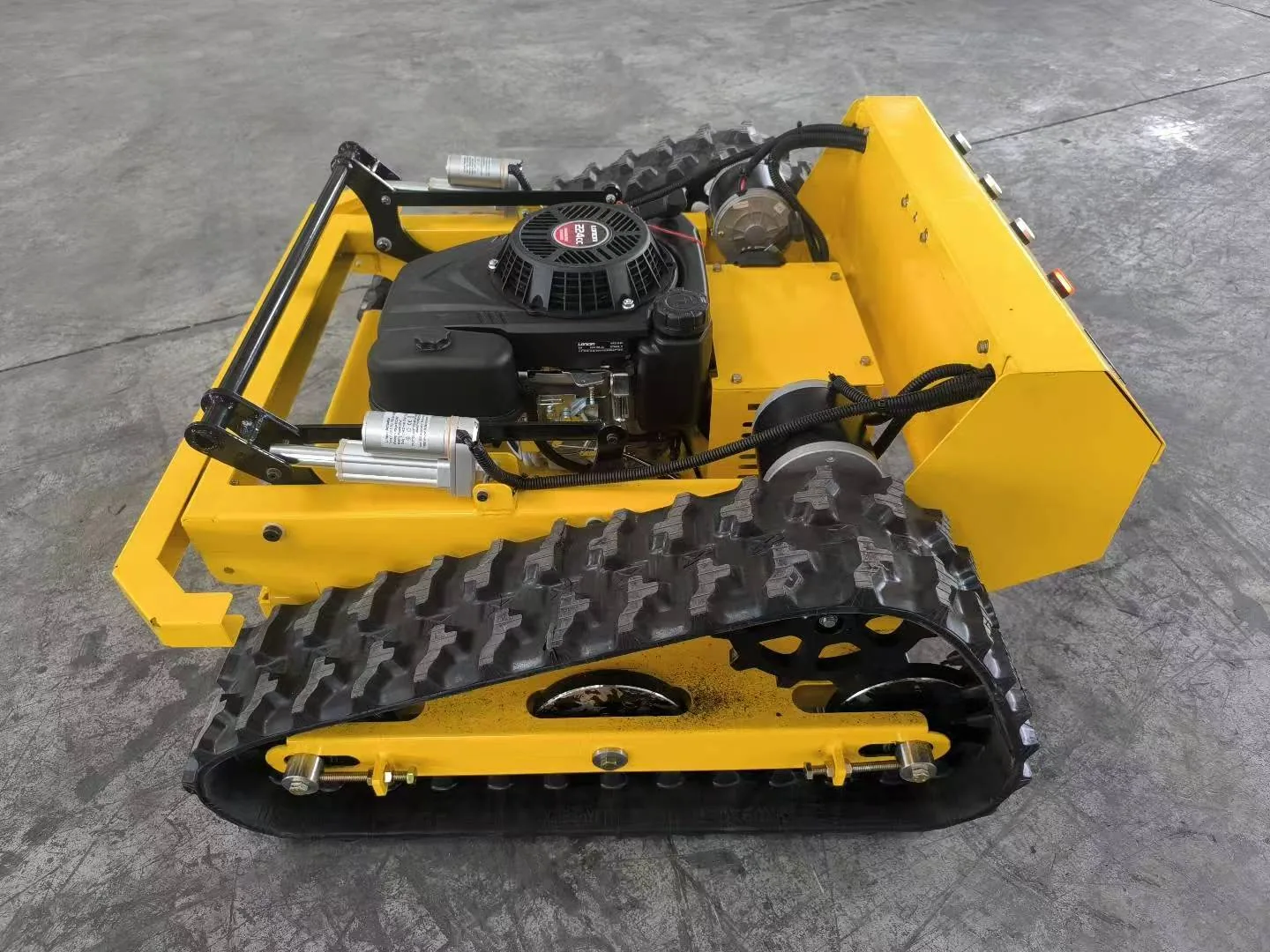
The practical difference is direction of travel. Working pressure is a ceiling for normal operation. Burst pressure is a floor for failure — the point a test is designed to reach, not a level a machine is designed to approach. A hose that has been taken to burst pressure is scrap, even if it briefly held.
When you compare a replacement hose against an original, the number you must match or exceed is the assembly's rated working pressure for the application, confirmed against the equipment manufacturer's requirement. The burst figure tells you how the product was qualified in testing. It does not tell you what the machine may do.
Use Parker's definitions with their stated conditions
Parker's hydraulic hose technical handbook, published by its Polymer Hose Division in Europe, sets out hose terminology and the conditions attached to it. The important editorial point is the phrase "with their stated conditions": a rating is not a free-floating number. It is tied to the hose construction, the fluid, the temperature range, the fitting system, the assembly method, and the standard or test method the manufacturer cites.
That has a direct consequence for parts selection. If you copy a pressure figure from a catalogue page but change the fitting, the assembly length, the fluid, or the operating temperature, you have not carried the rating across with the number. You have carried a number into a different assembly. The correct move is to confirm the rating for the assembly you are actually buying, from the party that assembled or rated it, under the conditions your machine presents.
Parker's handbook is a manufacturer's technical document. It describes Parker's terminology and its own product framework. It is not a regulation, and it does not set a legal limit for your site or your machine. Treat it as authoritative on the definitions and as a model for the questions you should ask about any hose you buy.
Do not reverse a test factor into an operating rating
A common shortcut is to take a burst figure, divide it by a factor, and call the result a working pressure. This is backwards. The relationship between working pressure and burst pressure is established by the manufacturer for a specific product and test basis; it is not a universal constant you can apply to an unknown hose.
Doing the division yourself produces a number with no traceable basis. It may be higher than the real rating, which is the dangerous direction. It may also be lower, which wastes money and may push you toward an oversized assembly that does not fit. Either way, the calculation has no standing in a parts record or a maintenance handover, because nobody can trace where it came from.
| Term | What it describes | How to use it in parts selection | What it does not tell you |
|---|---|---|---|
| Working pressure | The pressure the assembly is rated to withstand in service, under the manufacturer's stated conditions | Compare against the equipment manufacturer's stated requirement for that circuit | A margin for undocumented pressure spikes or a different fluid or temperature |
| Burst pressure | The pressure at which the hose fails in a destructive test | Evidence of how the product was qualified, if the test basis is stated | A permitted operating level, or a figure to divide down |
| Assembly pressure rating | The rating of the complete hose-and-fitting assembly as supplied | The figure to record and verify for the machine | That a hose marking alone rates the fittings |
| System pressure requirement | What the machine's hydraulic circuit actually demands | The reference point the assembly rating must satisfy | The assembly's own rating, which must be confirmed separately |
Consider the whole hose assembly and operating conditions

A hydraulic hose is rarely used as a bare tube. It is an assembly: hose, fittings, and the crimp or connection that joins them. Pressure acts on all of it. That is why the rating that matters for a machine is an assembly rating, and why a hose-only figure can mislead a buyer who is replacing a complete line.
Explain Dixon's lowest-rated-component rule
Dixon's published guidance on understanding hose assembly pressure ratings makes the point that an assembly is limited by its weakest rated element. The hose may carry one rating, the fittings another, and the connection method another. The assembly's usable rating is governed by the lowest of them, as determined by the party that rated the assembly.
For a parts buyer, this changes the checklist. Instead of asking "what is this hose rated to?", ask:
- What is the rated working pressure of the complete assembly being quoted?
- Which components set that limit?
- Was the assembly rated by the supplier, and against what basis?
- Does the rating cover the fluid and temperature range the machine sees?
- Is the fitting system the same one the equipment manufacturer specified, or an equivalent the supplier has rated?
If a supplier can only quote a hose rating and cannot state an assembly rating, you do not yet have the number you need. That is a documentation gap, not a reason to assume the hose figure applies to the finished line.
Account for temperature and pressure spikes only as documented
Hydraulic circuits do not hold a single steady pressure. Valves shift, loads change, and the circuit can see short peaks above its normal working level. Temperature changes the behaviour of the hose materials and the fluid. Both effects are real, and both are reasons to rely on documented ratings rather than on a mental estimate.
Application review
Discuss your mowing application.
Share the working condition, target market, product family and project scope.
The discipline is to use only what is documented. If the equipment manufacturer states a system pressure and a temperature range, that is your requirement. If the hose assembly supplier states a working pressure at a defined temperature, that is your rating — at that temperature. Where the two documents do not cover the same conditions, the gap is a question for the supplier or the equipment manufacturer, not something to close with an assumption.
This is also why a hose that looks fine can still be the wrong part. Visual condition and pressure rating are separate questions. A hose in good cosmetic shape may be under-rated for the circuit; a correctly rated hose may be worn and due for replacement. Both checks belong in the same handover record.
| Check before ordering a replacement | Why it matters | Where the answer should come from |
|---|---|---|
| Machine model and circuit | Ratings are machine- and circuit-specific | Equipment identification plate and manual |
| Required system pressure | The assembly must satisfy the machine's demand | Equipment manufacturer's documentation |
| Assembly rated working pressure | The figure that must meet the requirement | The party that rated the assembly |
| Fitting type and connection | Fittings can set the assembly limit | Assembly supplier, matched to the machine |
| Fluid and temperature range | Ratings are conditional | Equipment manual and assembly supplier |
| Test or qualification basis | Makes the rating traceable | Assembly supplier's documentation |
Keep identification and repair work within qualified service

Reading a rating is an information task. Replacing a hose, deciding whether a leaking line is safe, and pressure-testing a circuit are service tasks with their own competence and equipment requirements. The line between the two is where most of the practical risk sits, and it is worth stating plainly for anyone coordinating commercial equipment.
Do not perform field pressure tests or handle a suspected pressurized leak
A hydraulic circuit under pressure stores energy. A pinhole leak can release fluid at high velocity, and a hose taken to its burst point releases that energy suddenly. Field pressure testing to "see where it fails" is not a diagnostic step a parts buyer or site coordinator should arrange, and a suspected pressurized leak is not something to investigate by hand, by feel, or by wiping.
The correct response to a suspected leak is procedural: keep people clear, follow the equipment manufacturer's shutdown and isolation instructions, and route the work to qualified service personnel with the right equipment. Do not loosen a fitting to check whether pressure is present. Do not substitute a visual inspection for a documented isolation step. These are not cautions about being careful; they are the boundary between the information work in this article and the service work that belongs elsewhere.
Use the actual equipment and assembly manufacturer instructions
The documents that govern are specific. The equipment manufacturer's manual for your exact model and configuration defines the circuit, the required hose, and the isolation procedure. The assembly supplier's documentation defines the rating of the part you are buying. Neither substitutes for the other, and neither can be replaced by a general article, including this one.
Super Mowers' public product pages for some remote-controlled machines describe hydraulic configurations at a general level. Those pages do not establish the hose grade, the assembly rating, or the pressure limits of any particular machine, and this article does not claim they do. For a specific unit, the rating must come from that unit's documentation and the supplier of the replacement assembly.
A practical handover record for a hose replacement should capture the machine identity, the circuit, the assembly part number and its rated working pressure, the source of that rating, the fitting type, and the date and person responsible for the work. That record is what lets the next person verify the part without repeating the whole investigation — and it is the same discipline described in our note on fleet reporting for engine oil leaks, applied to a different system.
FAQ

Is burst pressure a permissible operating pressure? No. Burst pressure is the pressure at which the hose fails in a destructive test. It describes how a product was qualified, not a level a machine may operate at. The operating figure is the assembly's rated working pressure, confirmed for your conditions.
Can the hose marking alone rate the whole assembly? No. A marking on the hose describes the hose. The assembly includes fittings and the connection between them, and Dixon's guidance notes that the assembly is limited by its lowest-rated component. Ask for the assembly rating, not just the hose rating.
Do pressure spikes and temperature matter? Yes, and they are why ratings are conditional. Circuits see short peaks and temperature changes, and hose ratings are stated at defined conditions. Use the equipment manufacturer's stated requirement and the assembly supplier's stated rating, and treat any mismatch in conditions as a question to resolve before ordering.
Conclusion

Match the assembly's rated working pressure to the machine's documented requirement, and treat burst pressure as test evidence only. Confirm the rating with the supplier and record it before the part goes on.
Video: Hydrostatic Testing - What's the difference between a functional/proof/burst/fatigue test?
