


 By Anna
A parts counter request for a "rear roller or skid shoes" can stall when the machine in the yard does not match the assumption behind the question. Two flail mowers of similar width may use different ground-support arrangements, and the correct replacement part depends on what the manufacturer actually built and documented for that model.
The flail mower roller vs skid shoes question is not a contest between two versions of the same part. A rear roller and skid shoes are not the same component under two names. A roller is a rotating ground-contact part that can be tied to cutting-height setting on some named machines; skids or side shoes are fixed support and protection elements. Either may be present, optional, or replaced by another arrangement, so confirm the exact model and parts diagram before ordering.
This article is written for fleet maintenance staff, dealer after-sales teams, and parts buyers who need to identify what is on a machine and order against it. The examples below come from named published sources: a Blue Diamond standard-duty tractor flail mower manual, BCS flail mower accessory information, and a Betstco FH/EF series manual supplied as supplementary material. Each example describes only the equipment that source covers. None of them establishes the configuration of a Super Mowers model, and this batch of material does not confirm that any particular Super Mowers machine ships with a roller, skids, casters, or a combination.
Flail mower roller vs skid shoes: Identify whether the actual flail mower uses a roller, skids, casters or a manufacturer-approved combination

The first job is not to decide which part is better. It is to establish what the delivered machine has, because the answer changes the part number, the cutting-height method, and the maintenance record. Start from the machine itself and the paperwork that came with it, then confirm against the model-specific manual and parts list.
Identify the delivered ground-support parts
Walk the machine and record what actually touches or limits the ground. A rear roller is typically a cylindrical drum carried across the rear of the deck on a shaft and bearings. Skids or side shoes are usually fixed plates or runners at the sides or ends of the deck. Casters, where used, are wheels on a support assembly. These are different parts with different mounting points, and a photograph of one machine should never be used to order for another.
A practical identification record should capture the model and serial number, the deck width, whether a rear roller is fitted and its dimensions, whether side skids are fitted and their mounting pattern, and whether any caster assembly is present. Note also whether the manual describes any of these as standard, optional, or an alternative configuration. That last point matters most, because a machine can be correct as delivered while differing from a sibling unit.
Verify optional and alternative configurations
Options and alternatives are where most ordering errors begin. A configuration table built from the actual manual is more reliable than a memory of what the last unit had. Where the source does not state a fact, record it as a question to confirm with the manufacturer or dealer rather than filling the gap with an assumption.
| Item to confirm | What to record | Why it matters for parts |
|---|---|---|
| Exact model and serial number | Full model code and serial from the plate | Parts lists are model-specific; near-identical decks can differ |
| Rear roller | Fitted or not; dimensions and mounting points | Roller assemblies, shafts, and bearings are separate line items |
| Skids or side shoes | Fitted or not; left/right part numbers; mounting pattern | Skids are handed and bolt-pattern specific on many machines |
| Casters | Fitted or not; assembly part number | Caster assemblies are not substitutes for rollers |
| Manual status of each item | Standard, optional, or alternative per the manual | Prevents ordering an option the machine was not built with |
| Cutting-height method | How the manual says height is set on this model | Height may be set by roller, skids, or another adjustment |
Compare the roles of roller height support and skid or side protection in named Blue Diamond documentation
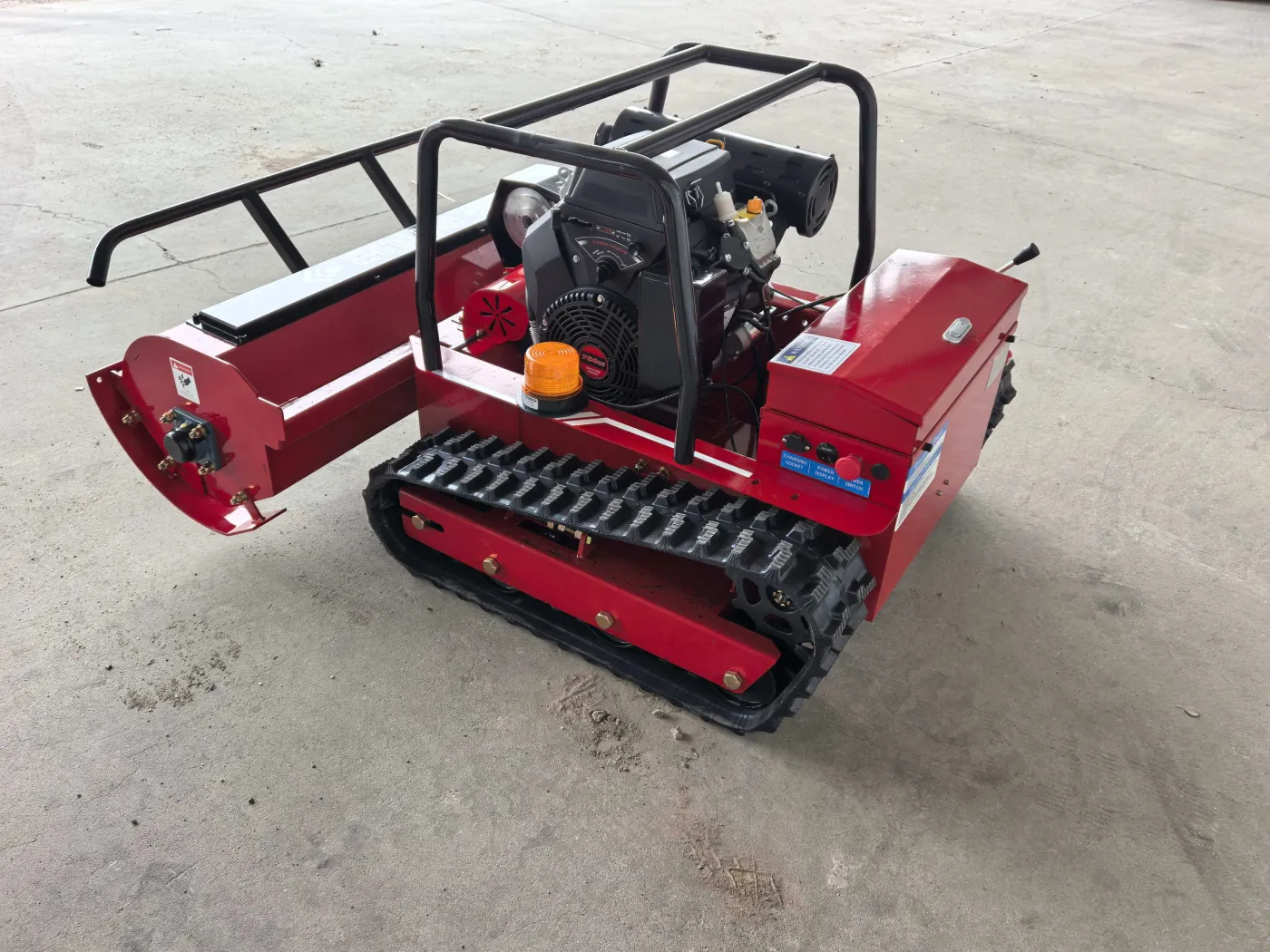
The Blue Diamond standard-duty tractor flail mower manual is a useful named example because it treats the rear roller as part of how the machine is set up, rather than as a decorative add-on. The lesson for a parts buyer is that the roller can carry a functional role in height setting on that equipment, which is why replacing it with an unrelated part is not a neutral swap.
Read the named roller support example
In that manual, the rear roller is described in relation to cutting height, with height adjustment tied to the roller position. That is a statement about the Blue Diamond standard-duty tractor flail mower covered by that document. It is not a statement about every flail mower, and it is not a Super Mowers specification. Read the exact wording in the manual revision you hold, note the revision date, and record which adjustment points the manual identifies.
For a fleet, the practical consequence is that roller condition belongs in the pre-season inspection. A roller that is worn, damaged, or incorrectly set can affect how the machine presents its cutting height on that model. The inspection record should note roller condition, bearing condition where the manual covers it, and whether the height setting matches the intended job. Do not transfer a height figure from the Blue Diamond manual to another brand; use each machine's own documentation.
Distinguish a skid's documented role
Skids and side shoes are commonly described as ground-support and protection elements at the sides or ends of the deck. Their documented role is not automatically the same as a roller's height-setting role. On some equipment they limit how far the deck edge can drop or protect the deck structure; on others they are described differently. The honest position is that the role must be read from the specific manual, not inferred from the shape of the part.
This distinction matters when a customer asks whether a skid can "do the same job" as a roller. On the Blue Diamond example, the roller is tied to height setting. A side skid described as protection or support is not documented there as a height-setting substitute. That does not make skids inferior; it means the two parts answer different questions, and the parts list should be read accordingly.
Contrast the BCS example where a roller replaces skids or casters on a named attachment
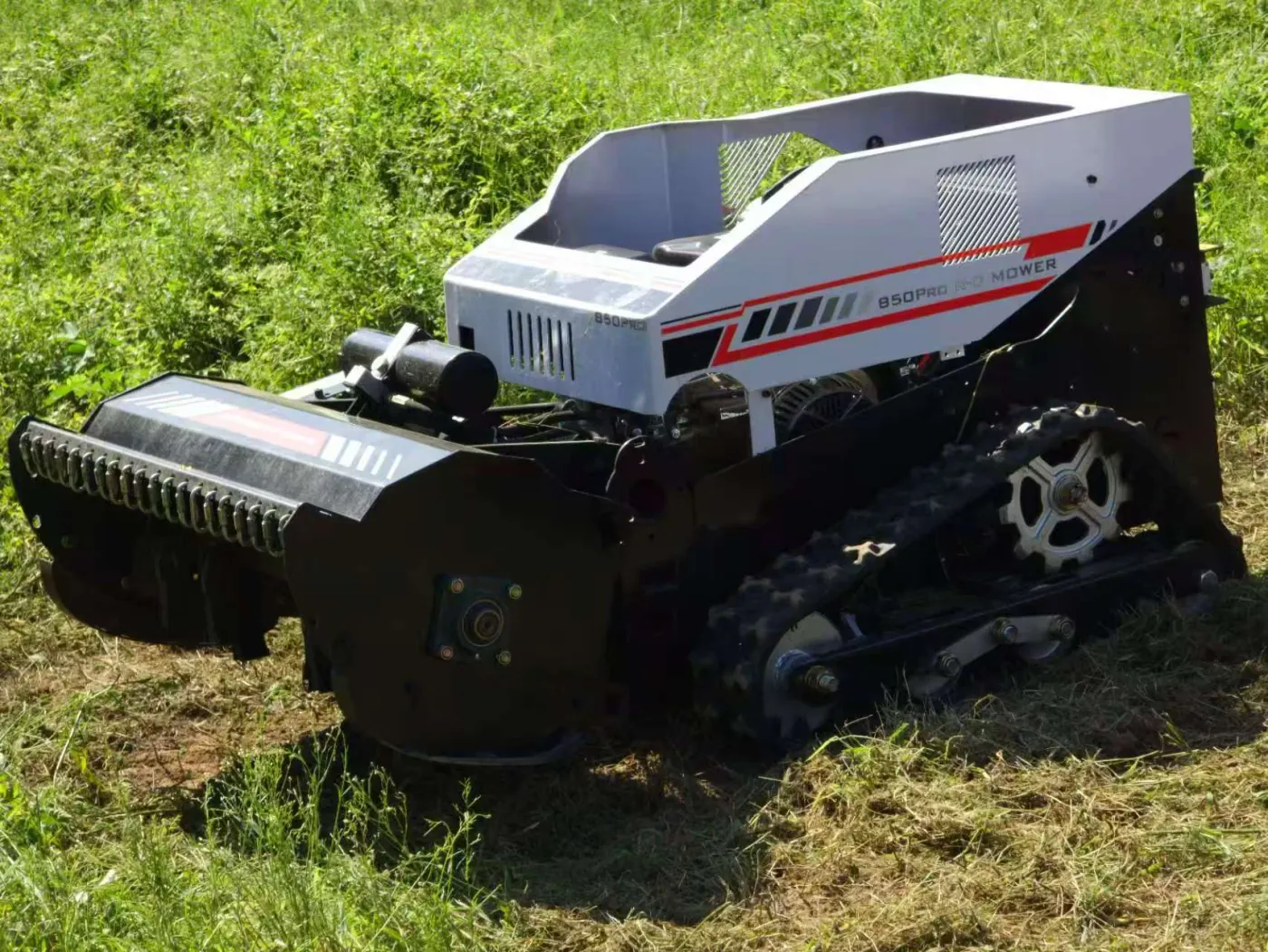
The BCS flail mower accessory information shows the opposite pattern: a roller offered as an alternative to skids or casters on a named attachment. This is the clearest evidence that roller and skid arrangements are configuration choices on some equipment, not a universal pair that always appears together.
Explain the BCS roller replacement option
In the BCS accessory listing, a roller is presented as an option that can replace skids or casters on the attachment described there. For a dealer or parts buyer, the takeaway is procedural: when a customer says the machine "should have a roller," check whether the roller is an alternative to the parts currently fitted, and whether the attachment was originally supplied with skids or casters. Ordering a roller for a machine built with skids may be correct as an upgrade on that attachment, or may be wrong for the machine in front of you; the accessory page and the attachment's own documentation decide which.
Application review
Discuss your mowing application.
Share the working condition, target market, product family and project scope.
Record the change if a roller is fitted in place of skids or casters. A fleet handover note that says "roller fitted, skids removed" prevents the next person from ordering skids to replace parts that are no longer on the machine, and it keeps the maintenance history coherent.
Do not imply every roller and skid coexist
The Blue Diamond and BCS examples together show why a single rule fails. One named manual ties a rear roller to height setting on its machine. One named accessory listing offers a roller as an alternative to skids or casters on its attachment. Neither source says that every flail mower carries both a roller and skids, and neither supports a blanket statement that the parts are interchangeable.
| Named source | Equipment covered | What the source shows about ground support | What it does not establish |
|---|---|---|---|
| Blue Diamond standard-duty tractor flail mower manual | The standard-duty tractor flail mower in that manual | Rear roller described in relation to cutting-height setting | Configuration of other brands or models; skid interchangeability |
| BCS flail mower accessories page | The BCS attachment described there | Roller offered as an alternative to skids or casters | That all BCS attachments use this arrangement; Super Mowers configuration |
| Betstco FH/EF series manual (supplementary) | The FH/EF series equipment it covers | Model-specific parts and setup information for that series | Any other series or brand |
Find the model-specific parts diagram and distinguish a support component from bearing lubrication

Once the configuration is known, the parts diagram is the controlling document for identification. It shows how the manufacturer breaks the assembly into orderable items, and it separates structural support parts from wear parts such as bearings and seals. Using the right diagram prevents the common error of ordering a roller assembly when only a bearing or a skid plate is needed.
Use the exact parts diagram
Match the diagram to the model and, where the manual provides one, the serial number range or revision. Read the item numbers on the drawing against the parts list rather than matching by appearance. A roller may appear as a drum, a shaft, end plates, bearings, and fasteners, each with its own number. A skid may appear as a handed plate with its own bolt set. Casters appear as their own assembly. If the diagram does not match the machine, stop and confirm with the manufacturer or dealer before ordering.
A simple identification sheet helps the counter and the workshop agree. It should list the machine, the diagram revision used, the item numbers identified, and the quantity required. Attach a photograph of the actual part on the machine, but treat the photograph as supporting evidence, not as the part number.
Separate component role from bearing-lubrication records
A roller's support role and its bearing maintenance are two different records. The roller may be part of how cutting height is set on a given model, while the bearings are wear items with their own inspection and lubrication needs as described in that model's manual. Keeping these separate avoids two mistakes: assuming a lubrication entry proves the machine has a roller, and assuming a roller's presence removes the need to inspect its bearings.
A maintenance record can carry both fields without merging them. Record the ground-support configuration as a machine attribute, and record bearing inspection or lubrication as a service event with date and source reference. Where the manual does not state an interval, leave the field open and confirm rather than inventing a schedule. The same discipline applies to skids: record their condition and mounting security as a support item, and keep any separate fastener or wear checks distinct.
For broader fleet record keeping, the flail mower maintenance checklist and fleet record guidance is a useful companion, and teams reviewing cutting components alongside ground support may also want the comparison of hammer blades versus Y blades.
FAQ

Does every flail mower have both a rear roller and skids?
No. The named sources in this article show different arrangements. The Blue Diamond standard-duty tractor flail mower manual describes a rear roller in relation to cutting height, while the BCS accessory listing presents a roller as an alternative to skids or casters on the attachment described there. Neither supports a claim that every machine carries both. Confirm the configuration from the exact model's manual and the machine itself.
Are a roller and a skid interchangeable on every mower?
No. Interchangeability depends on the specific model and what its manufacturer documents. Where a roller is offered as an alternative to skids or casters, as in the BCS example, the change is defined for that attachment. Where a roller is tied to height setting, as in the Blue Diamond example, a skid is not documented there as a height-setting substitute. Treat any swap as a model-specific question for the manufacturer or dealer.
Does either guarantee that scalping cannot happen?
No. Neither a roller nor a skid should be presented as a guarantee against scalping. Ground contour, deck attitude, cutting height, and operating conditions all affect the result, and the sources here do not make a no-scalping promise for either part. Use the model's manual for setup and operating guidance, and record what the machine actually has.
Conclusion

Rollers and skids play different, model-specific roles. Identify the delivered configuration, read the exact manual and parts diagram, and order against item numbers rather than assumptions. Confirm any alternative arrangement with the manufacturer or dealer before purchase.