 By Anna
You are specifying a flail mower for a dealer order or a fleet replacement, and the quote lists "hammer blades" or "Y blades" as if the choice were a simple checkbox. The real question is narrower: which blade form does the actual cutter accept, and which one suits the material you intend to cut?
Blade shape describes a working style, not a machine capability. Before you order, confirm three things in writing: the exact rotor and mounting arrangement on the delivered unit, the part numbers for the blade and its fasteners, and the manufacturer's statement of which configurations that model supports. Only then compare hammer versus Y forms against the job.
This article is a verification guide for dealer and fleet buyers working through flail mower hammer blades vs y blades. It does not claim that any particular Super Mowers model accepts a given blade form, and it does not treat a blade name in a catalogue as proof of interchangeability.
Flail mower hammer blades vs y blades: Distinguish the blade forms
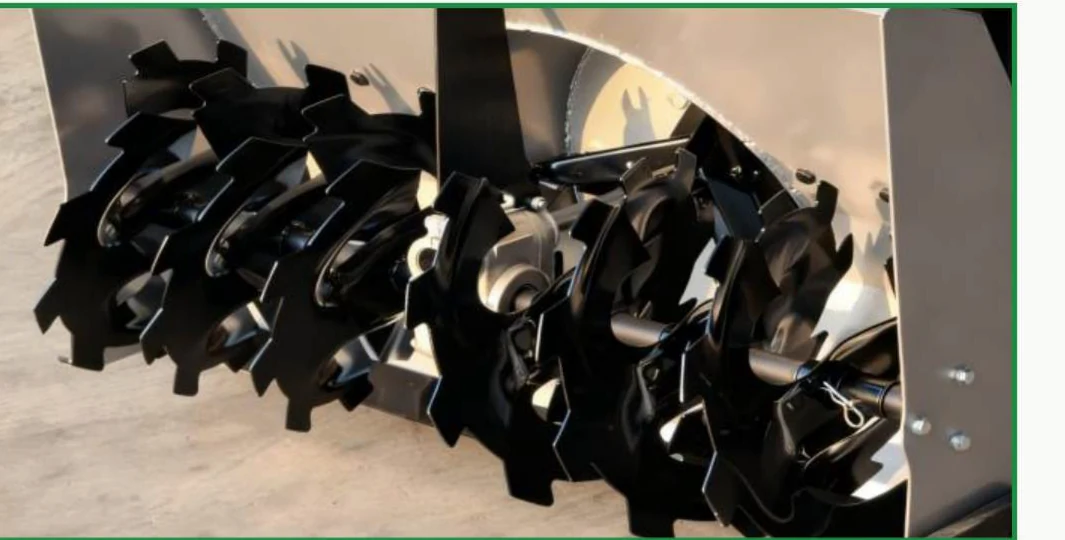
Start with vocabulary, because the two terms are often used loosely in listings. In flail mowing, blades hang from mounts on a horizontal rotor and swing outward as the rotor turns. The two common families differ in shape and, as a result, in how they meet the material.
A hammer blade is a heavy, broad, roughly rectangular or T-shaped piece. A Y blade is lighter and shaped like a Y or a fork, usually with two prongs. Vendor guides describe hammers as heavier and more suited to tougher, woody or stalky material, and Y blades as giving a cleaner cut on grass-type material. Those are descriptions of intended work, not measured performance guarantees. Treat them as a starting point for questions, not as a specification.
A third point matters for ordering: blade form is not the only variable. Blade weight, hole or eye size, mount type, spacing along the rotor, and the fastener that retains the blade all affect whether a blade can be fitted. Two blades that both look like hammers may be entirely different parts.
Identify the cutter and ask which configurations are offered
Before comparing shapes, identify the machine precisely. Record the model designation, the serial number or build reference, the rotor type, and the number of blade stations. If the unit is described as having a vertical flail blade system, that description tells you about the rotor orientation, not about which blade form is fitted or permitted.
Then ask the manufacturer a direct question: which blade configurations are offered for this exact model and build? Ask for the answer in writing, with part numbers. A catalogue page that shows one blade type does not establish that another type is available, and a dealer's assumption is not a manufacturer statement.
Record the material and finish the job calls for
Write down what the machine will actually cut: fine lawn grass, rough pasture, roadside grass with occasional saplings, crop residue, or woody prunings. Note the typical stem thickness, whether material is green or dry, and whether the site contains stones or debris. This record does two things. It gives the manufacturer enough information to advise on configuration, and it gives you a defensible basis for the order if the delivered machine does not match the intended work.
Compare the intended work
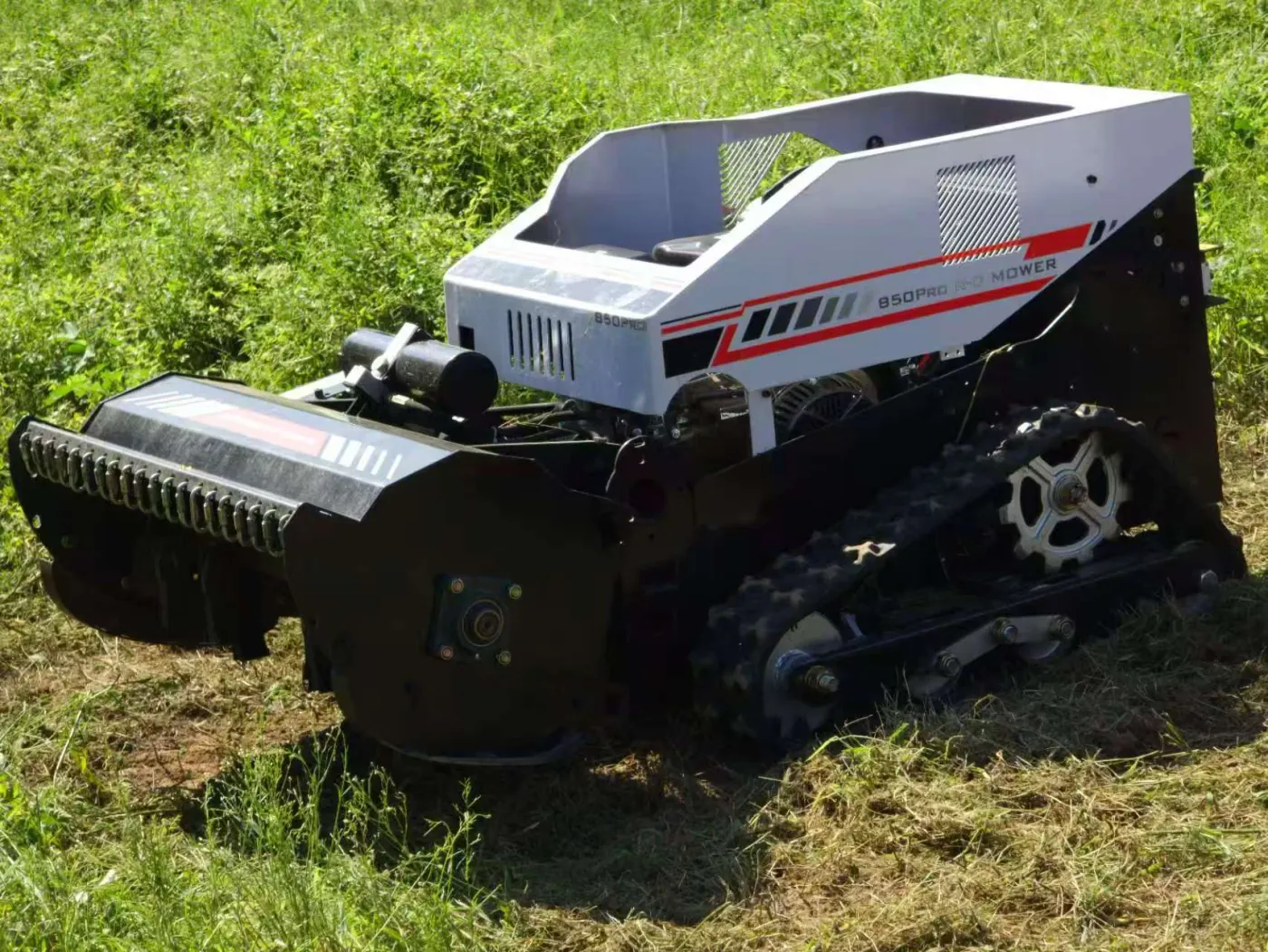
With the machine and the job identified, you can compare the two forms on the criteria that matter to a buyer: what they are intended to cut, how they are described in vendor literature, and what that literature does not tell you.
The comparison below summarises how vendor guides and general flail mower references describe the two forms. It is a qualitative comparison of intended use, not a table of measured capacity, and it does not establish what any specific model can do.
| Decision criterion | Hammer blades (as described in vendor guides) | Y blades (as described in vendor guides) | What the buyer must still confirm |
|---|---|---|---|
| Typical intended material | Tougher grass, stalks, light woody growth and rougher vegetation | Grass-type material where a cleaner finish is wanted | The manufacturer's stated intended use for the exact model |
| Cut character | Described as heavier and more mulching-oriented | Described as giving a cleaner, more even cut on grass | Whether the buyer's finish requirement matches the machine's design |
| Blade weight and rotor load | Heavier blade, which affects rotor load and drive demand | Lighter blade | Rotor and drive specification for the delivered unit |
| Debris and stone exposure | Heavier form is often described as more tolerant of rough ground | Lighter form may be more exposed to damage on rough ground | Site conditions and the manufacturer's guidance |
| Availability for a given model | Model-dependent | Model-dependent | Written confirmation of offered configurations and part numbers |
| Spare parts and fasteners | Model-specific | Model-specific | Part numbers for blades, mounts and fasteners in the spares list |
Read the table as a list of questions, not answers. The right-hand column is where the purchasing decision actually gets made.
Compare vegetation and site conditions without universal capacity claims
It is tempting to convert the general descriptions into rules: hammers for everything rough, Y blades for everything fine. That shortcut fails for two reasons. First, blade form is one part of a system that includes rotor speed, drive power, forward speed, cutting height and the machine's structure. Second, vendor descriptions are general, and a manufacturer may offer only one form for a given model.
A more reliable approach is to describe the site in the buyer's own terms and ask the manufacturer to match a configuration to it. For a fleet, this means grouping machines by the work they actually do: fine-turf units, rough-cut units, and units exposed to debris. Then confirm that each group's specified blade form is offered for that model. If a machine will move between tasks, ask whether the manufacturer permits a change of blade form, and under what conditions.
Treat vendor examples as examples, not warranties
Published guides on hammer versus Y blades are useful for orientation. They explain the shapes, describe typical applications, and sometimes show photographs. They are not statements about your machine. A guide that says hammers suit rough vegetation does not confirm that a specific mower is rated for that vegetation, and a photograph of a rotor does not confirm the blade spacing or mount type on the unit you will receive.
Use these sources to build your question list. Use the manufacturer's written confirmation, the parts list and the manual for the actual model to make the decision.
Check physical compatibility before ordering
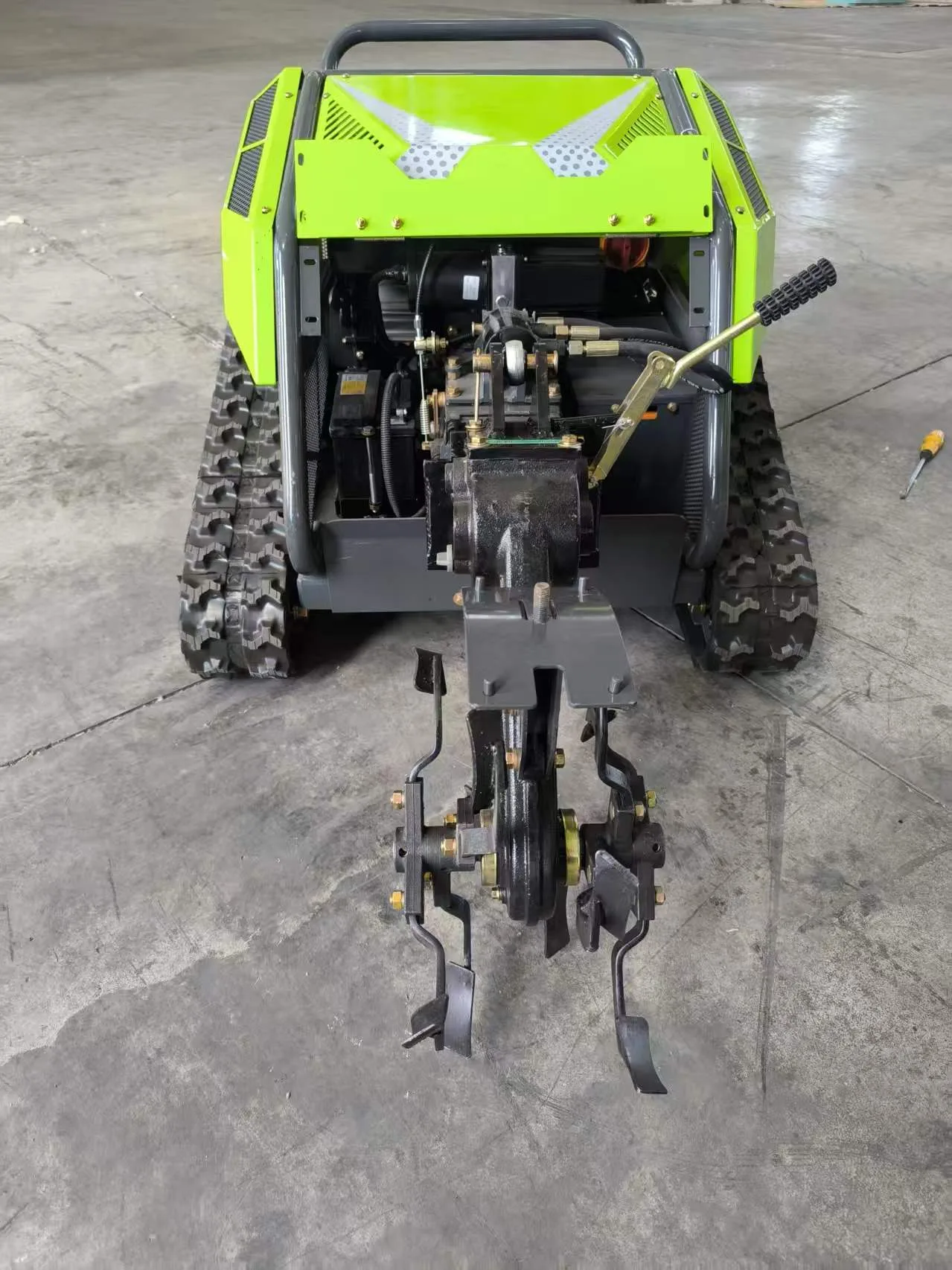
This is the section that prevents most ordering errors. Two blades can share a name and still not fit the same machine. Physical compatibility is established by the rotor, the mount, the part number and the documentation, in that order.
Application review
Discuss your mowing application.
Share the working condition, target market, product family and project scope.
Verify rotor, mounts, part number and supplied documentation
Work through the following checks with the manufacturer or an authorised parts source:
- Rotor type and orientation. Confirm the rotor design and whether the model is described as a vertical flail system or another arrangement. Record the description exactly as the manufacturer states it.
- Mount and attachment. Confirm how the blade attaches: the mount type, the retaining pin or bolt, and any spacer or bushing. Ask for the part numbers of each item.
- Blade part number. Ask for the blade part number for the specific model and build, not a generic family number. Confirm the quantity required per rotor.
- Fastener part numbers. Blades are retained by specific hardware. Confirm the correct pin, bolt, nut or clip, and whether these are supplied with the blade or ordered separately.
- Documentation. Ask for the relevant pages of the parts list and the operator's manual for the delivered model, showing the blade configuration and the service information.
- Revision. Ask whether the model or blade specification has changed, and which revision applies to your order.
If any of these cannot be confirmed, the configuration is unverified. An unverified configuration should not be written into a purchase order as a firm specification.
Ask whether the delivered model supports either form
The central question for a dealer or fleet buyer is simple: does the exact model being delivered support hammer blades, Y blades, or both? The answer must come from the manufacturer and must refer to the model and build, not to the product family.
Ask it as a written question with a written answer. For example: "For model [X], build reference [Y], confirm which blade forms are offered, the part numbers for each, and whether changing between forms is permitted. Confirm the fasteners required for each." Keep the reply with the order file. If the answer is that only one form is offered, that settles the choice: the buyer's job is then to confirm that the offered form suits the intended work, or to select a different model.
Keep a blade decision record

A blade decision record is a short document that ties the chosen configuration to the actual machine and to the quote. It protects the dealer at handover and the fleet manager at service time, when the person ordering spares may not be the person who placed the original order.
Link configuration and quote revision to the actual unit
The record should identify the machine by model and serial or build reference, state the blade form and part numbers, list the fasteners, and reference the quote revision and date. If the manufacturer confirmed the configuration in writing, attach that reply. If the machine is one of several in a fleet, record the unit identifier so that spares are ordered against the right machine.
A simple structure works:
| Record field | What to enter |
|---|---|
| Unit identifier | Model, serial or build reference, fleet number |
| Rotor description | Manufacturer's exact wording, e.g. vertical flail blade system |
| Blade form and part number | As confirmed by the manufacturer |
| Fasteners | Part numbers for pins, bolts, nuts or clips |
| Quantity per rotor | As stated in the parts list |
| Source of confirmation | Manufacturer reply, parts list page, manual revision |
| Quote reference | Quote number, revision and date |
| Intended work | Vegetation type and site conditions recorded at purchase |
Confirm service and spares with the manufacturer
Before the order is placed, confirm how blades and fasteners will be supplied over the life of the machine. Ask which part numbers are stocked, whether the blade form can be changed later and what that requires, and which manual revision covers the service information. For a fleet, ask whether spares are supplied per unit or per model, and record the answer.
This step is not about predicting wear. It is about ensuring that the configuration you buy can be maintained with the parts the manufacturer actually lists for it.
Frequently asked questions
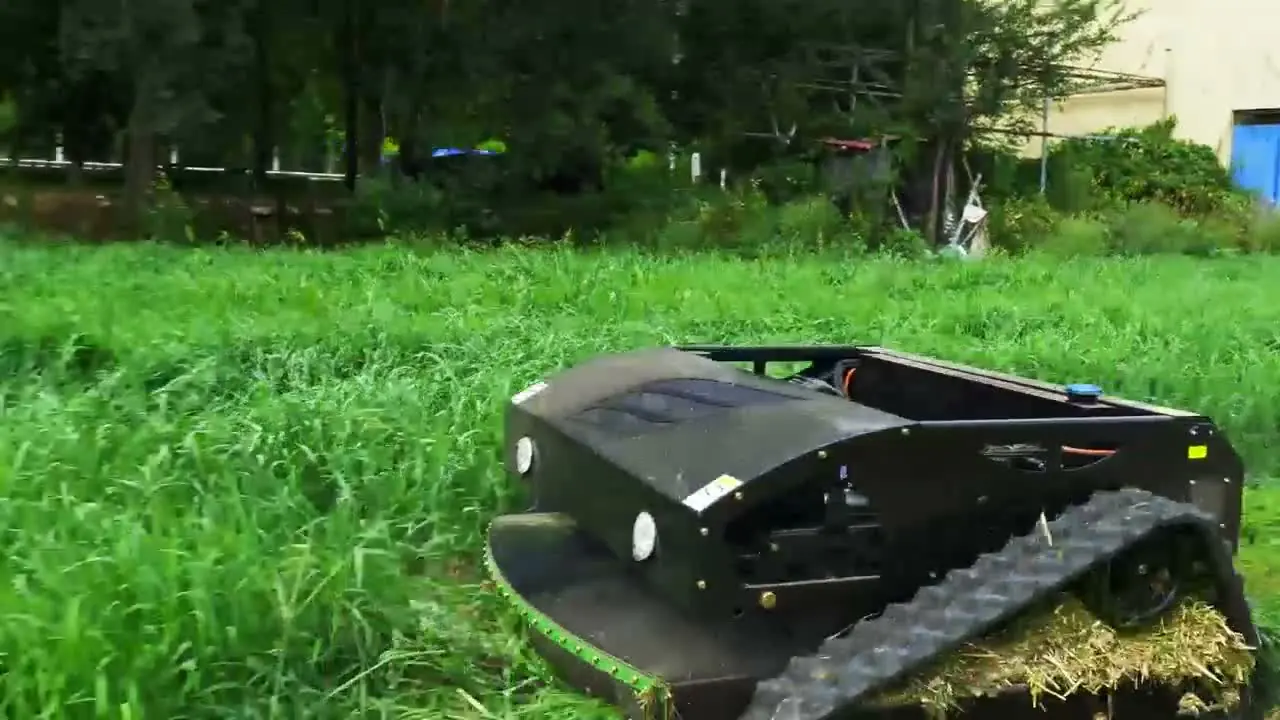
Can hammer blades and Y blades be swapped on every flail mower? No. Interchangeability depends on the rotor, the mounts, the fasteners and the manufacturer's specification for that model. Some models may be offered with one form only. Confirm with the manufacturer for the exact model and build before ordering, and do not assume that a shared blade name means a shared fit.
Does the blade shape alone establish cutting capacity? No. Blade shape is one element of a system that also includes rotor design, drive power, forward speed, cutting height and machine structure. Vendor descriptions of hammer and Y blades indicate intended work, not measured capacity. Capacity claims should come from the manufacturer for the specific model.
What documents should accompany a blade order? At minimum: the manufacturer's written confirmation of the offered configuration for the model and build, the blade and fastener part numbers, the quantity per rotor, the relevant parts list or manual pages, and the quote revision. Keep these with the unit record so that later spares orders match the delivered machine.
For background on how flail cutting differs from rotary cutting, see the Super Mowers flail versus rotary comparison, and browse current Super Mowers models. Confirm blade configuration for any specific model directly with the manufacturer before ordering.
Conclusion
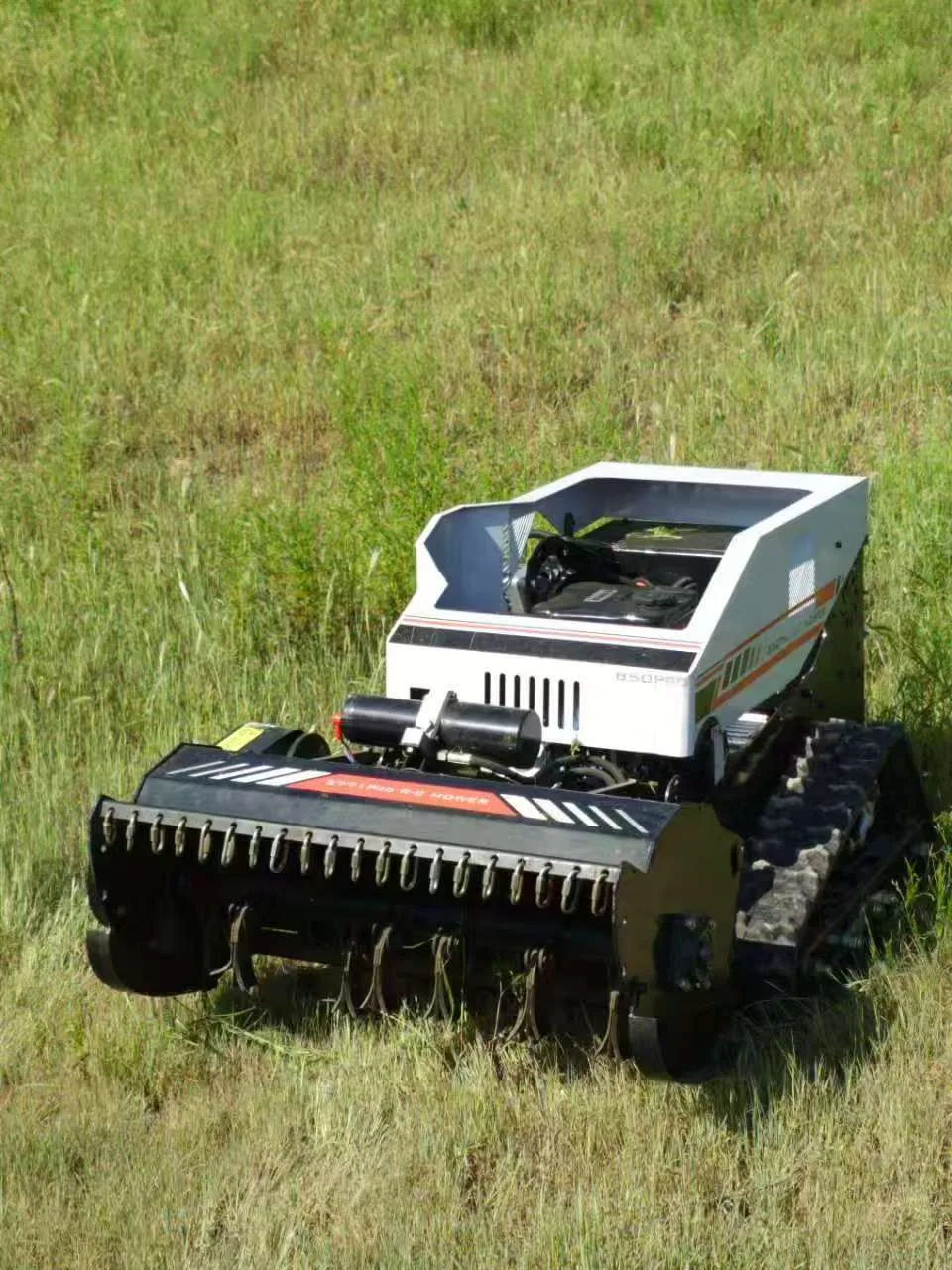
Blade names describe working styles, not machine capability. Confirm the rotor, mounts, part numbers and written configuration for the exact unit, then match the offered form to the job.
Video: HAMMER BLADES VS Y BLADES! HOW DO DIFFERENT BLADES CUT? FLAIL MOWER FIELD TEST!
