


 By Anna
You are importing mower equipment and the quote says DAP or DPU. Before you approve it, you need to know who is expected to get the crates off the truck at your yard, and where risk actually passes to you. The dap vs dpu unloading machinery question looks narrow, but the two terms split exactly at the unloading point.
Under Incoterms 2020, DAP leaves unloading to the buyer, while DPU requires the seller to unload at the named place. Neither term tells you which forklift, ramp, or crane will be used. That must be confirmed separately in the contract, the delivery plan, and the receiving site's own arrangements.
Dap vs dpu unloading machinery: Identify the destination and delivery point

The first practical step is not choosing between DAP and DPU. It is writing down exactly where delivery is supposed to end. "Delivered to your facility" is not a delivery point. "Delivered to the loading dock at 1420 Industrial Drive, Bay 3, during staffed receiving hours" is.
For machinery, this distinction matters more than for palletized consumer goods. A mower shipment may arrive as crated units, as a machine on a pallet, or in a combination that needs a specific handling method. The delivery point determines whether the truck can reach the dock, whether a liftgate is needed, whether the crate fits through the door, and whether the receiving team has equipment on hand at the right time.
Identify named place and version
Incoterms rules only work when a named place is attached. DAP and DPU are both followed by a place: DAP Houston, DPU buyer's yard in Ohio, and so on. The ICC's own comparison of DAP and DPU makes this explicit by using named-place examples rather than abstract descriptions (ICC Academy).
Two checks belong in every quote review:
- Rule version. Incoterms 2020 is the current edition. A contract that says only "DAP" without a version leaves room for argument about which edition applies. State "Incoterms 2020" in the sales contract.
- Place precision. Name the city and, where relevant, the terminal, warehouse, dock, or site. "DAP US" is not a named place in any useful sense.
A named place also carries an implicit question: is that place one the seller can actually reach under the chosen term? If the seller's carrier cannot enter your yard, or if your yard has no dock, the named place needs to be somewhere the handover can physically happen.
Separate delivery from unloading

Delivery and unloading are different events, and mixing them is the most common source of confusion in machinery imports. Delivery is about when the seller has performed its delivery obligation and when risk passes. Unloading is a physical operation that needs people, equipment, time, and sometimes money.
A term can allocate the delivery obligation without describing the unloading method. That is why a DAP or DPU label alone cannot answer "who brings the forklift?" The term tells you which party is responsible for the unloading step; it does not specify the machine, the labor, the insurance, or the site conditions.
Distinguish delivery before and after unloading
Under DAP, the seller delivers when the goods are placed at the buyer's disposal at the named place, ready for unloading. The buyer then unloads. Under DPU, the seller delivers only once the goods have been unloaded at the named place. In practical terms, the risk handover moves by one step: before unloading under DAP, after unloading under DPU.
That single step changes who bears the cost and consequence of an unloading accident, a dropped crate, or damage during the lift. It does not change who owns the physical task of preparing the site, and it does not guarantee that the seller has suitable equipment. A seller that agrees to DPU has accepted an unloading obligation; whether it can perform that obligation safely at your specific site is a separate commercial and operational question.
| Question | DAP | DPU |
|---|---|---|
| Who unloads at the named place? | Buyer | Seller |
| When does delivery occur? | Goods placed at buyer's disposal, ready for unloading | Goods unloaded and placed at buyer's disposal |
| Where does risk typically pass? | Before unloading | After unloading |
| Does the term name the unloading equipment? | No | No |
| Does the term fix the unloading cost? | Not by itself | Not by itself |
| What must still be agreed in writing? | Site access, receiving plan, who unloads and how | Site access, unloading method, equipment, labor, cost |
This table reflects the general allocation in Incoterms 2020 as described by the ICC. It is not a substitute for the contract text, and it does not resolve site-specific feasibility.
Compare DAP and DPU using ICC guidance
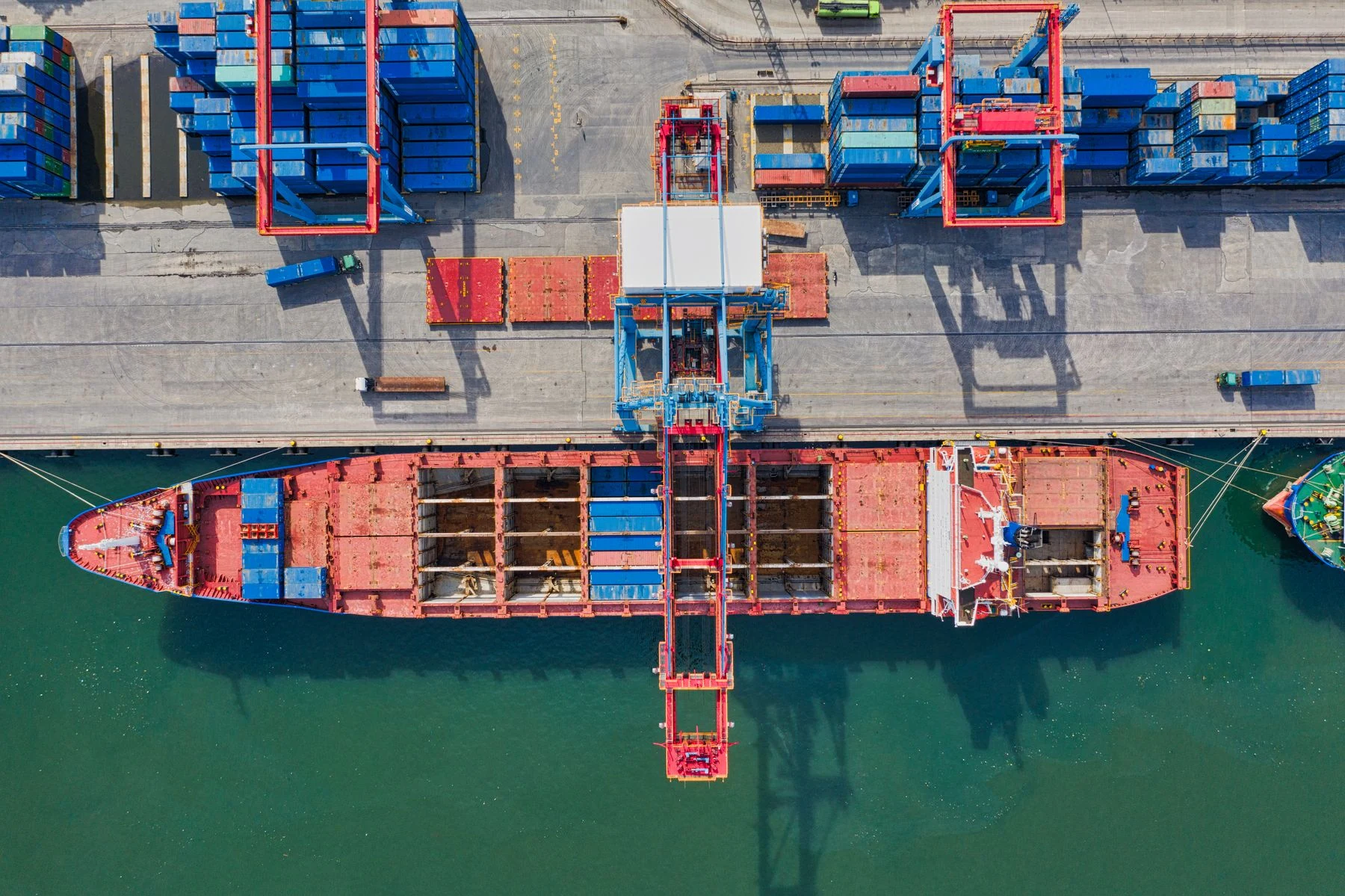
The ICC's comparison article is useful because it does not stop at definitions. It pairs each term with a named-place scenario, which is exactly the discipline a machinery importer needs. The point of those examples is that the named place and the unloading arrangement drive the commercial outcome, not the three-letter label on its own.
Read the ICC named-place case
The ICC article contrasts a DPU delivery at a cold terminal in Le Havre with a DAP delivery at Changi Airport. In the DPU example, the seller's obligation extends through unloading at the named terminal. In the DAP example, delivery is complete when the goods are placed at the buyer's disposal at the named airport, and the buyer handles what follows.
For a mower importer, the lesson is structural rather than literal. The ICC examples are not mower shipments, and they are not Super Mowers shipments. They show how the same pair of terms produces different operational duties depending on where the named place sits in the transport chain. A terminal with its own handling equipment is a different proposition from a buyer's yard with a single dock and no forklift.
The ICC also publishes an Incoterms 2020 checklist, updated in 2024, which is a practical prompt for confirming the rule, the named place, and the allocation of costs and obligations in the contract (ICC checklist). Use it as a checklist, not as a substitute for reading the actual contract language.
Logistics commentary adds a further practical distinction: the term governs the sales contract between buyer and seller, while the carriage contract between the seller and the freight forwarder may allocate costs differently (PortLogics). A DPU sale can still involve a freight arrangement in which unloading is billed back to someone else. The two contracts need to be read together, not assumed to match.
Application review
Discuss your mowing application.
Share the working condition, target market, product family and project scope.
Check equipment, costs and written responsibilities

Once the term and the named place are fixed, the remaining work is operational. The receiving site needs to answer a short set of questions before the shipment arrives, and the answers should be written into the delivery plan rather than left to the driver.
Start with access. Can the delivering vehicle reach the unloading position? Is there a dock, a ramp, or only a curb? Is there overhead clearance for a liftgate or crane boom? Is the ground surface stable enough for a loaded forklift? These are site facts, not term facts, and they determine whether the agreed unloading method is even possible.
Then confirm the equipment and labor. Who supplies the forklift or crane? Who operates it? Is the operator trained and insured for that task? Who pays for the equipment time if the truck is delayed? Under DPU, the seller is responsible for unloading, but the seller may still need the buyer to provide site access and a safe working area. Under DAP, the buyer unloads, but the buyer may still need the seller's carrier to position the vehicle appropriately.
Finally, confirm the cost boundary. Unloading charges, waiting time, liftgate fees, and any special handling for heavy crates should be listed explicitly. Do not assume that a DPU price includes every unloading cost, and do not assume that a DAP price excludes all of them. The contract and the freight quote are the authoritative documents.
| Item to confirm | Why it matters | Where it should be recorded |
|---|---|---|
| Named place with full address and dock details | Defines where delivery ends | Sales contract and delivery instruction |
| Incoterms version | Avoids edition disputes | Sales contract |
| Who unloads | Core DAP/DPU difference | Sales contract |
| Unloading equipment and operator | Term does not specify this | Delivery plan and site receiving procedure |
| Unloading and waiting costs | May sit outside the term | Freight quote and invoice terms |
| Risk transfer point | Affects damage claims | Sales contract and insurance review |
| Receiving contact and hours | Prevents failed delivery | Delivery instruction |
| Damage inspection and recording steps | Supports later claims | Receiving procedure |
Resolve the mower shipment handoff
The following is an illustrative checklist for a hypothetical crated mower shipment. It is not a record of any actual Super Mowers shipment, and it does not describe Super Mowers' delivery terms or services.
Imagine three crated mower units arriving at a US receiving yard. The sales contract says DPU buyer's yard. The yard has a dock but no forklift large enough for the crates. On paper, the seller unloads. In practice, the seller's carrier arrives without suitable equipment because the unloading method was never specified. The result is a delayed truck, waiting charges, and an argument about who should have arranged the lift.
The fix is to separate the questions:
- Place: Is "buyer's yard" precise enough, or should the named place be a terminal or a warehouse with handling capability?
- Equipment: Which machine will lift the crates, and who owns or hires it?
- Cost: Who pays for the lift, the waiting time, and any re-delivery?
- Risk: At what moment does risk pass, and is insurance consistent with that moment?
- Contract: Does the sales contract say the same thing as the freight arrangement?
Answering these five questions in writing before shipment is more valuable than debating the label. If the site cannot support the unloading method the term implies, change the named place or change the term. Do not assume the driver will solve it.
For a related comparison of DAP with DDP, including how import clearance and duties differ, see the existing Super Mowers guide on DAP vs DDP for mower imports. That article covers a different boundary; this one focuses on the unloading step. For general background on the brand, see Super Mowers.
FAQ
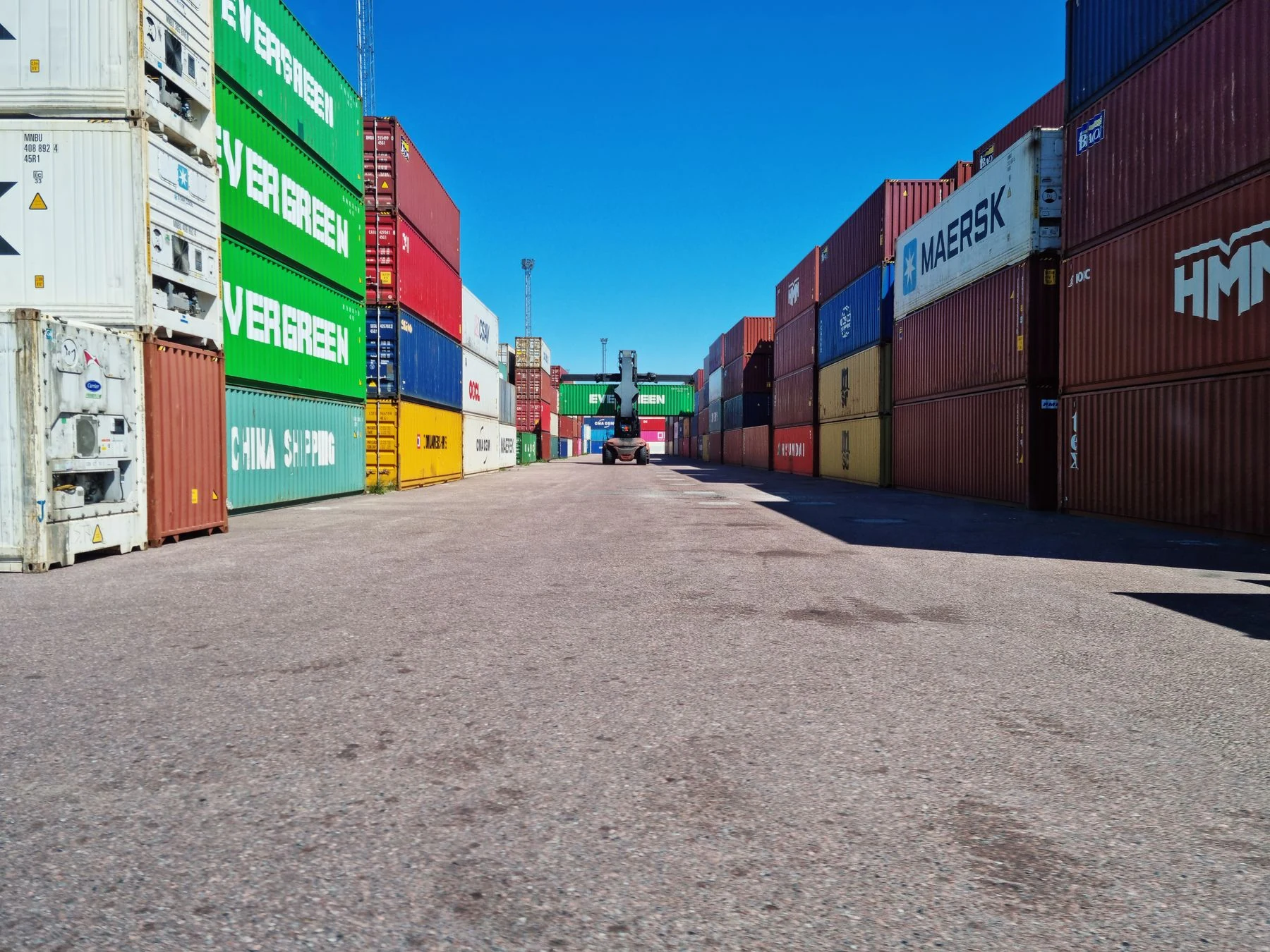
Does DPU include unloading at the named place?
Yes. Under Incoterms 2020, DPU requires the seller to unload the goods at the named place before delivery is complete. The term does not specify which equipment or labor will be used, so the unloading method still needs to be agreed and feasible at the site.
Do shipping and sales contracts always allocate charges identically?
No. The Incoterms rule governs the sales contract between buyer and seller. The carriage contract with the freight forwarder or carrier can allocate charges differently. Read both documents and check that the cost boundary matches what you expect to pay.
Does the named term determine the unloading equipment?
No. DAP and DPU allocate responsibility for the unloading step, but neither term names a forklift, crane, liftgate, or operator. Equipment, access, and labor must be confirmed separately with the parties who will actually perform the work.
Conclusion
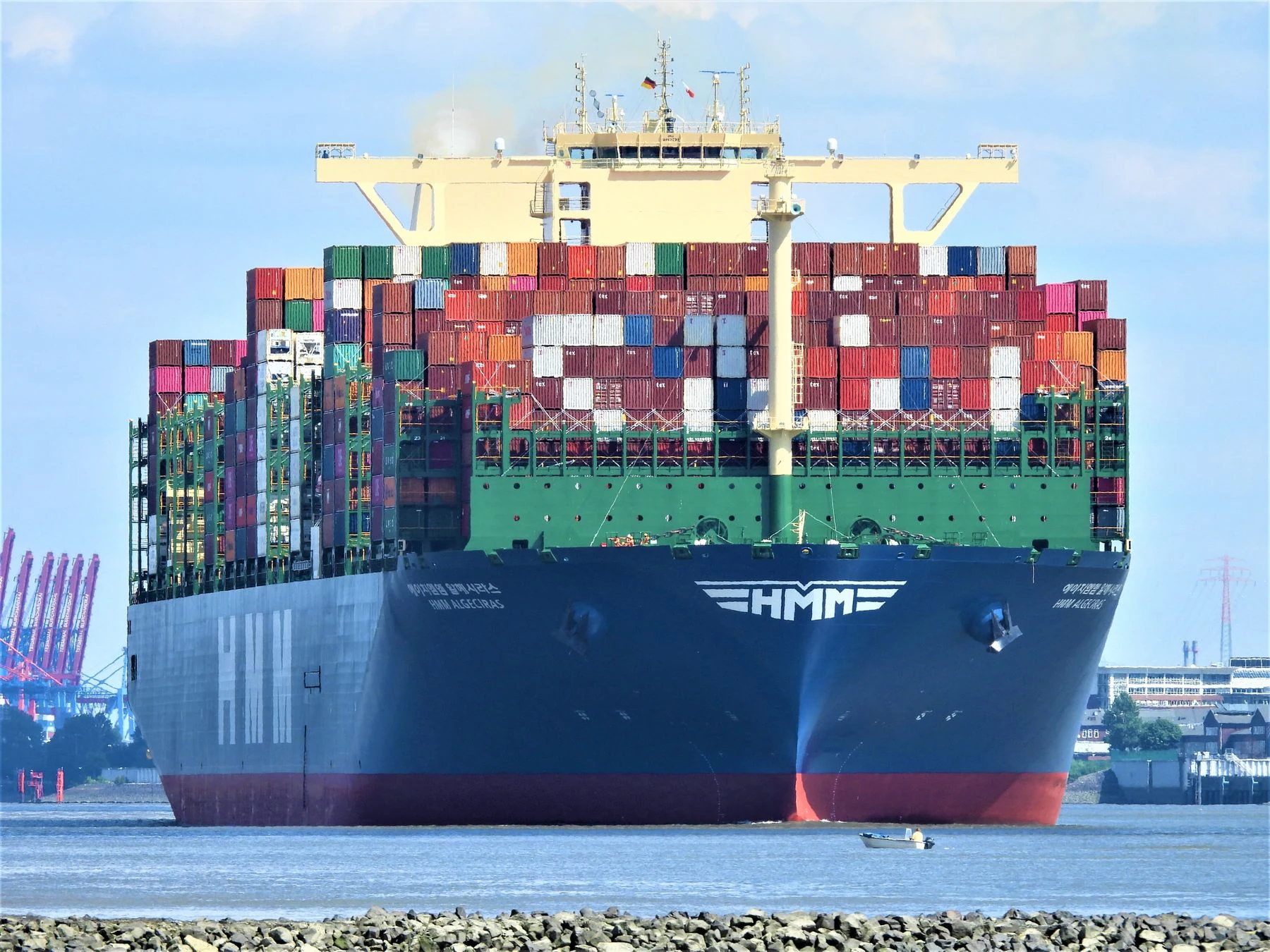
DAP hands unloading to the buyer; DPU keeps it with the seller. Neither term picks your forklift. Confirm the named place, the rule version, the unloading method, and the cost boundary in writing before the truck arrives.
Video: DPU Delivered at Place Unloaded (Basics)
