


 By Anna
You already own walk-behind units and are pricing a winter season across several commercial properties. The question is not which machine wins in general, but whether a remote-control unit earns its place on your specific routes. The answer depends on gates, turns, discharge space, staging time, and what each control actually does.
Compare the two designs route by route, not as a single verdict. A walk-behind unit keeps the operator at the controls and suits tight, familiar paths; a remote-control unit moves the operator away from the machine, which can help where discharge or access is awkward, but only if the named model's controls, dimensions, and weight fit your sites.
This article compares the two approaches for commercial property and facilities buyers and snow-removal equipment managers. It uses two publicly listed machines as reference points, not as a head-to-head test, and it treats remote chute adjustment and remote driving as separate functions that must be checked individually.
Remote control snow blower vs walk behind: Map the route and existing clearing fleet

Start with a written route map before comparing machines. A commercial route is a sequence of surfaces, obstacles, and handover points, and the same walk-behind unit that clears a long open sidewalk may struggle at a recessed entrance with a narrow gate. Listing those constraints first tells you which machine characteristics actually matter.
Walk-behind snow blowers are the familiar baseline for many contractors: the operator walks behind the machine, steering and controlling the auger, drive, and chute from close range. The Papa Machinery comparison of walk-behind and tractor-mount snow blowers frames the tradeoff in terms of machine size and the surface being cleared, which is a useful reminder that equipment class follows the job, not the other way round. That comparison does not test remote-control units, so treat it as background on walk-behind work, not as evidence about remote performance.
Record gates, turns, surface and snow discharge zones
Build the route record around physical facts you can verify with a tape and a site visit. The table below is a starting template; fill it per property and per entrance rather than once for the whole contract.
| Route record item | What to record | Why it matters for the comparison |
|---|---|---|
| Gate and door clear width | Measured opening, plus any threshold or step | Determines whether a machine's overall width can pass |
| Turning points | Corners, planters, bollards, parked-vehicle zones | Shows how much maneuvering space the operator needs |
| Surface type | Concrete, asphalt, pavers, gravel, ramps | Affects traction questions and clearing method |
| Snow discharge zone | Where snow can be thrown or piled, and what must stay clear | Constrains chute direction and throwing distance |
| Overhead and side obstructions | Signs, railings, awnings, walls | Limits where snow can be directed |
| Staging point | Where the machine is unloaded, fueled or charged, and stored | Drives preparation and moving time |
| Operator position | Where a person can safely stand during clearing | Central to the remote-versus-walk-behind decision |
Record the date and snow conditions for each observation. A route measured in dry snow may behave differently after freeze-thaw cycles, and the brief for this article does not supply ice-performance data for either machine. If a site has slopes or icy sections, the responsible site manager and the specific machine manual should govern whether and how clearing proceeds.
Compare operator tasks and control functions
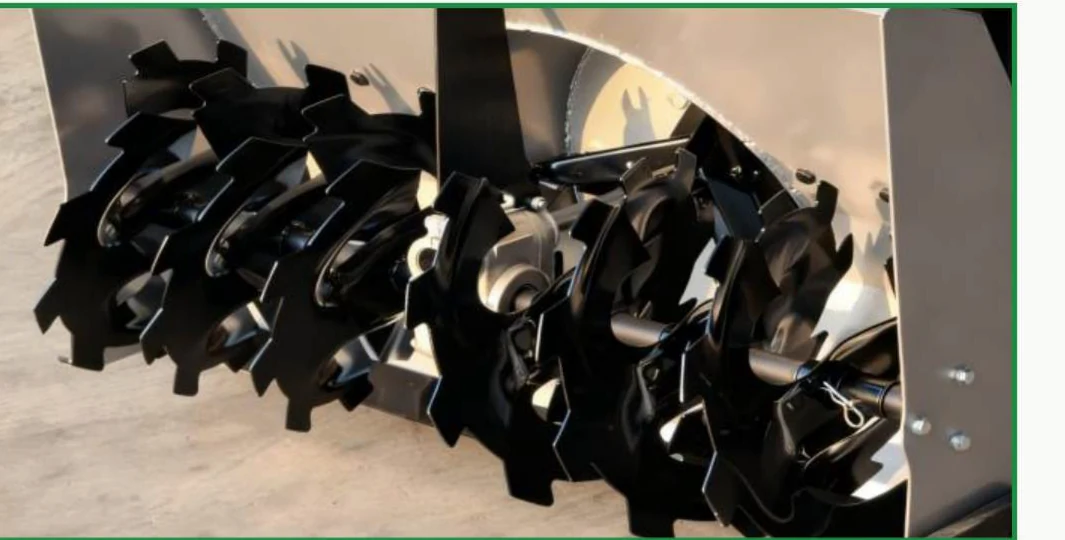
The practical difference between the two designs is where the person stands and what the person controls from there. With a walk-behind unit, the operator is directly behind the machine, so steering, speed, and chute direction are handled at the handlebar. With a remote-control unit, the operator works from a separate position, and the machine's actual functions depend on the model's control set.
That distinction matters for procurement because "remote" is not one capability. A machine may offer remote chute rotation or deflector adjustment while driving is still done at the machine, or it may offer remote travel control as well. The MeriMow comparison of remote snow blowers against walk-behind and ride-on machines is a useful orientation to the category, but the functions of any specific model must be confirmed from that model's own documentation.
Separate remote chute adjustment from remote driving
Write the control question down explicitly and ask the supplier to answer it in writing for the exact model and configuration you are quoting. The checklist below separates the functions so a sales description cannot blur them.
| Control function | Walk-behind (typical arrangement) | Remote-control unit (confirm per model) |
|---|---|---|
| Travel direction and speed | At the handlebar | Ask whether travel is remote or at the machine |
| Steering | At the handlebar | Ask whether steering is remote or at the machine |
| Auger and impeller engagement | At the handlebar controls | Confirm location and control method |
| Chute rotation | Manual crank or lever, per model | Confirm whether remote |
| Chute deflector / throw height | Manual, per model | Confirm whether remote |
| Emergency stop | Per the model's manual | Confirm location and function per the manual |
| Operating position | Behind the machine | Confirm the intended operator position and any stated distance |
Do not assume that a remote chute control implies remote driving, and do not assume a stated remote range. Neither capability follows from the other, and the supplied materials do not provide a verified operating distance for the Super Mowers DY-620 or DY-1000. Ask for the manual section that describes each function, and keep that answer with the quotation.
Read two named machine specifications

Application review
Discuss your mowing application.
Share the working condition, target market, product family and project scope.
Two publicly listed machines give the comparison concrete numbers. Super Mowers lists the DY-620 and DY-1000 remote-control snow blowers on its snow blower product page, and the shared brief records a 620 mm clearing width and 190 kg machine weight for the DY-620. Husqvarna's ST124 support page lists a 24 in (61 cm) clearing width and a 173 lb (78 kg) weight for that walk-behind model.
These are catalogue figures from two different manufacturers, not results from a side-by-side trial. They are useful for asking better questions, not for declaring one machine better. The Super Mowers product page is the place to confirm current DY-620 and DY-1000 configuration, and model availability and service should be confirmed with the supplier rather than assumed.
Check overall dimensions, weight basis and access
The numbers above answer different questions, so read them carefully.
| Field | Super Mowers DY-620 (as recorded in the brief) | Husqvarna ST124 (as listed on the support page) | What to confirm before ordering |
|---|---|---|---|
| Machine class | Remote-control snow blower | Walk-behind snow blower | Exact model and configuration quoted |
| Clearing width | 620 mm | 24 in (61 cm) | Whether the figure is effective clearing width |
| Listed weight | 190 kg | 173 lb (78 kg) | Whether weight includes packaging, fluids, or battery |
| Overall dimensions | Not supplied in the brief | Not confirmed from the supplied excerpt | Length, width, height, and folded/stored size |
| Control functions | Remote-control family; functions to confirm | Handlebar controls, per model | Written function list per model |
| Transport and unloading | Not supplied | Not supplied | Lifting points, ramp or lift requirement |
The weight basis is the most common source of confusion. A catalogue weight may or may not include packaging, and a shipping weight may differ from a working weight. The brief does not establish the weight basis for either figure, so ask the supplier to state it. For access, compare the machine's overall width against the narrowest measured gate on the route, and allow for the operator's position and any required clearance.
Compare the complete shift before ordering
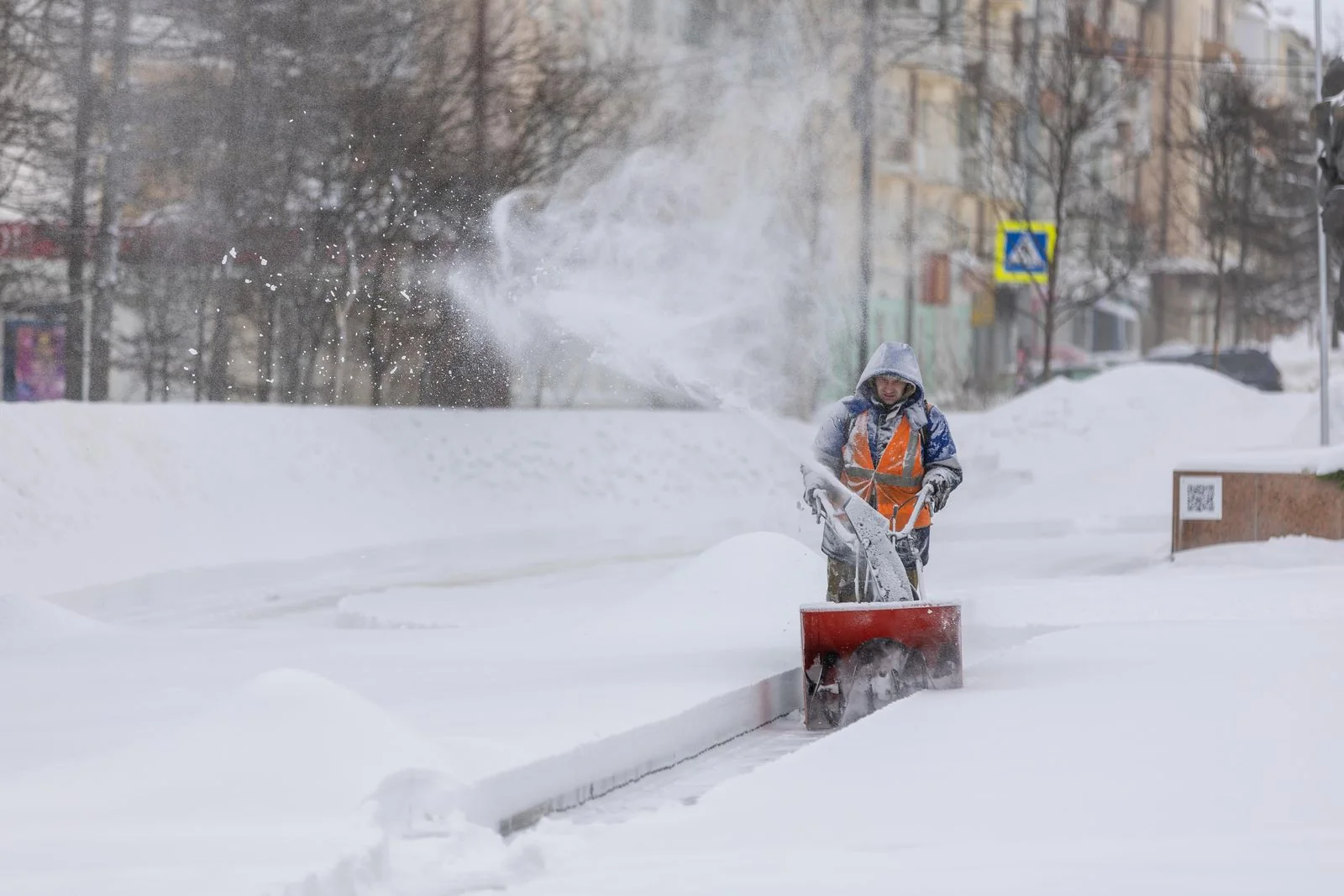
A machine that clears well but takes an hour to stage and move may still lose the shift. Compare the two designs across the whole job: preparation at the yard, travel between properties, clearing time on each surface, and the work left when the route is done. The brief does not supply timed field data for either machine, so build your own record from a trial or a supervised run rather than relying on a general claim.
Include staging, moving, clearing and remaining work
Use a shift log for each candidate machine on a representative route. The template below is deliberately qualitative where numbers are not yet available.
| Shift stage | What to log | Walk-behind entry | Remote-control entry |
|---|---|---|---|
| Loading and unloading | Time, people needed, equipment used | Record per site | Record per site |
| Setup and checks | Pre-use checks per the manual | Record per site | Record per site |
| Moving between stops | Time and method | Record per site | Record per site |
| Clearing per surface | Time, snow depth and type | Record per site | Record per site |
| Repositioning on site | Number of turns and reversals | Record per site | Record per site |
| Refuel or recharge | Time and location | Record per site | Record per site |
| Remaining work | Hand clearing, ice treatment, salting | Record per site | Record per site |
| Issues observed | Traction, visibility, access limits | Record per site | Record per site |
Run the log on a normal route, not a demonstration pad. Keep the snow conditions with the record, because a dry-light-snow run and a wet-heavy-snow run are not comparable. If the site has slopes, ice, or restricted areas, the machine manual and the site's responsible person set the limits; this article does not establish a safe slope or ice capability for either design.
A mixed fleet is a legitimate outcome. A contractor may keep walk-behind units for narrow entrances and use a remote-control unit where the operator position or discharge zone makes the walk-behind arrangement awkward. The decision is per route, and it can change as the contract changes. For related planning, see the site's comparisons of remote-control and robotic snow blowers and snow blowers versus snow plows on commercial sidewalks.
FAQ
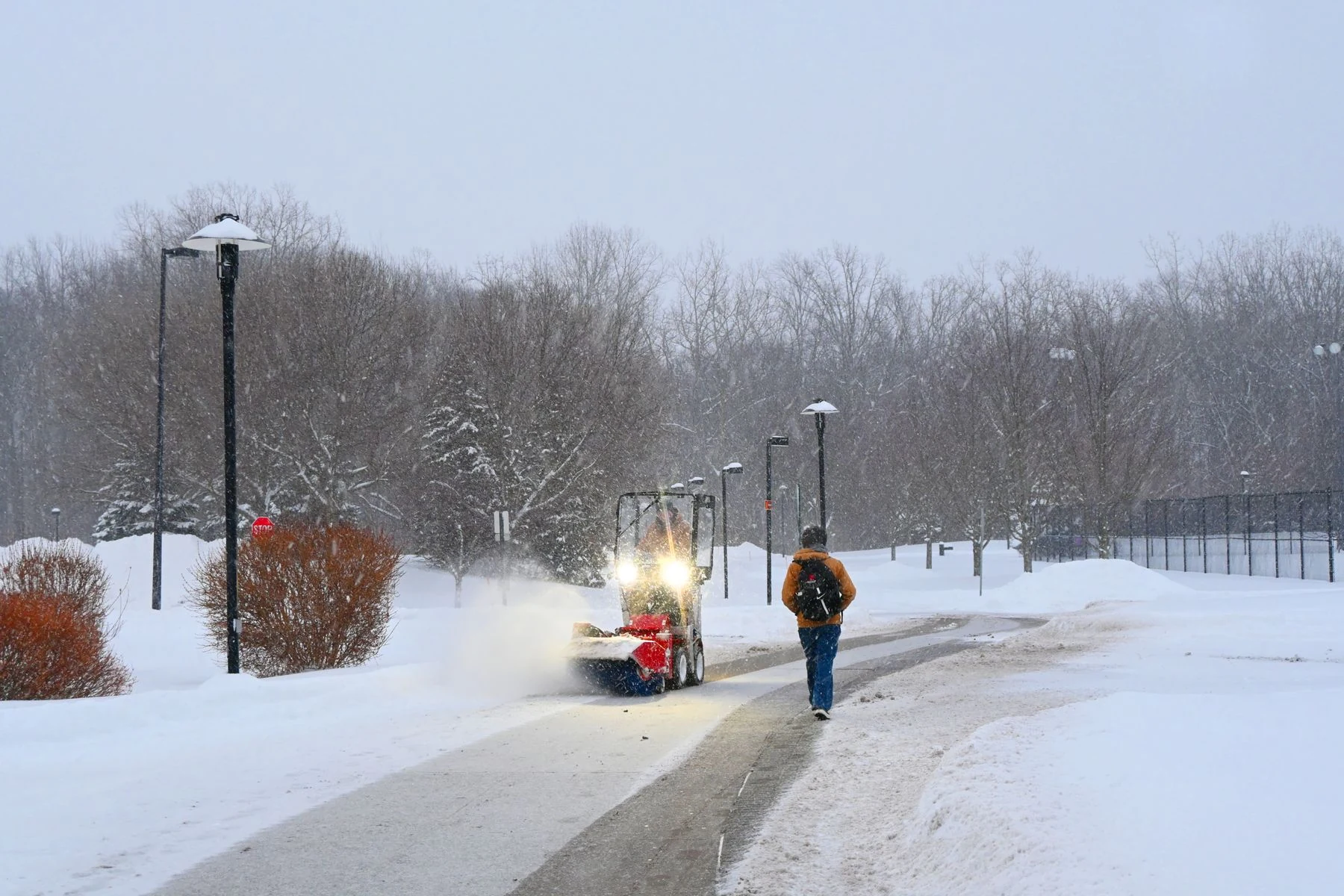
Does remote chute control mean remote driving? No. Chute rotation or deflector adjustment and travel control are separate functions. Confirm each one in writing for the exact model, and do not infer driving capability from a chute feature.
Do listed weights include packaging? The supplied materials do not establish the weight basis for the DY-620 or ST124 figures. Ask the supplier whether the listed weight is a working weight or a shipping weight, and whether fluids or batteries are included.
Does either machine suit every icy slope? No machine suits every icy slope, and the supplied materials do not provide slope or ice-performance limits for either model. Slope and ice decisions belong to the specific machine manual and the responsible site person.
Conclusion
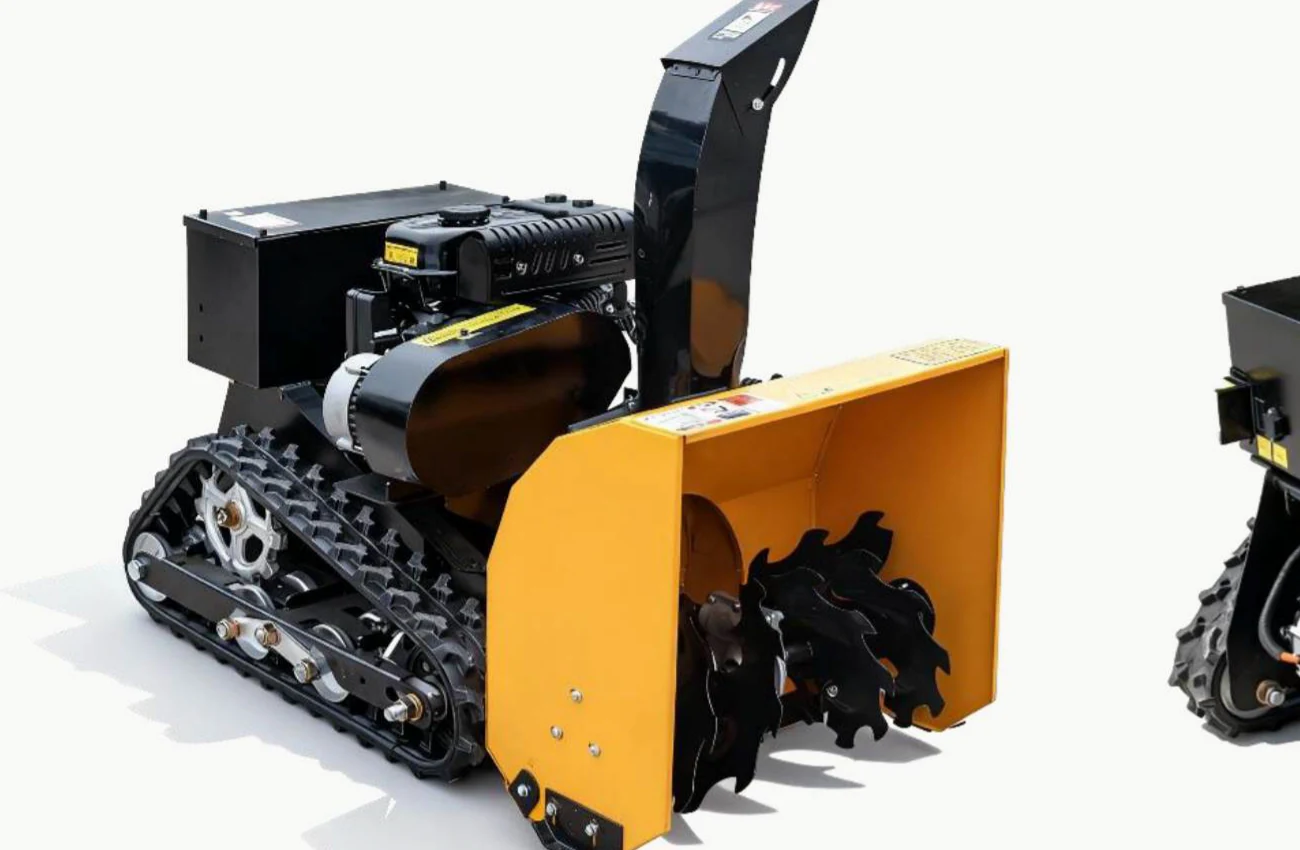
Compare the route, the control functions, and the whole shift, then confirm every model-specific figure with the supplier. Request the exact configuration and manual details through the Super Mowers quote page before committing a winter fleet.