


 By Anna
You are comparing two battery packs for a commercial electric machine, and one label says "100 Ah" while the datasheet adds "1C continuous, 2C pulse." Before you shortlist either pack, you need to know what those figures mean in amps and how long they apply.
Battery C-rate explained in one line: C-rate expresses discharge current as a multiple of a battery's nominal amp-hour capacity. On a 100 Ah pack, 1C means 100 A. A continuous rating is the level the manufacturer allows for sustained discharge; a pulse rating applies only for a stated short period, such as 10 seconds, under stated conditions.
That definition is the foundation for reading any electric equipment battery specification. The sections below work through the arithmetic, a named manufacturer example, and the checks that keep a pack limit separate from what a motor actually draws.
Battery c rate explained: Relate C-rate to nominal amp-hour capacity
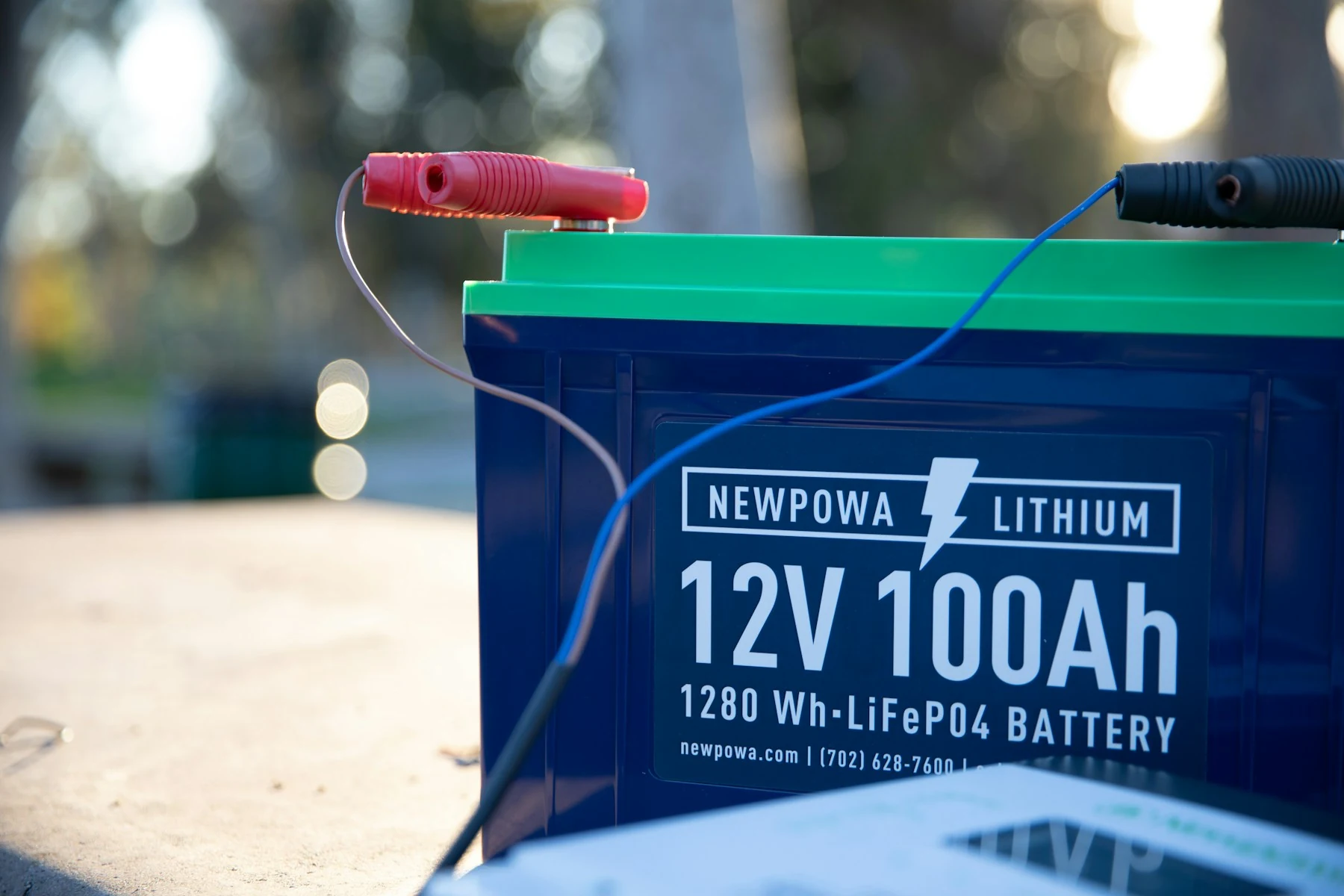
C-rate is a way of writing discharge current relative to capacity rather than in absolute amps. Battery University's explanation of C-rate (BU-402) describes the rate as the current divided by the battery's rated capacity, so the same C number produces different currents on packs of different sizes. MIT's guide to understanding battery specifications uses the same convention: capacity in amp-hours, current in amps, and the C-rate as the link between them.
The practical consequence is that "1C" is not a fixed current. It is a ratio. A 20 Ah pack at 1C delivers 20 A; a 100 Ah pack at 1C delivers 100 A. Buyers who compare C numbers across packs without converting to amps can easily misjudge which pack suits a given load.
Show why 1C on 100 Ah corresponds to 100 A
The arithmetic is deliberately simple. Multiply the nominal capacity in amp-hours by the C-rate to get current in amps:
- 100 Ah × 1C = 100 A
- 100 Ah × 2C = 200 A
- 100 Ah × 0.5C = 50 A
The reverse also works. If a machine's documentation states a 60 A draw and the pack is 100 Ah, that demand is 0.6C. Expressing demand and supply in the same unit — amps — is the only reliable way to compare them. Amp-hours describe stored charge; amps describe the rate at which that charge moves. A pack can have generous capacity and still have a modest current limit, or vice versa.
Label the arithmetic as a rate, not a runtime guarantee
A common misreading is to treat C-rate as a statement about how long a machine will run. It is not. C-rate describes current relative to capacity; runtime depends on the actual load profile, the usable capacity window, temperature, cutoff behavior, and how the machine is operated. A 1C discharge does not automatically mean one hour of work, because the pack is unlikely to be discharged from full to empty at a perfectly constant current, and because the equipment's own limits may stop discharge earlier.
For buyers, the safe reading is narrow: C-rate tells you the current the manufacturer associates with a given capacity. It does not tell you acres per charge, shift length, or how a mower will behave on a slope. Those questions need separate evidence from the equipment maker.
Read a real manufacturer's continuous and pulse limits
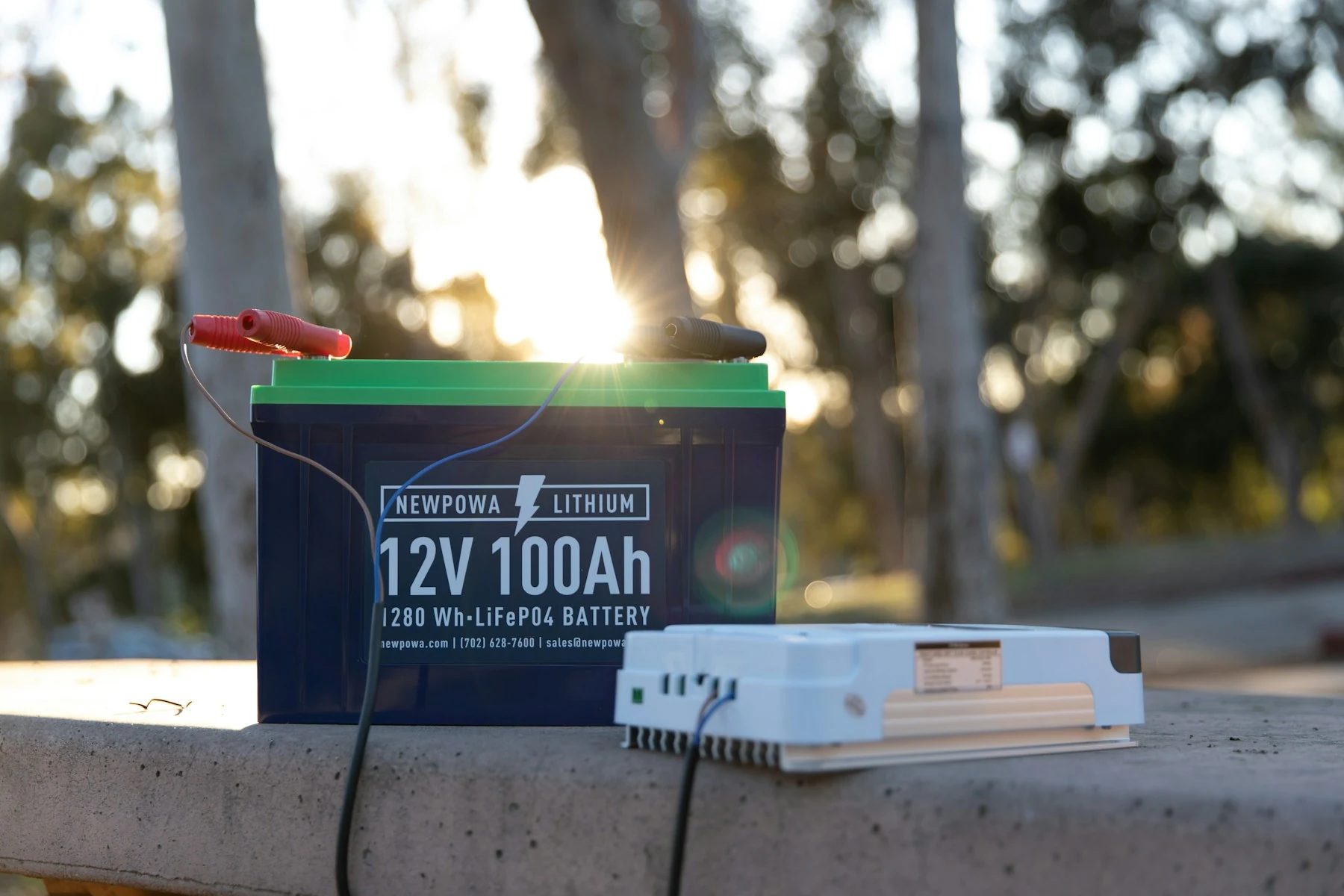
Manufacturer datasheets usually give current limits in two forms: a continuous figure and a short-duration or pulse figure. The continuous rating is the level the maker permits for ongoing discharge. The pulse rating is a higher current allowed only briefly, and only under the conditions the datasheet states. Reading both, and the conditions attached to each, is the difference between a valid comparison and a misleading one.
Use Victron's named 51.2 V/100 Ah example: 100 A continuous and 200 A for 10 seconds
Victron Energy's technical data page for its Lithium NG 51.2 V battery family provides a concrete, named example of how these limits appear in practice. In the 100 Ah configuration, the published figures include a continuous discharge current of 100 A and a short-duration figure of 200 A for 10 seconds. On a 100 Ah pack, 100 A is 1C and 200 A is 2C, which is why this example is useful for learning the convention.
Treat this strictly as an illustration of how a manufacturer documents limits. It is a stationary energy-storage product with its own chemistry, construction, and conditions. It is not a Super Mowers specification, not a recommendation for a mower, and not evidence that any other pack shares those numbers. The lesson is the format: capacity, continuous current, pulse current, and pulse duration stated together.
Keep temperature and manufacturer conditions attached
A current rating without its conditions is incomplete. Battery behavior depends on temperature, state of charge, age, and the protection settings built into the pack or battery management system. Datasheets typically state the temperature range and test conditions under which a rating applies, and those conditions may not match a machine working in summer heat or winter cold.
When you copy a figure into a comparison sheet, copy the condition with it. "200 A for 10 seconds" and "200 A for 10 seconds at a stated temperature and state of charge" are different claims. If the datasheet does not state conditions, record that as an open question for the supplier rather than assuming the rating is unconditional.
Compare equipment demands and battery documentation safely

Application review
Discuss your mowing application.
Share the working condition, target market, product family and project scope.
The buying decision comes down to matching documented demand with documented supply. That means collecting the equipment's expected current draw and the pack's permitted continuous and pulse currents, then checking that the comparison uses the same units, the same conditions, and the same time basis. Where either side is missing, the honest answer is "not yet confirmed."
Separate a pack limit from motor draw or charge current
Three different currents are often confused in equipment discussions:
| Current in question | What it describes | Where to confirm it |
|---|---|---|
| Pack continuous discharge limit | Maximum current the battery maker allows for sustained output | Battery datasheet, with temperature and conditions |
| Pack pulse discharge limit | Higher current allowed only for a stated short duration | Battery datasheet, including the stated duration |
| Motor or equipment draw | Current the machine actually pulls under a given load | Equipment maker's documentation or measured data |
| Charge current | Current accepted during charging, a separate limit | Charger and battery documentation |
A pack that permits 100 A continuous does not prove a motor draws only 100 A. Conversely, a motor rated for a certain output does not establish what the battery can supply. Both sides need their own documentation, and the comparison should use the worst credible demand against the permitted continuous limit, with pulse headroom treated as brief and conditional.
Do not bypass protective controls or infer SM ratings
Battery management systems, fuses, contactors, and equipment interlocks exist to keep current, voltage, and temperature inside safe bounds. Buyers and fleet technicians should never treat a higher pulse rating as permission to defeat those protections, upsize fuses, or modify a pack to extract more current. If a machine trips protection under normal work, that is a signal to check the specification match with the supplier, not to override the device.
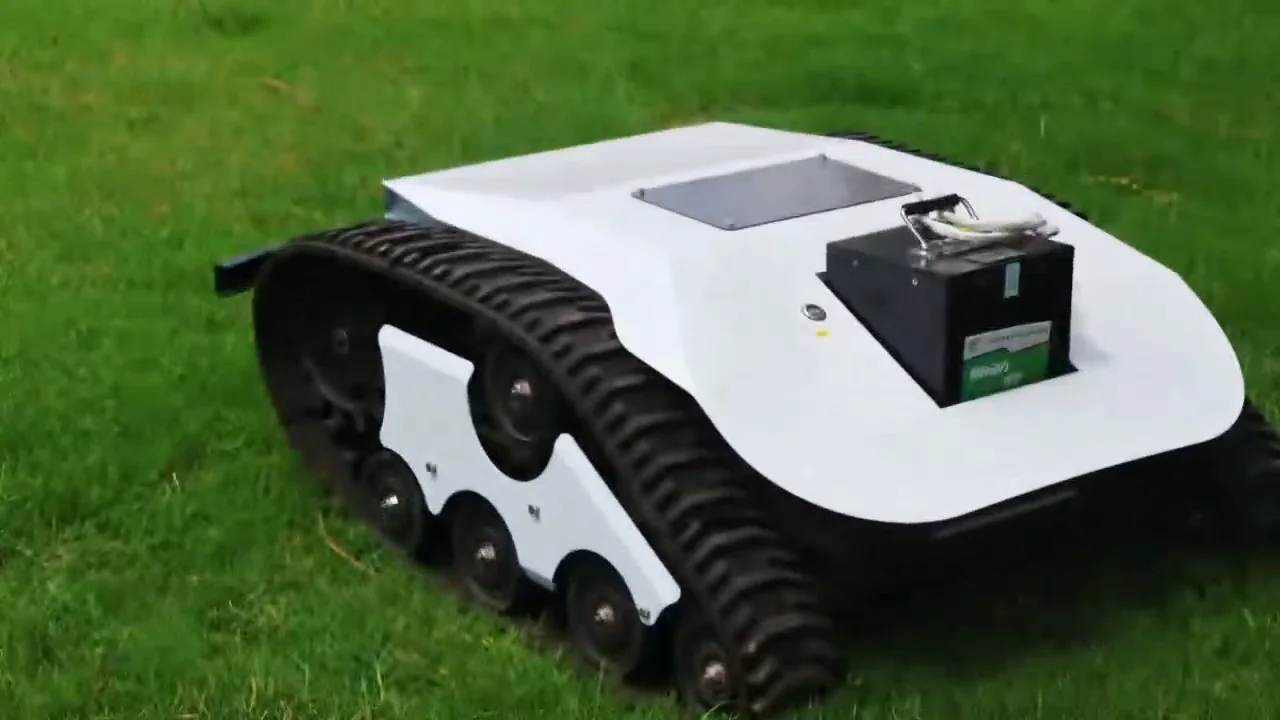
Super Mowers' electric remote-controlled equipment uses battery power, but the specific continuous discharge rate, BMS configuration, and motor load figures are not confirmed in the material available for this article. Do not transfer the Victron example, or any other maker's numbers, onto a Super Mowers machine. Ask for the model-specific datasheet. The published product page for the DY-550E lithium electric mower is a starting point for configuration questions, and the existing articles on battery amp-hours and battery cycle life cover related capacity and longevity topics.
A practical comparison sheet for a fleet buyer might look like this:
| Check | Question to answer | Status if unknown |
|---|---|---|
| Capacity basis | Is the Ah figure nominal, and at what C-rate or conditions? | Ask supplier |
| Continuous limit | What current is permitted for sustained discharge, in amps? | Ask supplier |
| Pulse limit | What current is permitted briefly, and for how long? | Ask supplier |
| Conditions | At what temperature and state of charge do ratings apply? | Ask supplier |
| Equipment demand | What current does the machine draw in the intended work? | Ask equipment maker |
| Protection | What BMS or fuse limits apply, and are they documented? | Ask supplier |
FAQ

Is 1C the same current for every battery?
No. 1C equals the nominal capacity in amp-hours expressed as amps, so it scales with pack size. A 20 Ah pack at 1C delivers 20 A; a 100 Ah pack at 1C delivers 100 A. The C number is a ratio, not a fixed current.
Can a pulse rating be sustained continuously?
No. A pulse rating applies only for the duration and conditions the manufacturer states, such as 10 seconds in the Victron example. Using a pulse figure as a continuous limit ignores the time basis and the thermal and protection limits behind it.
Does capacity alone establish a compatible battery?
No. Capacity tells you stored charge, not permitted current, voltage match, chemistry, BMS behavior, physical fit, or charging requirements. Compatibility needs the full datasheet and the equipment maker's requirements checked together.
Conclusion
C-rate converts capacity into current: 1C on 100 Ah is 100 A. Compare continuous and pulse limits in amps, keep the manufacturer's conditions attached, and confirm every figure for the exact model before buying.
Video: High-Drain Batteries Explained | C-Rate, Current & Testing
