


 By Anna
You are configuring a remote-controlled mower with a hydraulic head, and the supplier has sent a spec sheet with a flow figure and a pressure figure. Before you sign, you need to know whether those numbers describe the same circuit, the same document revision, and the same machine you are actually buying.
Do not treat a flow or pressure figure as proof of compatibility. Ask for the carrier's attachment-circuit specification, the head's requirement, the interface details, and the document revision — in writing, for the exact models. Only the manufacturers of the two components can confirm the combination.
This article is a documentation checklist for dealers, fleet buyers, and configuration managers working on remote control mower hydraulic attachment flow pressure compatibility. It does not certify any combination, and it does not claim that any Super Mowers model supports interchangeable hydraulic attachments. The aim is narrower and more useful: help you collect the right evidence before a purchase order exists.
Remote control mower hydraulic attachment flow pressure compatibility: Identify the carrier circuit and head

The first step is not comparing numbers. It is establishing exactly what two things you are comparing. A "remote mower" and a "hydraulic head" are categories, not configurations. A carrier may be offered with more than one hydraulic arrangement, and a head may be built in more than one version. Until both are pinned down, any flow or pressure comparison is provisional.
Write down the carrier's full model designation, the specific configuration or option code, and the document you are reading — including its revision date or file version. Do the same for the head. If a quote lists only a family name, ask which variant the price refers to. Dealers who handle several fleet customers should keep this record per unit, because two mowers that look identical may carry different hydraulic options.
Record exact models, configuration and document revision
A practical record has four fields per component: manufacturer, exact model, configuration or option, and source document with revision. Add the date you received the document and who sent it. This matters because specification sheets are revised, and a figure copied from an older sheet can follow a machine through several purchasing cycles.
The supplied LV800 material illustrates the point without settling it. Two named documents circulate for the LV800: a technical specification sheet hosted by Whitestarmachinery and a Green Climber spec sheet hosted on Squarespace. They are separate documents with separate origins, and they should be filed as such. This article does not declare that they conflict, that one supersedes the other, or that either applies to any other machine. The lesson is procedural: when two documents carry the same model name, record which one you used and ask the supplier which revision governs your order.
For a fleet buyer, the same discipline applies to the head. A flail head, rotary head, or other hydraulic implement may be offered in variants with different hydraulic requirements. Ask for the requirement sheet for the exact variant quoted, not for the product family.
Compare flow and pressure documentation

Flow and pressure describe different things, and mixing them up is one of the most common sources of bad purchasing decisions. Flow, usually given in gallons per minute or liters per minute, relates to how much oil moves through the circuit in a given time. Pressure, usually given in psi or bar, relates to the force the circuit can develop. A system can have adequate pressure and insufficient flow, or the reverse. Neither figure alone tells you whether a head will perform as intended.
Our existing article on hydraulic flow versus pressure explains how those two quantities affect cylinder speed and force. That background is useful here, but it is not a compatibility test. For purchasing, the question is not "which matters more" but "which circuit, measured under which conditions, does each document describe?"
Ask for the basis of every figure. Is the flow figure a pump rating, a rated delivery at a stated engine or motor speed, or a measured value at the attachment coupler? Is the pressure figure a relief setting, a maximum rating, or a working pressure? A number without its basis is a number you cannot compare responsibly.
Separate attachment circuit from travel and lift
A remote mower may have several hydraulic functions: travel drive, lift or tilt, and an auxiliary or attachment circuit. These are not interchangeable. A figure published for the travel circuit does not describe the attachment circuit, and a head must be matched to the circuit that will actually feed it.
When you request data, name the circuit explicitly. Ask for the auxiliary/attachment circuit's flow and pressure, the conditions under which those values apply, and whether the machine has a dedicated attachment pump or shares supply with other functions. If the supplier says the machine "has" a certain flow, ask which circuit that figure belongs to.
This is also where case drain questions arise. Our article on the hydraulic motor case drain line covers why the drain path belongs in the specification record. Whether a particular head needs a case drain, and whether a particular carrier provides a suitable port, is a question for the two manufacturers — not something to infer from a photograph of a hose.
| Documented item | Why it matters | Ask for |
|---|---|---|
| Carrier model and configuration | Identifies the machine actually quoted | Full model, option code, build or serial reference |
| Attachment circuit flow | Head performance depends on oil volume delivered | Value, unit, measurement point, and conditions |
| Attachment circuit pressure | Sets the force available and the relief basis | Value, unit, relief vs working basis |
| Travel and lift circuit figures | Prevents misreading the wrong circuit | Separate figures, clearly labelled |
| Head requirement | The demand side of the comparison | Requirement sheet for the exact head variant |
| Interface details | Couplers, ports, hose routing, mounting | Type, size, standard, and mounting dimensions |
| Document revision | Prevents using superseded data | Revision date or version, and issuing party |
Check interfaces and missing information

Hydraulic compatibility is not only about flow and pressure. The physical and hydraulic interface has to line up: coupler type and size, port threads, hose routing, mounting pattern, and the space available around the machine. A head that meets the flow and pressure figures can still be the wrong purchase if it cannot be mounted or connected as supplied.
Application review
Discuss your mowing application.
Share the working condition, target market, product family and project scope.
Build a missing-information list early. In most remote mower enquiries, the gaps appear in the same places: the circuit is unnamed, the flow basis is unstated, the head requirement is given only as a range, the coupler is described only as "standard," and the mounting drawing is absent. None of these gaps is unusual. The problem is proceeding to order while they remain open.
Record mounting, connections and manufacturer confirmation
For each interface item, record what is known, what is assumed, and who confirmed it. A coupler that looks similar in a photo is not confirmation. A verbal statement from a sales contact is weaker than a written statement from the manufacturer's engineering or technical function. Where the carrier and head come from different suppliers, ask each side to confirm in writing that the combination has been reviewed.
Keep the confirmation attached to the quote. If the configuration changes — a different head variant, a different carrier option — the confirmation should be refreshed, because it applied to the earlier combination.
| Interface item | Information to request | Status to record |
|---|---|---|
| Quick couplers | Type, size, standard, male/female side | Confirmed / assumed / unknown |
| Ports and threads | Thread standard and size on both sides | Confirmed / assumed / unknown |
| Hose and routing | Supplied hose lengths, routing constraints | Confirmed / assumed / unknown |
| Mounting | Pattern, dimensions, attachment points | Confirmed / assumed / unknown |
| Case drain | Whether required, and whether a suitable port exists | Confirmed / assumed / unknown |
| Control | How the head's functions are controlled from the carrier | Confirmed / assumed / unknown |
| Manufacturer review | Written statement covering the exact combination | Name, role, date |
Prepare a written configuration enquiry
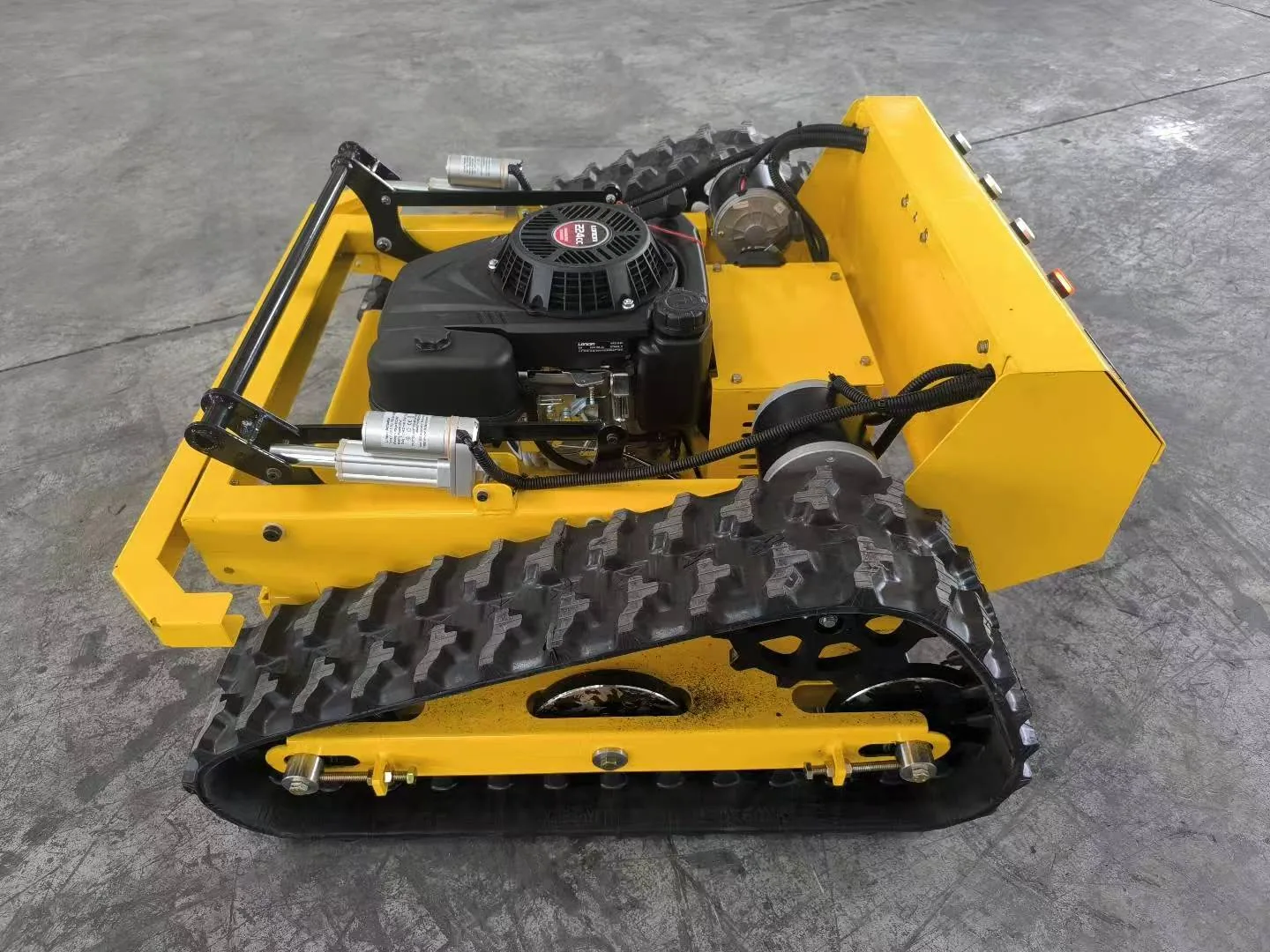
A written enquiry does two jobs. It gives the supplier the information needed to answer precisely, and it creates a record of what was asked. Dealers comparing quotes from more than one source need that record, because otherwise the quotes may be answering different questions.
Structure the enquiry around the two components and the combination. State the carrier model and configuration, the head model and variant, the intended work, and the interface items you need confirmed. Ask for the attachment-circuit flow and pressure with their basis and measurement point. Ask which document revision governs. Ask who will confirm the combination in writing. Keep the enquiry short enough to be answered, but specific enough that a vague reply is visibly incomplete.
The reference material supplied with this topic shows how differently hydraulic attachment information can be presented. The KORVA page describes a hydraulic remote-control flail mower for that maker's own machine, and the Logbear article is a general flow guide written largely around skid-steer loaders. Neither is a standard for remote mowers, and neither should be applied to a different carrier. Use them to understand the kinds of questions worth asking, not as a substitute for model-specific data.
Compare two named specification versions without assuming compatibility
When two documents for the same model name are in circulation, compare them field by field rather than as a whole. Note which values differ, which are absent from one document, and what each document says about the circuit it describes. Then ask the supplier which revision applies to your order and whether the difference affects the attachment circuit.
| Comparison field | Whitestarmachinery LV800 tech specs | Green Climber LV800 spec sheet | Action |
|---|---|---|---|
| Document identity | Named technical specification sheet | Named Green Climber spec sheet | File both; record source and date received |
| Model designation | LV800 | LV800 | Confirm which variant each covers |
| Circuit described | To be confirmed from the document | To be confirmed from the document | Ask supplier to identify the circuit |
| Attachment flow value | Present in the supplied document | Present in the supplied document | Request basis, unit, and measurement point |
| Attachment pressure value | Present in the supplied document | Present in the supplied document | Request relief vs working basis |
| Revision status | To be confirmed | To be confirmed | Ask which revision governs the order |
| Applicability to other machines | Not established | Not established | Do not extrapolate |
This table is deliberately a worksheet of questions, not a verdict. The supplied material does not establish that the two documents conflict, that either is current, or that either applies to a machine outside its own scope. What it does establish is that a buyer should not merge figures from two documents into one mental specification.
Frequently asked questions
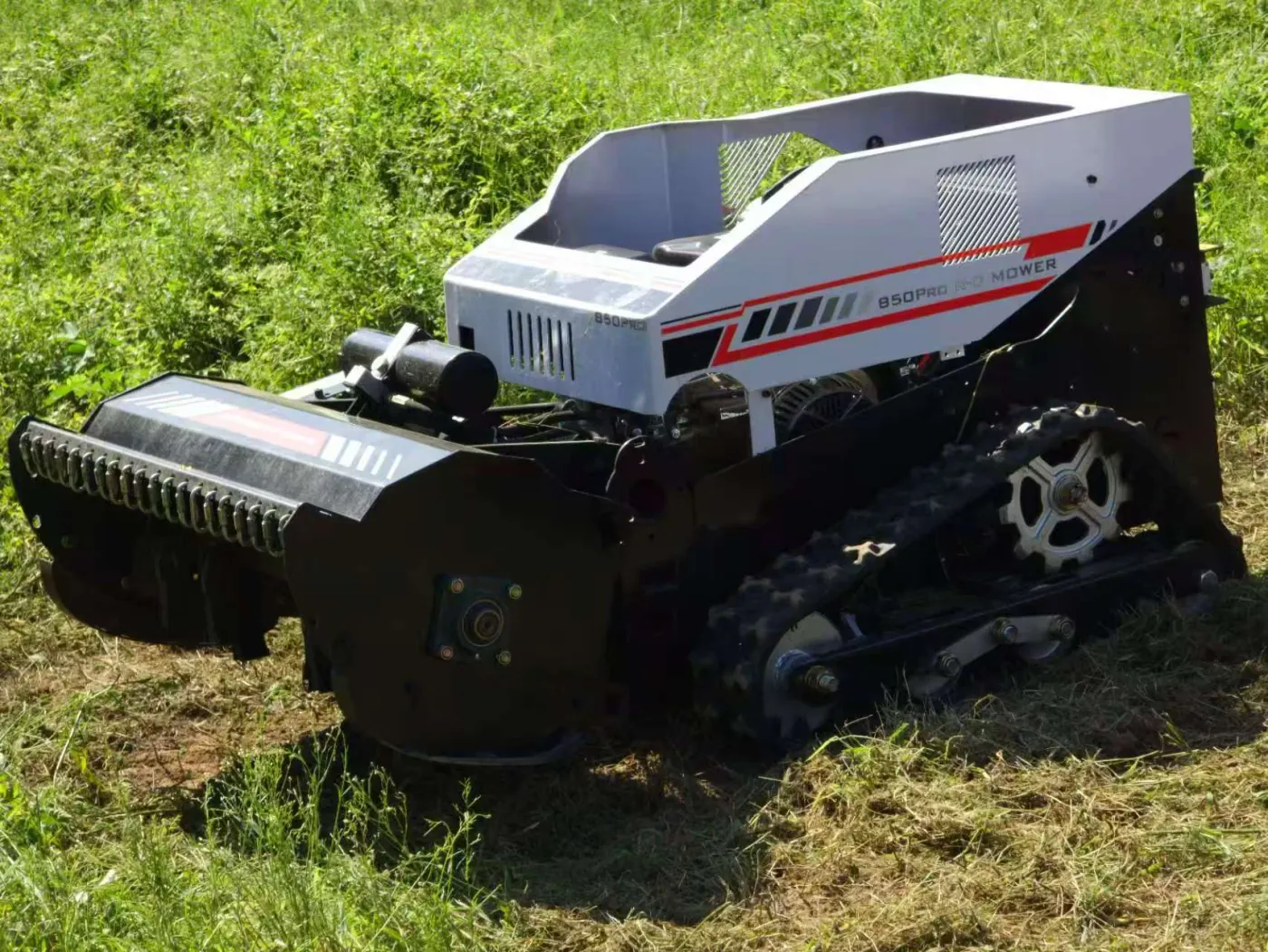
Does a quick coupler prove attachment compatibility?
No. A quick coupler shows that a connection may be physically possible. It says nothing about flow, pressure, relief settings, case drain needs, control arrangement, or mounting strength. Compatibility has to be confirmed by the manufacturers for the exact combination.
Are travel and attachment circuit ratings interchangeable?
No. They are different circuits serving different functions, and a figure published for one does not describe the other. Ask specifically for the auxiliary or attachment circuit's flow and pressure, with the basis for each value.
Who confirms the exact combination?
The manufacturers of the carrier and the head, or their authorised technical representatives, in writing. A dealer can coordinate the enquiry and hold the record, but a dealer's assurance is not the same as a manufacturer's confirmation of a specific pairing.
Conclusion

Before ordering, pin down both models, the attachment circuit figures and their basis, the interface details, and the governing document revision. Then ask both manufacturers to confirm the exact combination in writing. Start with a model-specific enquiry through Super Mowers.