

 By Anna
A mower engine that rises and falls in a steady rhythm is hard to describe over the phone, and a vague report can send a technician down the wrong path. Before you book service, capture when the lawn mower engine surging happens, how long it lasts, and what else you can see or hear.
Surging is a repeated rise and fall in engine speed, not a single stall. It can come from air, fuel, or speed-control problems, so no single observation proves a failed part. Record the conditions first, then let the correct engine manual and an authorized technician guide diagnosis.
This guide is written for fleet leads running gasoline remote-controlled mower platforms and for dealer service coordinators who receive the first complaint. It does not cover diesel or battery-electric machines, where the same symptom has different causes. It also does not replace the engine manufacturer's manual or an authorized technician's diagnosis.
Lawn mower engine surging: Describe the rise-and-fall symptom

The first job is to separate surging from the other things an engine can do. Surging is a cyclical pattern: speed climbs, drops, climbs again, usually at a fairly regular interval. A stall is a stop. Black smoke is exhaust colour. A misfire is a stumble. Each points in a different direction, and mixing them in one report makes the handoff weaker.
Listen for the pattern rather than a single moment. Does the engine settle into a rhythm, or does it hunt unpredictably? Does the rise and fall repeat every few seconds, or only when the machine crosses rough ground? Write down what you actually hear and see, in plain words, before adding any guess about the cause.
Distinguish repeated RPM surging from a stall or smoke
A stall ends the cycle. Surging continues it. If the engine dies and must be restarted, record that separately, including whether it restarts easily and whether it dies again under the same conditions. A machine that stalls under load is a different report from one that keeps running but cannot hold a steady speed.
Black smoke is another separate observation. Exhaust colour can accompany rich running, but it is not the same event as surging, and one does not automatically prove the other. Note smoke as its own line: colour, when it appears, and whether it clears. The same applies to unusual noises, vibration, or a hot smell. Keep each observation distinct so the service provider can weigh them independently.
A useful habit is to record the symptom in three layers: what the engine does (speed rises and falls), how often (continuous, intermittent, or only at a certain point), and what accompanies it (smoke, stall, noise, vibration). That structure survives the trip from the operator to the workshop.
Compare when the symptom occurs
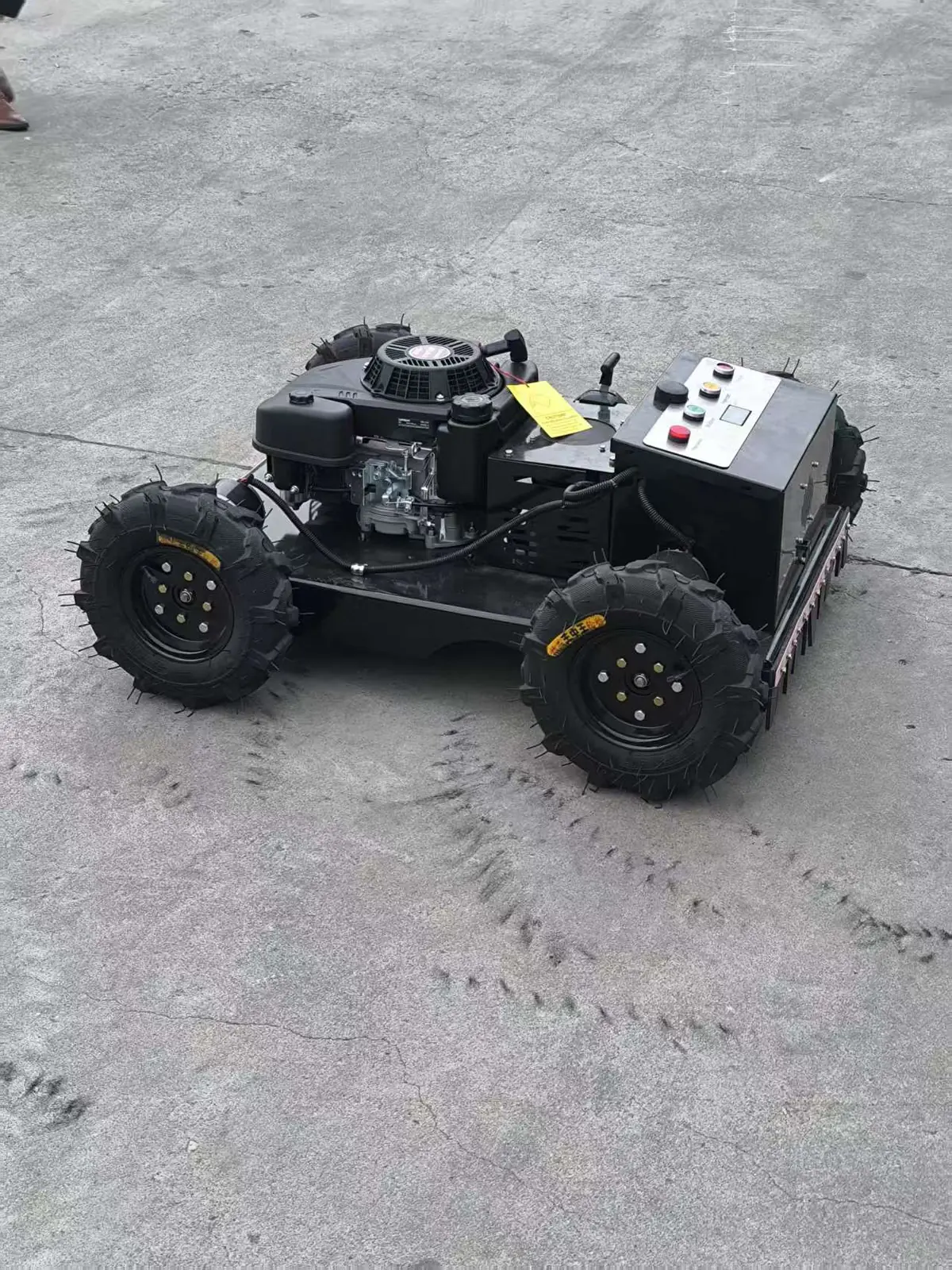
Timing is the most useful thing an operator can contribute. The same surging pattern means different things depending on whether it appears at idle or under working load, whether the engine is cold or warm, and whether anything changed just before it started. A report that says only "engine surging" gives a technician almost nothing to compare.
Record the conditions in the order they happen. Start the engine, let it settle, and note the behaviour before any load is applied. Then engage the cutting load and note whether the pattern changes. If the machine is a remote-controlled platform, describe the control state and the work being done at the time, without implying that the control method itself explains the fault.
Record idle versus load, cold versus warm, and what changed
Idle and load are different operating states, and lawn mower surging at idle does not automatically mean the same fault as surging under load. Note both if you can do so safely within the manual's instructions. Do not place hands or tools near moving parts, and do not adjust anything to "test" a theory.
Cold and warm are also different. An engine that surges only in the first minutes after a cold start tells a different story from one that surges after an hour of work. Record the approximate run time when the symptom first appears and whether it fades, persists, or worsens.
The "what changed" line is often the most valuable. Recent refuelling, a fuel can that sat for months, a filter service, a blade change, a new site, a different operator, or a machine that was transported on a rough trailer can all matter. List changes factually; do not conclude that one of them caused the fault.
| Observation to record | Why it helps the service provider | Example entry (illustrative format) |
|---|---|---|
| Operating state | Separates idle behaviour from load behaviour | "Surging at idle; steady under light load" |
| Engine temperature | Distinguishes cold-start behaviour from warm running | "Appears after about 5 minutes from cold" |
| Pattern and interval | Shows whether the cycle is regular or erratic | "Rises and falls about every 3 seconds" |
| Duration and persistence | Shows whether the fault is settling in | "Continuous for 20 minutes; did not clear" |
| Accompanying signs | Keeps smoke, stall, and noise as separate evidence | "Light black smoke at the top of each rise" |
| Recent changes | Gives the technician a timeline to check | "Refuelled from a new can the day before" |
| Machine and engine details | Ties the report to the correct manual and parts list | "Model and engine serial number from the label" |
Use this as a reporting format, not a diagnosis sheet. The right-hand column is an illustration of how to write an entry, not a claim about what any particular machine will do.
Map possible fault groups without a one-cause diagnosis
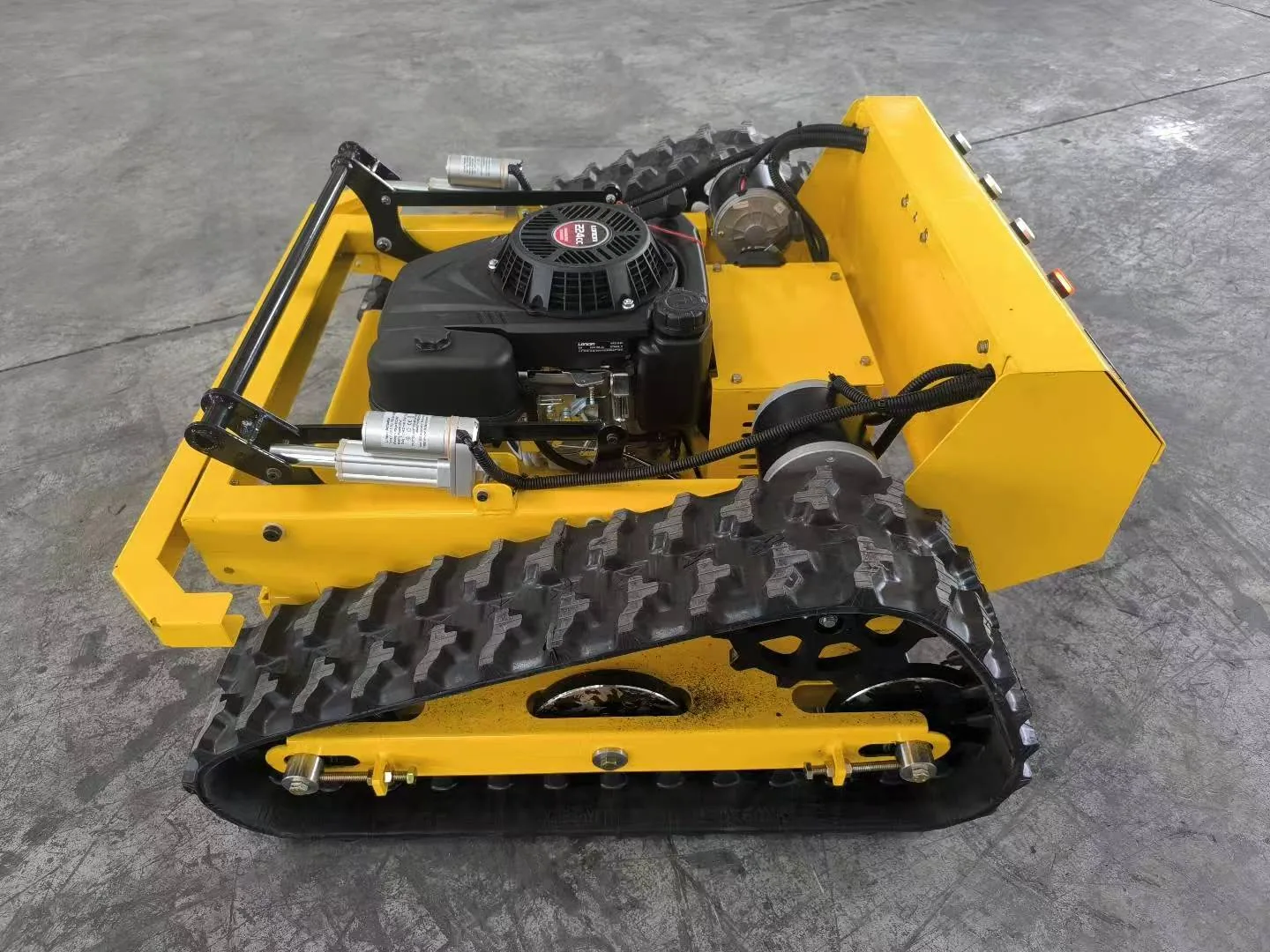
Public fault guides commonly group surging causes into air, fuel, and speed-control categories. That grouping is useful for organizing a report, but it is not a ranking of likelihood, and it does not tell you which part has failed on your machine. A restricted air path, a fuel supply problem, and a governor or speed-control issue can each produce a rise-and-fall pattern, and more than one can be present.
Air-side possibilities include a dirty air filter or a blockage in the intake path. Fuel-side possibilities include a restricted filter, stale or contaminated fuel, or a supply problem in the carburettor circuit. Speed-control possibilities involve the governor system that is meant to hold engine speed steady as load changes. Published repair guidance and manufacturer support pages describe these groups; they do not certify a cause from a sound alone.
Application review
Discuss your mowing application.
Share the working condition, target market, product family and project scope.
Use sourced manufacturer examples for air, fuel and speed-control systems
Briggs & Stratton's public FAQ on the governor system explains that the governor's job is to hold engine speed under changing load, which is why a speed-control fault can look like a fuel or air fault from the operator's seat. Sears PartsDirect's article on surging lists air, fuel, and carburettor-related possibilities among the common causes. Wildwood Small Engine Repair's guide similarly treats surging as a symptom with several candidate causes rather than a single failed component. These are general explanations, not model-specific instructions for your engine.
That distinction matters for a fleet. A report that says "probably the fuel filter" closes off the air and governor possibilities before anyone has checked them. A report that says "surging at idle, steady under load, no smoke, started after refuelling" keeps all three groups open and gives the technician a fair starting point. For related air-path housekeeping on remote-controlled fleets, see the site's guide to cleaning a lawn mower air filter; it covers filter service planning, not surging diagnosis.
| Fault group | What the operator may notice | What the observation does not prove |
|---|---|---|
| Air intake restriction | Surging that may worsen under load; possible power loss | That the filter is the cause without inspection |
| Fuel supply restriction | Surging at idle or under load; possible hesitation | That the filter or pump has failed |
| Fuel quality or contamination | Rough running, smoke, or surging after refuelling | That the fuel is the cause without checking |
| Governor or speed-control system | Speed that will not hold steady as load changes | That the governor needs adjustment |
| Carburettor settings or wear | Irregular speed, smoke, or poor response | That a rebuild or replacement is required |
Super Mowers' public catalogue lists gasoline remote-controlled mower platforms at supermowers.com/products/. Engine and governor components differ between models, so any parts question has to be matched to the exact engine and serial number rather than to the platform family. This article does not establish compatibility for any specific machine.
Decide what to report and when to stop

A good report is short, factual, and complete enough for someone who was not there. It names the machine, the engine, the operating state, the pattern, the duration, the accompanying signs, and the recent changes. It avoids conclusions. It also records what was not observed, because a missing symptom is information too.
Stop and escalate rather than continue when the symptom is accompanied by anything outside normal running: heavy smoke, a strong fuel smell, overheating, unusual mechanical noise, or a safety device that does not behave as the manual describes. Do not keep running a machine to "see if it clears" when the manual or your organisation's policy says otherwise. For a remote-controlled platform, keep people clear of the machine and follow the site's isolation and access arrangements.
Follow the actual manual and avoid unsupervised governor or safety-device adjustments
Governor settings and safety devices are not tuning knobs for the operator. Manufacturer manuals specify how these systems are checked and set, and unauthorized adjustment can change engine behaviour and defeat protective functions. This article deliberately gives no adjustment procedure, no target speed, and no cross-model settings. Those belong to the exact engine manual and an authorized technician.
Equally, do not treat a parts swap as a diagnosis. Replacing a filter or a spark plug to see what happens can mask the original condition and leave the real fault in place. If your organisation permits basic checks, keep them to what the manual allows, record the result, and hand the machine over with the record attached.
Before booking service, confirm the following with the responsible person:
- The exact machine model, engine make and model, and serial number from the label.
- The correct manual revision for that engine, not a manual from a similar model.
- Whether the machine is safe to move, and how it should be transported.
- Who is authorized to inspect the fuel, air, and governor systems.
- What the service provider needs in the handover record.
FAQ

Is surging the same as black smoke? No. Surging is a repeated rise and fall in engine speed. Black smoke is an exhaust observation. They can appear together, and either can appear alone. Record them as separate lines so the service provider can judge each on its own evidence.
Does surging always mean a clogged fuel filter? No. Published fault guidance groups surging causes across air, fuel, and speed-control systems, and the governor's role in holding engine speed means a control fault can look similar from the operator's position. A filter may be involved, but the symptom alone does not prove it.
Which details help an authorized service provider? The machine and engine identification, whether surging occurs at idle or under load, cold or warm behaviour, the pattern and interval, how long it lasts, any smoke, stall, noise, or smell, recent refuelling or service, and the manual revision you are working from. Factual entries are more useful than a guessed cause.
Conclusion

Record the pattern, the operating state, and the accompanying signs before you call for service. Keep the report factual, follow the exact engine manual, and leave governor and safety-device work to an authorized technician.
Video: Lawn Mower Surging Causes
