


 By Anna
A dealer's parts desk gets a call: a remote-control mower's lift cylinder is wet around the rod, and the customer wants “the seal.” Before you can quote anything, you need to know which part the customer means and which part the machine actually uses. The hydraulic cylinder rod seal vs wiper seal distinction is the first thing to settle, because they are different components with different jobs.
The rod seal retains hydraulic fluid inside the cylinder; the wiper (also called a rod wiper or scraper) sits outboard and keeps dirt, water and debris off the rod as it retracts. They are separate parts, and a wet rod does not by itself tell you which one has failed.
Hydraulic cylinder rod seal vs wiper seal: Identify the cylinder and documented sealing parts

The first step is not choosing a seal — it is establishing which cylinder you are dealing with and what the machine's own documentation lists. A hydraulic lift option on a product page tells you a cylinder exists; it does not tell you the cylinder's bore, rod diameter, seal profile, part number, or whether the gland carries a separate wiper at all. Those details come from the machine's parts diagram and the supplier's records, not from a generic seal article.
For example, the Super Mowers Remote 50 product page lists an optional remote hydraulic lift. That confirms a hydraulic lift function is offered on that configuration. It does not document the installed cylinder's internal seal arrangement, and it does not establish hydraulic wheel motors or any other hydraulic circuit. Treat the product page as configuration context, not as a parts source.
Confirm the actual machine and parts diagram
Work from the machine's identity outward. A serial number, model and build configuration narrow the possible parts; a parts diagram for that configuration shows which items are listed separately. In many cylinder designs the rod seal and the wiper appear as distinct line items, sometimes in the same gland kit and sometimes not. Whether they are sold together, separately, or only as a complete gland assembly is a supplier question, not something to assume.
Useful confirmation points before you contact a supplier:
- Exact model and serial number, plus any configuration code for the lift option.
- The parts diagram revision or date you are reading from.
- The item numbers and descriptions shown for the gland area.
- Whether the diagram lists a wiper separately from the rod seal.
- Whether the cylinder is a Super Mowers-supplied assembly or a third-party component.
If the diagram shows only an assembly number, say so in the enquiry. A supplier can then confirm what is serviceable inside it. Do not substitute a seal from a different cylinder because the rod diameter looks similar; profile, housing dimensions and material all matter.
Separate observed leakage from a diagnosed part
A film of oil on the rod is an observation. “The rod seal is worn” is a diagnosis. The two are not the same, and a parts coordinator should keep them apart in writing. Leakage at the rod can come from the rod seal, from a damaged rod surface carrying fluid past the seal, from a gland or housing issue, from a wiper that is no longer excluding debris and is allowing abrasive material to reach the seal, or from conditions unrelated to the gland.
That is why the parts request should describe what was seen: where the oil appears, whether it is a film or a drip, whether it returns after cleaning, whether the rod shows scoring, dents or a worn chrome finish, and whether the symptom appears under load, at rest, or only during part of the stroke. Each of these observations helps a qualified technician narrow the cause. None of them, on its own, authorizes you to order a specific seal as a confirmed fix.
Compare functions and the named oil-film example
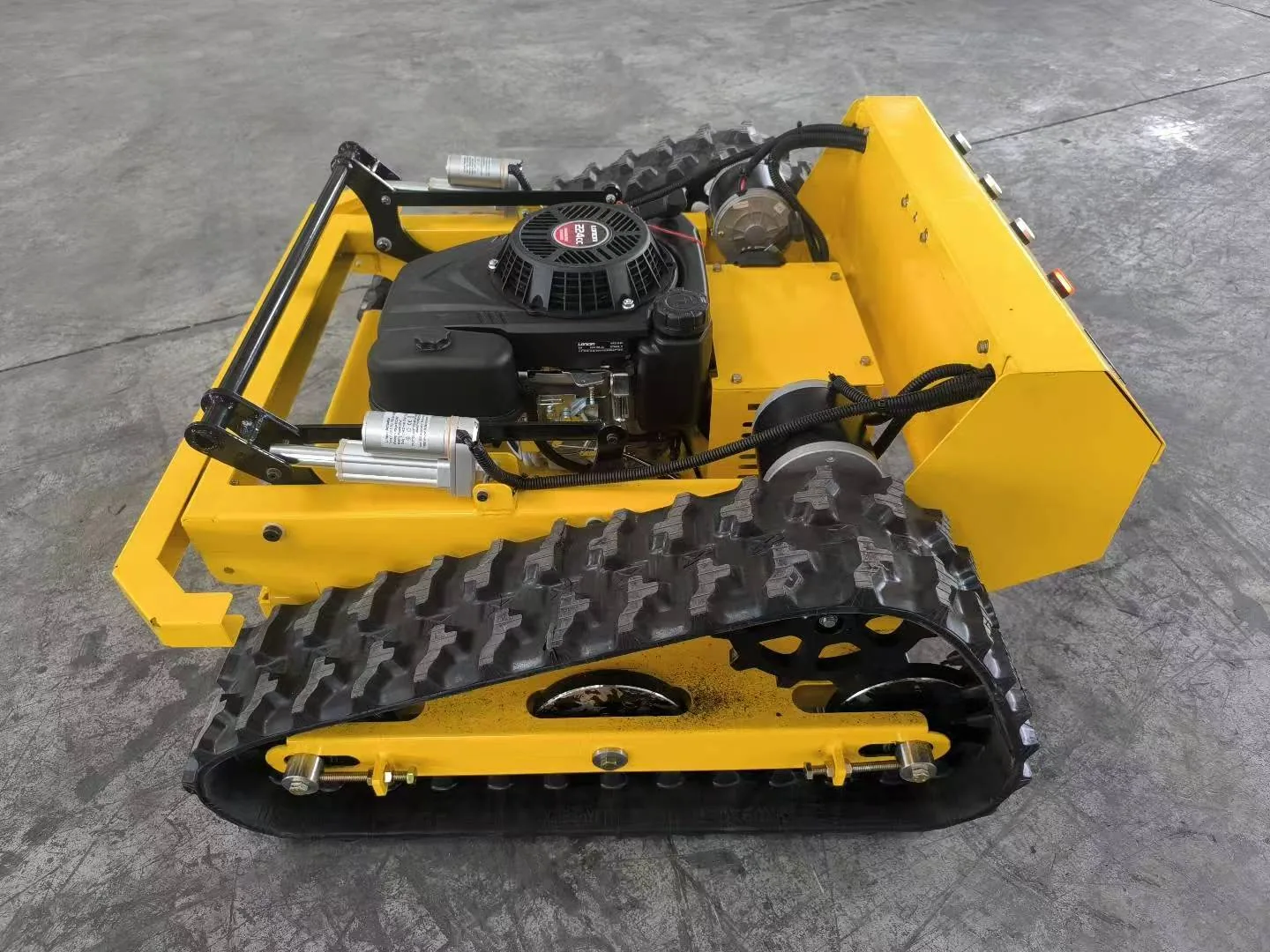
The functional difference is straightforward, and it is worth stating plainly because it is the part most often blurred in a hurried parts call. The rod seal is the pressure-retaining element at the rod end of the cylinder. It holds pressurized fluid in the barrel while the rod moves in and out. The wiper is the outboard element. It contacts the rod on the exposed side and works to keep contaminants from being drawn into the gland as the rod retracts.
Berendsen's overview of hydraulic cylinder seal types describes the wiper's role in excluding contamination and also refers to its relationship with the oil film on the rod. DMS Seals' comparison of wiper seals and rod seals likewise sets out the basic division of duties. Those sources support the general functional contrast used here; they are not Super Mowers model documentation and do not identify any part on a specific machine.
Separate fluid retention, the oil film and debris exclusion
Three ideas get mixed together in casual conversation, and separating them makes the parts conversation clearer.
| Function | Typical element | What it is doing | What it does not prove |
|---|---|---|---|
| Fluid retention | Rod seal | Holds pressurized hydraulic fluid inside the cylinder at the rod end | That a wet rod means this seal has failed |
| Oil-film management | Rod seal and wiper interface | Leaves a thin film on the rod as it passes, which the wiper then interacts with | That any particular film thickness is correct for your machine |
| Debris exclusion | Wiper / scraper | Limits dirt, water and grit entering the gland with the retracting rod | That the wiper alone prevents all contamination |
| Structural support | Gland, housing, rod surface | Locates the seals and provides the running surface | That seal replacement alone will fix a damaged rod |
A thin oil film on a working rod is normal in many cylinder designs; the rod seal is not intended to leave the rod bone dry. The wiper then works against that film while excluding debris. This is why “the rod looks oily” is a weak diagnostic statement and why a wiper that is damaged or worn can matter even when the rod seal itself is intact: contamination that gets past the wiper can accelerate wear on the sealing elements behind it.
Keep Parker's laboratory example in its tested context
Parker's article on how a rod wiper can cause leakage describes a named laboratory investigation of the interaction between the oil film on the rod and the wiper in a specific seal combination. It is a useful illustration that the wiper is not a passive dust cover — its behaviour at the rod surface can affect what happens in the gland.
It is not a diagnostic rule. The article reports results for the components and conditions it tested. It does not establish that a wiper is the cause of leakage on any particular mower, and it does not give a threshold, a film thickness, a service life, or an inspection criterion you can apply to a customer's machine. Use it to explain why the wiper deserves attention in a service conversation, not to conclude that a wiper has failed.
Application review
Discuss your mowing application.
Share the working condition, target market, product family and project scope.
Prepare a qualified service handoff

Once you have the machine identity, the diagram reference and a clear description of the symptom, the parts coordinator's job is to hand the machine to someone authorized to isolate, inspect and repair it — with enough information that the technician is not starting from scratch. That handoff is where most parts delays are avoided or created.
A good handoff does three things. It identifies the machine unambiguously. It records the observation without asserting a diagnosis. And it lists the documents already checked, so the technician knows which diagram revision and which supplier records the parts request is based on.
Record machine, serial, symptoms and documents
A simple record structure keeps the enquiry consistent across a dealer's counter. The fields below are a template, not a claim about any specific machine's design.
| Record field | What to enter | Why it matters |
|---|---|---|
| Model and configuration | Base model plus lift or attachment option as built | Narrows the parts diagram |
| Serial number | Full serial as stamped or plated | Ties the machine to a build range |
| Cylinder identification | Position (e.g. lift), any tag or assembly number visible | Distinguishes cylinders on the same machine |
| Symptom | Where oil appears; film vs drip; when it appears | Supports inspection without diagnosing |
| Rod condition | Scoring, dents, chrome wear, contamination noted | Affects whether seals alone are relevant |
| Operating context | Load, stroke position, recent work, cleaning method | Helps the technician reproduce conditions |
| Documents checked | Parts diagram revision and date; supplier records | Prevents ordering against an outdated diagram |
| Requested action | Inspection, quote, or confirmed part supply | Sets the supplier's response |
Photographs of the cylinder area, the rod surface and the machine plate are useful additions. Keep them factual: a photo of an oil film is evidence of an oil film, not of a failed seal.
Leave isolation and disassembly to authorized procedures
Hydraulic systems store energy, and a cylinder can remain pressurized or hold a load after the machine appears to be off. Isolation, depressurization, load support and disassembly are tasks for personnel following the machine's own service documentation and their employer's procedures. A parts article should not describe how to open a gland, how to remove a rod seal, or how to reseat a wiper, and it should not suggest working on a pressurized or loaded cylinder.
What the parts coordinator can do is make sure the technician has the right documents and the right questions. If the machine's manual does not cover seal replacement, say so in the handoff. If the cylinder is a third-party assembly, note that the supplier's documentation, not the mower manual, governs its service. If the parts diagram does not break out the wiper, record that too — it changes what the technician will need to request.
For dealer parts routing, the Super Mowers spare parts dealer list page is the appropriate starting point for a machine-and-supplier-based enquiry. Include the record above with the request so the reply can be specific rather than generic.
FAQ

Are the rod seal and the wiper the same part?
No. They are separate elements with different jobs: the rod seal retains fluid at the rod end of the cylinder, while the wiper sits outboard and works to exclude contamination from the gland. Some designs may supply them together in a kit and some may list them separately; confirm against the parts diagram for the specific machine rather than assuming either arrangement.
Can leakage alone identify the failed part?
No. Oil at the rod is an observation, not a diagnosis. Fluid can appear there because of the rod seal, a damaged rod surface, a gland issue, contamination that has passed a worn wiper, or other causes. A qualified technician needs to inspect the assembly before a failed part is confirmed. A parts request should describe the symptom and let inspection determine the cause.
Do all lift arrangements use the same seal structure?
No. Cylinder design, gland arrangement and seal profiles vary between assemblies and suppliers, and a hydraulic lift option on a product page does not document the internal seal structure. The parts diagram and supplier records for the actual machine are the only reliable basis for identifying components. Do not substitute parts across cylinders on the basis of similar external dimensions.
Conclusion

Rod seals retain fluid; wipers exclude contamination. Neither a wet rod nor a parts list alone identifies a failed component. Record the machine, serial, symptom and diagram revision, then route the enquiry through your dealer parts channel for confirmation.
Video: Wiper vs. Rod Seal: What’s the Difference?
