


 By Anna
A dealer's service desk gets a call: a mower deck will not stay up, and the customer wants "the load holding valve" replaced. Before anyone quotes a part, the technician has to know which valve in that circuit actually holds the load and which one controls the way it comes down. Those are often different jobs, done by different components.
The hydraulic counterbalance valve vs pilot operated check valve question matters here because both are called load holding valves, yet they are not interchangeable. A counterbalance valve and a pilot-operated check valve both hold a load, but they do it differently. A pilot-operated check valve is a locking device that opens when pilot pressure releases it. A counterbalance valve is a pressure-setting device intended to hold a load and control its descent. Which one a machine needs depends on its actual circuit, not on the valve name alone.
This article is written for hydraulic equipment distributors and after-sales technical leads who have to answer that question without guessing. It compares two named equipment circuits and one manufacturer's application notes, and it shows where a general explanation stops being useful for a specific machine.
Hydraulic counterbalance valve vs pilot operated check valve: Identify the actual lift circuit and load
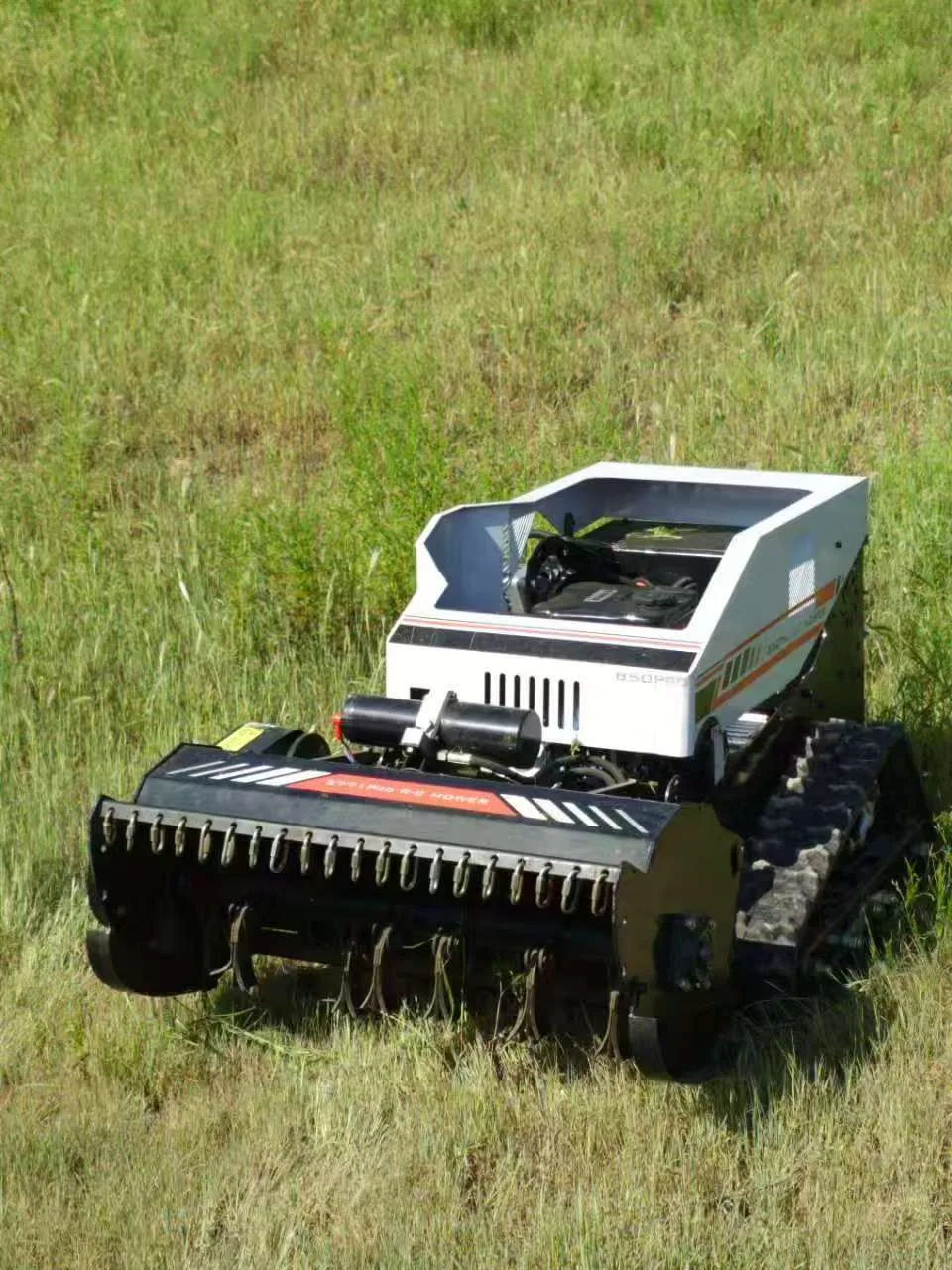
The first step is not choosing a valve. It is establishing what the circuit is supposed to do with the load. A deck lift that raises a cutting unit and holds it at height is solving a different problem from a travel or boom circuit that must arrest and lower a moving mass. The valve that suits one may be wrong for the other, even if both are described as "load holding."
A useful way to start is to write down what the circuit does in plain terms before looking at any valve symbol:
- What is being moved, and roughly how heavy is it relative to the machine?
- Does the load push back on the cylinder in the same direction as the piston rod, or does it resist motion?
- Does the function need to hold position for long periods, or mainly to lower in a controlled way?
- Is the function a work function (lifting a deck) or a travel/positioning function (a boom or drive circuit)?
- Which manual revision covers this exact machine and configuration?
Those answers frame everything that follows. They also protect the parts desk from a common error: ordering a valve because its name matches the customer's description rather than because the circuit drawing shows it there.
Confirm equipment and documentation
Named manuals are useful precisely because they are specific. The Toro Groundsmaster 3280-D and 3320 service manual (publication 05138SL) is a document for those machines; the Rayco RG1625A service manual (780377, February 2003 edition) is a document for that machine. Neither establishes anything about a different model, a later revision, or a mower from another maker.
When a customer describes a fault, ask for the machine's model, serial or revision information, and the manual section that covers the circuit. If the customer cannot supply the manual, the distributor's own document set is the next best reference. A parts diagram alone is weaker evidence than a service manual's circuit description, because a parts breakdown shows what is fitted, not necessarily how the circuit behaves.
Separate stated components from assumptions
A phrase like "it has a counterbalance valve on the lift" is a starting point, not a finding. The same word can appear in a manual for a valve that performs weight transfer on a cutting unit, and in another manual for a valve in a travel or boom circuit. The function, the setting, and the surrounding circuit can differ.
Keep three lists separate as you work: what the manual states, what the customer reports, and what you are assuming. The third list is the one that causes wrong parts orders. If a claim cannot be tied to a document for that machine, treat it as a question to confirm rather than a fact to quote.
Compare holding and controlled lowering

The practical difference between the two valve families comes down to what happens during lowering. A pilot-operated check valve is fundamentally a check valve with a release: it blocks flow in one direction and opens when pilot pressure is applied. That makes it good at locking a load in place. It is not, by itself, a descent-control device, because once it is piloted open it does not necessarily meter the load down smoothly.
A counterbalance valve is built around a pressure setting. It resists flow until pressure reaches a set level, and it can be arranged so that the load is held and then lowered in a controlled manner. That is why counterbalance valves are associated with loads that would otherwise run away, and why they are sometimes described as descent-control or over-centre valves in other contexts.
A simple comparison helps the service desk explain the difference to a customer:
| Question | Pilot-operated check valve | Counterbalance valve |
|---|---|---|
| Primary job | Lock flow in one direction until piloted open | Hold a load against a set pressure and regulate release |
| Typical strength | Secure holding with low leakage when closed | Controlled lowering of a load that would otherwise run away |
| Adjustment | Usually none beyond pilot ratio/spring selection | Pressure setting matters and must match the application |
| Risk if misapplied | Load may drop abruptly when piloted open | Wrong setting can cause poor holding or harsh lowering |
| Evidence needed | Circuit diagram and valve model from the machine manual | Circuit diagram, valve model, and stated setting from the manual |
This table is a general orientation, not a selection rule. The only reliable answer for a given machine is the circuit drawing and valve data in that machine's documentation.
Read named Danfoss application notes
Danfoss publishes application guidance for its valve families, including pilot-operated check valves. Those notes are useful because they explain the intended function of a valve type and the conditions under which it is applied. They are not, however, a statement about any particular mower, and they do not tell a technician what is fitted to a customer's machine.
Use manufacturer application notes to build understanding of the valve family, then return to the machine-specific manual to confirm what is actually installed. When the two disagree, the machine manual governs the machine.
Distinguish an overrunning load from simple holding
An overrunning load is one that tends to run ahead of the pump, for example a heavy implement descending under its own weight. Holding such a load securely is one problem; lowering it in a controlled way is another. A locking valve can solve the first and leave the second unsolved.
This distinction is where the Toro and Rayco examples earn their place. The Toro manual describes a counterbalance valve used in connection with cutting-unit weight transfer, which is a function about managing how a deck's weight is carried, not a universal template for every lift circuit. The Rayco manual describes named valves in travel or boom-related circuits. Reading both side by side shows that the same family name can sit in circuits with different jobs. Neither manual proves what any other machine uses.
Compare named component records

When two manuals use similar terminology, the useful work is to compare what each document actually records: the valve's location, its role in the circuit, its stated pressure or pilot arrangement, and the model scope of the manual. A side-by-side reading prevents the parts desk from treating one machine's arrangement as a general rule.
Application review
Discuss your mowing application.
Share the working condition, target market, product family and project scope.
A practical record for each machine might look like this:
| Record item | What to capture | Why it matters |
|---|---|---|
| Machine and manual | Model, serial range, manual publication number and date | Establishes the scope of the evidence |
| Circuit function | Lift, weight transfer, travel, boom, or other | Defines the job the valve must do |
| Valve type as named | Exact term used in the manual | Avoids substituting a familiar name |
| Stated setting or pilot data | Any pressure or pilot figure the manual gives | Prevents invented settings |
| Diagram reference | Page or figure number | Lets another technician verify the reading |
| Open questions | Anything the manual does not state | Keeps assumptions visible |
This is a documentation aid, not a specification sheet. If the manual does not state a pressure setting, the record should say so rather than leave a blank that later gets filled with a guess.
Read pressure, pilot and model scope
Pressure and pilot figures are the most commonly misquoted part of a valve discussion. A figure in a manual applies to the circuit and conditions described there. It is not a recommendation for another machine, and it is not a target for field adjustment. Distributors should quote such figures only with their source and context attached.
Model scope matters just as much. A manual covering the 3280-D and 3320 describes those models. A manual dated February 2003 for the RG1625A describes that machine as built at that time. Later revisions, option packages, and different configurations can change the circuit. Always confirm that the document matches the machine in front of the technician.
Avoid treating a diagram as the delivered circuit
A hydraulic schematic shows intended function. It does not confirm that the machine in the workshop still matches the drawing. Components may have been replaced, lines rerouted, or options added. The diagram is the reference; the machine is the evidence.
For that reason, a diagram should never be used on its own to order a valve or to advise a customer that a particular valve type is present. Pair the diagram with the machine's identification and, where possible, a physical confirmation by a qualified technician.
Prepare questions for qualified service

The distributor's most valuable role in this conversation is to ask good questions and route the work correctly. Valve selection, pressure setting, and any adjustment belong with the qualified service provider who has the machine and its current documentation. The distributor supplies accurate information and correct parts, not field instructions.
A short question set keeps the conversation productive:
- What is the machine's exact model, serial range, and manual revision?
- Which circuit is affected, and what does the operator say happens during holding and during lowering?
- Does the manual name the valve in that circuit, and what function does it assign?
- Has the circuit been modified, and are there records of previous repairs?
- What does the service provider need from us: a part identified by the manual, or documentation to support their own diagnosis?
These questions also protect against a common failure mode in parts supply: replacing a valve because it is the easiest component to blame, when the actual cause lies elsewhere in the circuit.
Request current machine-specific documentation
Documentation ages. Ask for the current manual revision rather than accepting a copy of unknown date. If the customer's manual is older than the machine, or the machine has options not covered by the manual, say so plainly and ask the service provider to confirm the circuit before a part is ordered.
For distributors supporting mixed fleets, keeping a small library of current manuals by model is more useful than keeping a folder of generic valve explanations. The generic explanation helps a counter person understand the terminology; the manual answers the question.
Leave selection and adjustment to the supplier
It is tempting to answer a valve question with a recommendation, especially when the customer is under time pressure. Resist that. Selection depends on the circuit, the load, the valve's pressure and pilot characteristics, and the machine manufacturer's design. Adjustment depends on the same factors plus a means of measurement.
A distributor who says "the manual names this valve for this circuit, and here is the part" is more useful than one who says "you need a counterbalance valve." The first answer can be checked. The second cannot.
FAQ

Does every hydraulic lift use a counterbalance valve?
No. A lift circuit may use a pilot-operated check valve, a counterbalance valve, a different arrangement, or a combination, depending on the machine's design and what the function requires. The Toro and Rayco manuals show named valves serving different circuit roles, which is a reminder that the term follows the function, not the other way round. Confirm from the machine's own documentation.
Can one valve type be selected by a generic diagram alone?
No. A generic diagram explains how a valve family works, but it does not show the load, the circuit, the pressure setting, or the machine's requirements. Selection should follow the machine-specific manual and the judgement of a qualified service provider. A diagram is a teaching aid, not a specification.
Conclusion

Counterbalance and pilot-operated check valves both hold loads, but they answer different questions about holding and controlled lowering. Confirm the circuit in the machine's own manual, keep assumptions visible, and let qualified service handle selection and adjustment.
For related reading on how flow and pressure shape cylinder behaviour, see hydraulic flow vs pressure and cylinder speed. Super Mowers' Remote 50 gasoline mower is publicly listed with an optional remote hydraulic lift; its specific valve type and circuit are not established by that listing and should be confirmed from its documentation.
Video: Vertical Cylinder Motion with a Counterbalance Valve
