

 By Anna
A fleet maintenance lead has a delivered mower, a blade deck due for service, and a torque figure that does not clearly belong to either. The safe outcome is not a number from memory or a forum; it is a traceable lawn mower blade bolt torque specification tied to that machine, deck, fastener and current manual revision.
There is no universal lawn mower blade bolt torque. The correct value must come from the manufacturer document that matches the exact model, serial range, configured deck and fastener location. When that document is missing or ambiguous, record what is known and hand the job to an authorised service provider rather than applying a borrowed figure.
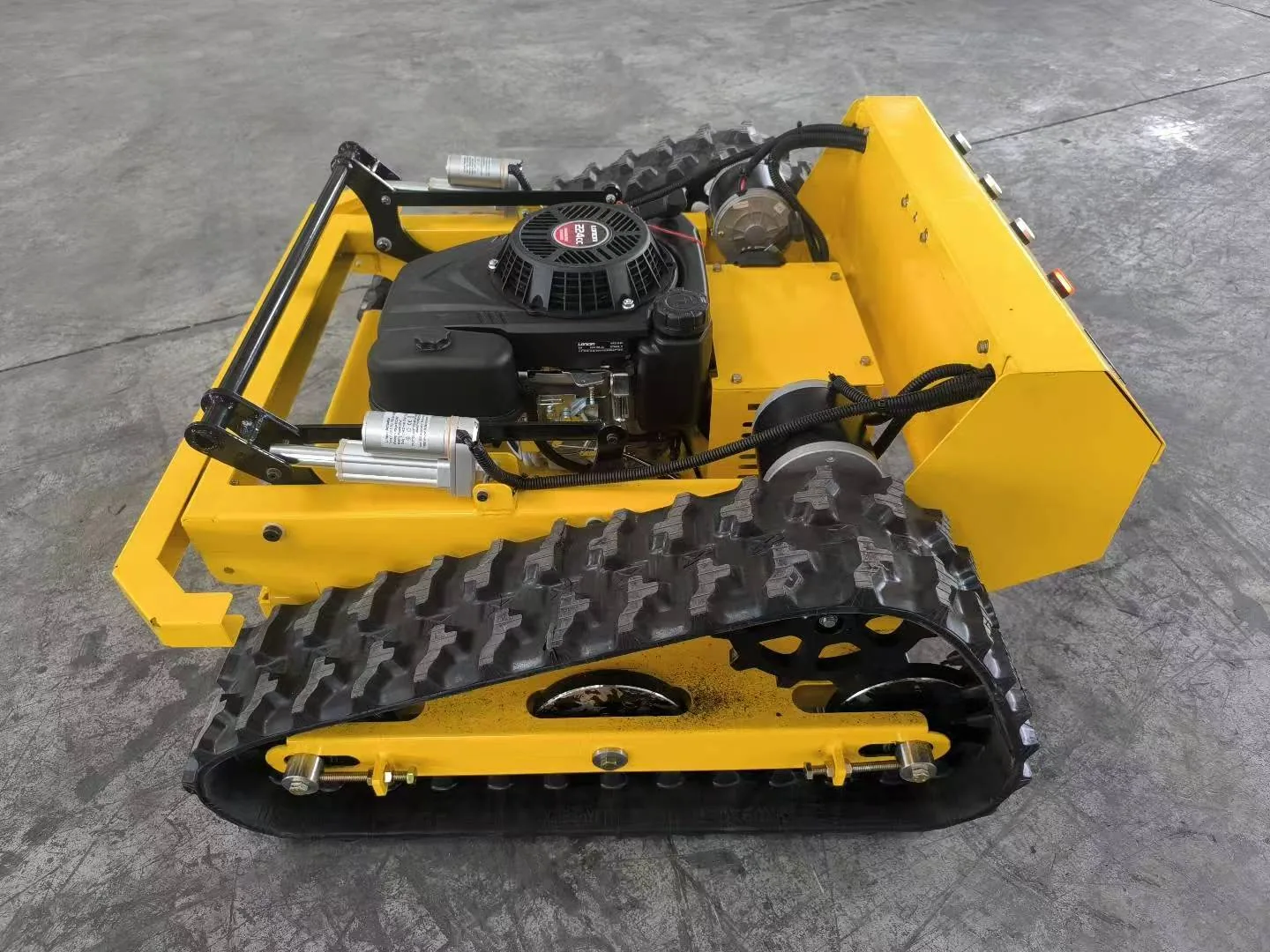
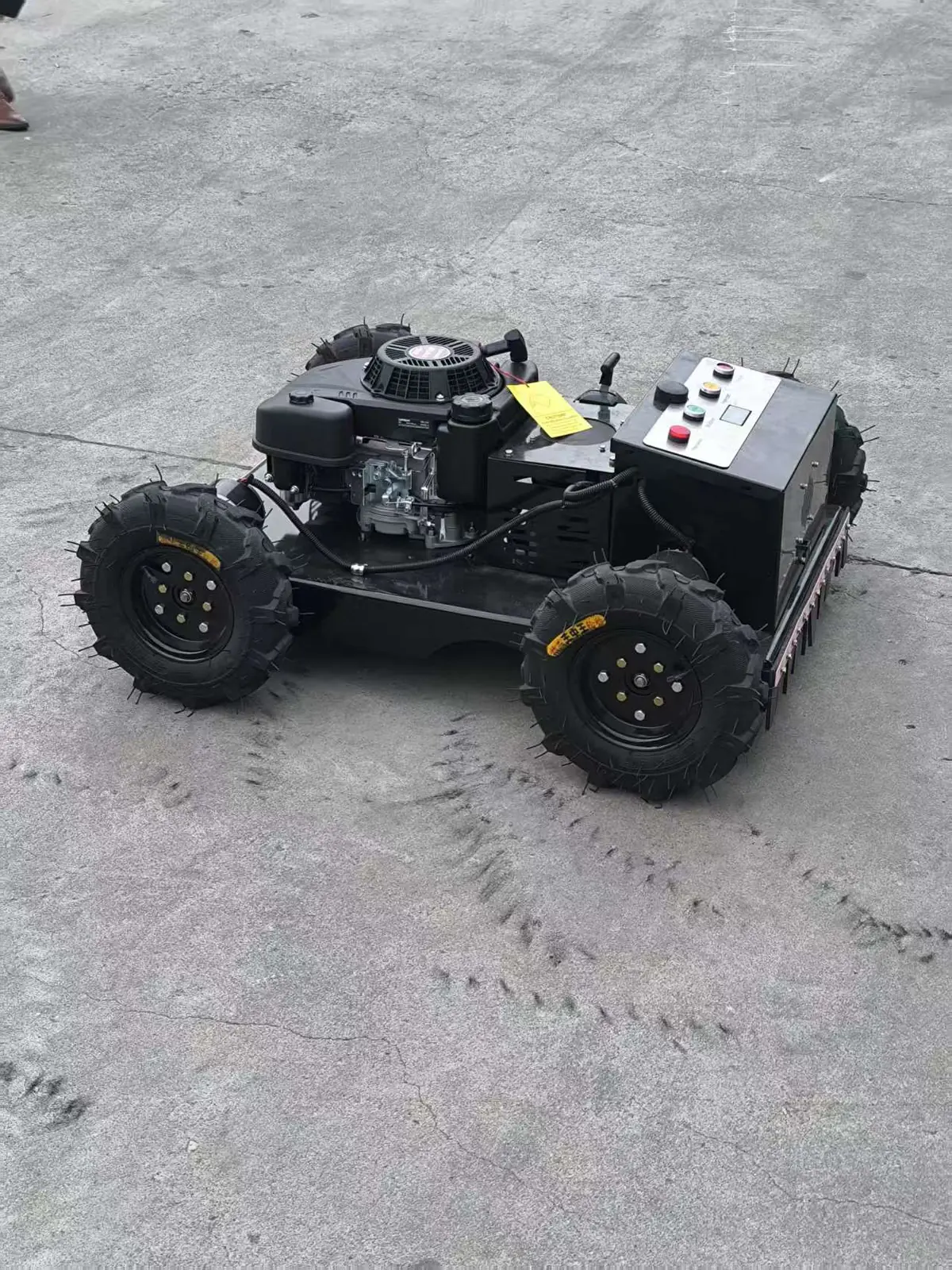
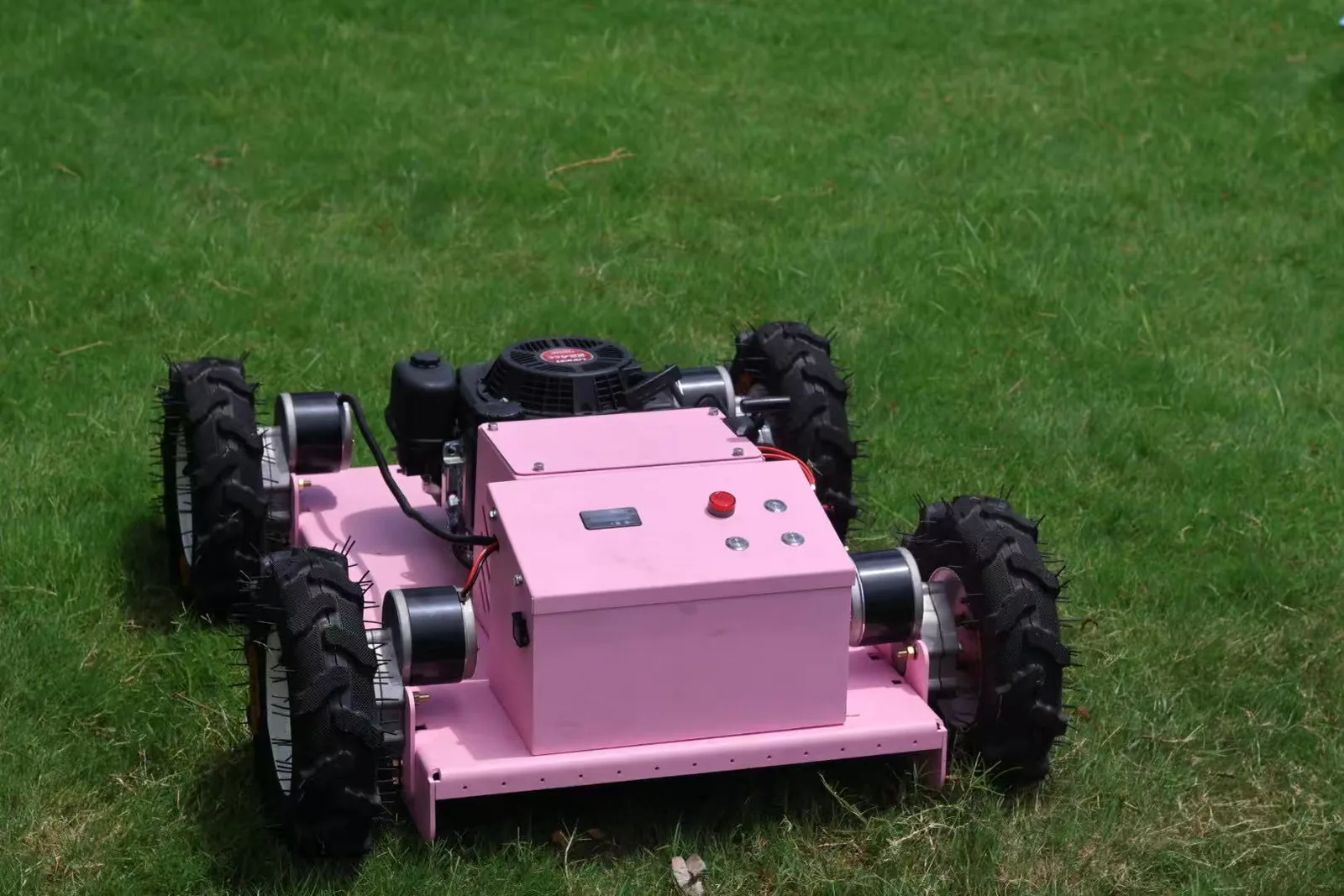
This article is a documentation and handover guide for commercial landscaping fleet supervisors and for dealers supporting remote-controlled mower after-sales. It does not give a torque number, a tightening sequence or a blade-removal procedure. Super Mowers’ public catalogue covers remote-controlled mowing equipment, but deck hardware and torque values must be verified against the actual delivered documentation for each machine.
Lawn mower blade bolt torque: Identify the exact mower, blade deck and fastener

The starting point is not the bolt; it is the machine. Two mowers that look identical in a yard photograph can carry different decks, different blade-mounting hardware and different manual revisions. Before anyone looks up a torque value, the record should identify the unit unambiguously and describe the fastener that will be tightened.
Record model, serial, deck and fastener location
Build a record card for each unit in the fleet. The card should capture the model designation, the serial number or serial range, the deck assembly fitted to that unit, and the specific fastener location being serviced. On a multi-spindle deck, the blade mounting point at each spindle is a separate location, and the hardware at one position may not be the same as at another.
Useful identifiers include the machine’s data plate or serial label, the deck’s own identification if it carries one, and the part number of the blade and of the fastener if these are visible in the delivered parts information. Where a unit has been through a deck swap, an attachment change or a repair, note that history on the card. A specification that was correct for the deck originally supplied may not apply after a replacement.
A practical record card looks like this:
| Field | What to record | Why it matters |
|---|---|---|
| Machine model | Exact model designation from the data plate | Family names are too broad for a specification lookup |
| Serial number | Full serial, or the serial range if the plate is worn | Manuals are often issued by serial range |
| Deck assembly | Deck model or part number as delivered | Decks can change within a model line |
| Fastener location | Spindle or blade position being serviced | Positions may use different hardware |
| Fastener part number | From delivered parts information, if available | Confirms the hardware is the intended item |
| Manual reference | Document title, revision and date | Establishes which instruction applies |
| Source holder | Who holds the document and where | Makes the record auditable later |
Separate blade mounting hardware from engine torque
Blade bolt torque and engine torque are different specifications for different fasteners. Engine specifications cover components such as cylinder head bolts, connecting rods or flywheel nuts; blade specifications cover the hardware that retains the blade to the spindle or blade carrier. Mixing the two is a common source of error, particularly when someone searches for a general “mower torque” chart and finds engine data first.
Keep the two categories on separate lines of the record card, and label each entry with the component it belongs to. If a workshop has a laminated torque chart on the wall, check whether it is a blade chart, an engine chart or a mixed sheet, and whether it names the models it covers. A chart without a model reference is not a specification for your machine.
Locate the current applicable manufacturer document
Once the machine and fastener are identified, the next step is to find the document that governs that combination. The operator’s manual, a separate service or workshop manual, a deck-specific supplement, a parts list or a technical bulletin may each carry relevant information, and they do not always agree. The current applicable document is the one issued for that model and serial range, in the revision that applies at the time of service.
Match serial range, revision and configured deck
Manufacturers commonly issue manuals by serial range because a running change may alter hardware, deck configuration or the specified value. A manual that covers serial numbers before a change may not describe a machine built after it. Check the serial range printed in the document against the machine’s plate, and check the revision date or revision letter against any copy already held in the workshop.
Deck configuration matters as well. If the delivered machine carries a deck that is described in a supplement rather than the base manual, the supplement takes precedence for that deck. The same logic applies to attachments and to any configuration recorded at handover.
A document-matching checklist helps prevent the most common mix-ups:
| Check | Question to answer | If the answer is unclear |
|---|---|---|
| Model coverage | Does the document name this exact model? | Treat the document as unverified for this unit |
| Serial coverage | Does the serial fall inside the stated range? | Ask the manufacturer or dealer to confirm |
| Revision | Is this the latest revision held for that range? | Obtain the current revision before use |
| Deck coverage | Does the document cover the deck actually fitted? | Look for a deck supplement or confirm with the supplier |
| Fastener coverage | Does it address the blade mounting hardware at the location being serviced? | Do not substitute engine data |
| Language and units | Are the units and any conditions stated clearly? | Record the ambiguity rather than guessing |
Do not borrow a specification from another model
Public search results for blade torque often return values from other manufacturers, other model lines or general repair articles. Those values may be perfectly correct for the machine they describe, and still be wrong for yours. Fastener size, thread, material, washer arrangement, blade carrier design and spindle assembly all affect what the manufacturer specifies.
Treat any figure that does not come with a model, serial range and document reference as unverified. That includes figures in forum threads, in generic torque tables, in video descriptions and in AI-generated summaries. The same caution applies across brands: a value published for one manufacturer’s zero-turn mower is not evidence for a Super Mowers deck, and a value published for a Super Mowers model is not evidence for a different model or deck.
Where a fleet runs several brands, keep a separate document set per brand and per model. Cross-brand comparison can be useful for understanding why values differ, but it is not a lookup method.
Read the specification and its conditions
Finding a figure in a manual is not the end of the task. The specification has to be read in context: which fastener it applies to, in what units, under what conditions, and with what hardware. A number copied without its conditions can be as misleading as no number at all.
Record units and any manufacturer-stated conditions
Torque may be stated in newton-metres, foot-pounds or inch-pounds, and the unit matters. A figure in inch-pounds is roughly twelve times the same figure in foot-pounds, so a unit error is a serious error. Record the unit exactly as printed, and if a conversion is needed for a workshop tool, note both the original and the converted value with the conversion shown.
Conditions matter too. A manufacturer may state whether the value applies to a dry or lubricated thread, whether a washer or retaining compound is specified, whether hardware should be replaced rather than reused, and whether the value applies to a specific blade or carrier design. Record these conditions alongside the number. If the manual states a value only for a particular hardware combination, that combination is part of the specification.
Application review
Discuss your mowing application.
Share the working condition, target market, product family and project scope.
A specification entry on the record card should therefore read as a complete statement, not a bare figure:
| Element | Example of what the record should show |
|---|---|
| Component | Blade mounting fastener at a named spindle position |
| Value and unit | As printed in the source, with unit stated |
| Conditions | Any stated thread, washer, compound or replacement condition |
| Source | Document title, revision, page or section |
| Applicability | Model, serial range and deck covered |
| Reviewer | Name and role of the person who confirmed the entry |
Leave unspecified values blank
If the documentation does not state a value for the fastener in question, the correct entry is blank, with a note explaining why. A blank field is an honest record; a filled field with a guessed or borrowed number is a false one. The same applies when a manual refers to a dealer service procedure without printing the figure, or when the only available copy is incomplete.
Blank fields should trigger the escalation route described below rather than a search for a substitute. Fleet records that show “not specified in available documentation — referred to authorised service” are more useful in an audit than records that show a number of unknown origin.

Make a qualified service handoff
When the specification is confirmed, the handoff to the person doing the work should carry the evidence with it. When it is not confirmed, the handoff should say so clearly and route the job to someone with access to the correct documentation and the competence to apply it. In both cases the handoff is a record, not a verbal message.
Attach the source and record the reviewer
The work order should reference the document used: its title, revision, the section or page, and the model and serial range it covers. Attach a copy or a scan where practical, so the technician does not have to rely on a transcription. Record who confirmed the specification and when, and record who will perform the work.
This matters for fleets because blade service recurs. A well-built record card can be reused at the next service interval, and it gives a new technician or a relief contractor the same starting point as the regular team. It also supports the handover between a dealer and an end customer: the dealer can pass on the applicable document reference with the machine, and the customer’s maintenance lead can file it against the serial number.
A simple responsibility split keeps the handoff clear:
| Step | Fleet maintenance lead | Dealer or after-sales support | Authorised service technician |
|---|---|---|---|
| Identify machine and fastener | Records model, serial, deck and location | Confirms delivery configuration | Confirms the hardware present |
| Locate the document | Files the manual revision held | Supplies the applicable document for the delivered unit | Checks it matches the machine |
| Read the specification | Records value, unit and conditions | Clarifies coverage where needed | Applies the stated specification |
| Handle gaps | Flags missing or ambiguous entries | Escalates to the manufacturer | Declines work until documentation is confirmed |
| Close the record | Files the completed card | Updates the customer file | Signs off the work performed |
Escalate when documentation is missing
Missing documentation is a normal situation in a mixed fleet, particularly where machines have been bought used, where decks have been swapped, or where the manual held on file predates a running change. The response should be a defined escalation, not improvisation.
A workable escalation path runs from the fleet lead to the dealer or after-sales contact, and from there to the manufacturer’s technical support if the dealer cannot confirm coverage. The enquiry should include the model, serial number, deck identification, fastener location and part number if known, plus a note of which documents are already held. That package lets the support team identify the right document quickly instead of exchanging several rounds of questions.
Until the specification is confirmed, the blade service should wait. This is not a comment on any individual technician’s skill; it reflects the fact that the correct value depends on information that is not yet in hand. Related maintenance planning, such as scheduling blade sharpening or identifying belt part numbers, can continue in parallel using the site’s own records — see the Super Mowers guidance on a commercial mower blade sharpening schedule and on lawn mower belt size and part numbers for the record-keeping approach.
FAQ

Do all mowers use the same blade bolt torque?
No. Blade mounting hardware differs between models, decks and production changes, and manufacturers publish values for their own configurations. A figure that applies to one machine is not a general specification. The only reliable source is the document that covers the exact model, serial range and deck being serviced.
Which document identifies the correct fastener?
The document that covers the delivered machine. That may be the operator’s manual, a service manual, a deck supplement, a parts list or a technical bulletin, depending on the manufacturer and the model. Check that it names the model, falls within the correct serial range, covers the fitted deck and addresses the blade mounting hardware rather than engine components.
What if the manual is missing?
Record what is known — model, serial, deck, fastener location and any part numbers — and refer the job to the dealer or authorised service provider. Do not substitute a value from another model, another brand or a general torque chart. The dealer can request the applicable document from the manufacturer and confirm coverage before the work proceeds.
Conclusion
Blade bolt torque is a model-specific specification, not a universal figure. Build the record card, match the document to the machine, and escalate when evidence is missing. Confirm the applicable manual with your dealer before the next blade service.
Video: Zero Turn Mower Blade Torque: Don't Assume ft-lb Based on Bolt/Nut Size
