
 By Anna
A dealer’s service desk gets a request: “What lawn mower tire pressure should we run on our wheeled remote mowers?” Before anyone answers with a number, the fleet record has to show whether those wheels are pneumatic at all, which model and serial range is involved, and which document supplies the operating value. This guide builds that check step by step.
The correct operating pressure comes from the manufacturer’s documentation for the exact model, serial range, and tire configuration — not from the tire sidewall and not from another machine. If the wheel is not pneumatic, or the supplied file does not state a pressure, record that gap and refer the question to the supplier instead of estimating a value.
Lawn mower tire pressure: Check whether the wheel is pneumatic

The first question is not “what pressure?” but “is there air inside this tire?” Wheeled remote mowers are sold with different wheel constructions, and a pressure value only applies to a tire that is designed to be inflated. A fleet record that lists a pressure against a solid or semi-solid wheel is worse than no record, because it invites someone to look for a valve that does not exist or to treat a non-pneumatic wheel as if it needed routine inflation checks.
Start from the machine itself and its documents. Look at the wheel assembly, the presence and type of valve, and any marking on the tire or rim. Then compare what you see with the model record and the operator or maintenance documentation supplied with that unit. Where the two disagree, the written configuration record for that serial number takes priority over an assumption based on a photograph of a similar machine.
Record model and wheel construction
Build the identification line before any pressure discussion. Useful entries are the model designation, the serial number or serial range, the number of wheels, the wheel position (front, rear, left, right, or caster), and the wheel construction as documented. Add the source of that construction information — for example, the model record, the operator manual revision, or a supplier confirmation — so a later reader can see why the entry is trusted.
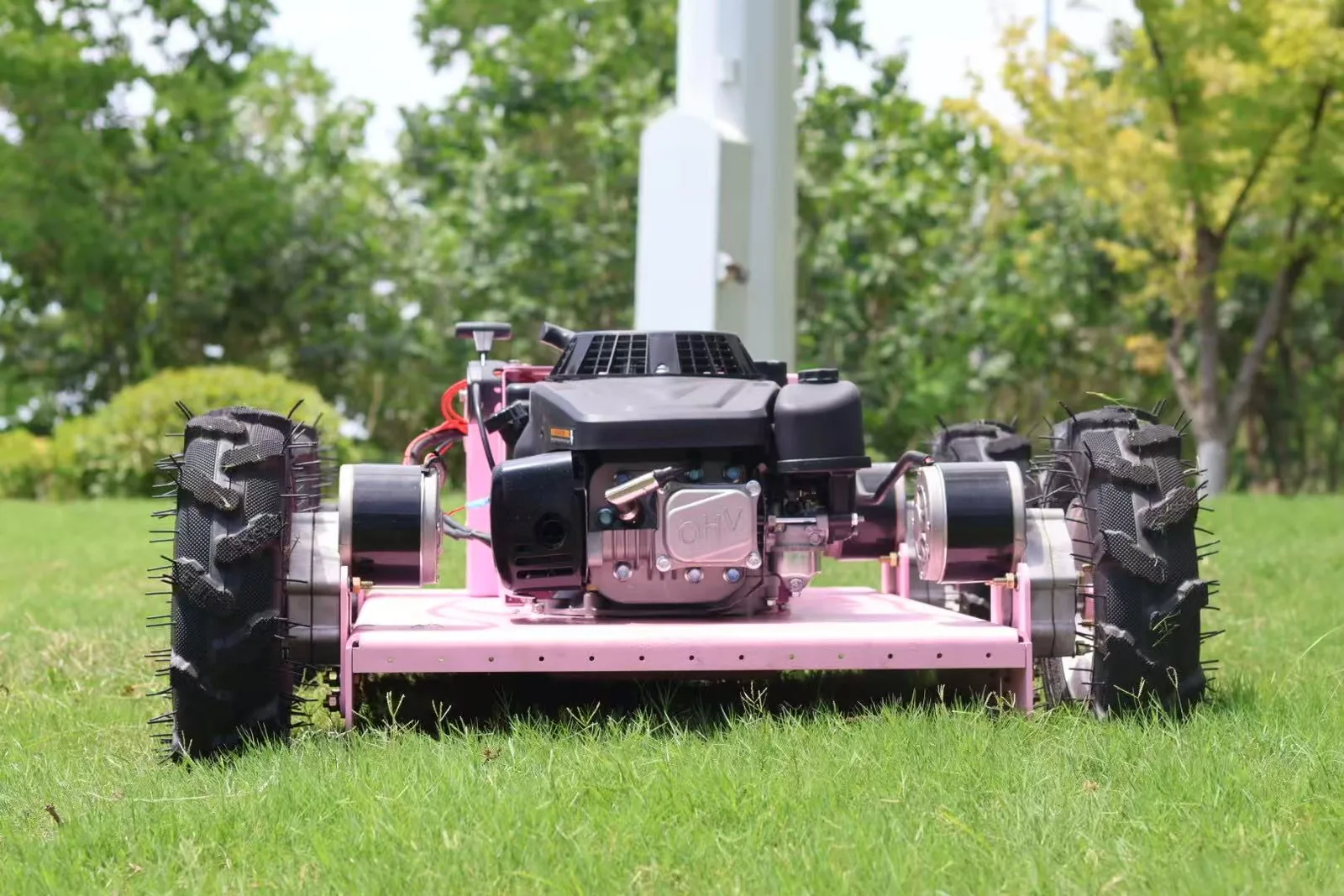
For Super Mowers, the public model record for the DY-550L wheeled remote mower documents a wheeled, gasoline-engine configuration. That record establishes the machine as wheeled; it does not, in the material available for this article, confirm whether the tires are pneumatic or what operating pressure applies. Treat “wheeled” and “pneumatic” as two separate facts and record them separately.
Stop if the supplied tire type is unknown
If the wheel construction cannot be confirmed from the documents you hold, stop the pressure step. Do not fill in a plausible number, do not copy a value from a similar-looking machine, and do not ask a technician to “set them all the same” as a workaround. Instead, mark the record as pending and raise a specific question with the supplier: does this model and serial range use pneumatic tires, and if so, which document states the operating pressure for each wheel position?
This is not excessive caution. A pressure figure is only meaningful when it is tied to a tire that is meant to hold air, and the responsibility for that value sits with the manufacturer of the machine and its documentation. A dealer service team that records the gap honestly protects the customer, the technician, and its own warranty paperwork.
Find the manufacturer operating specification
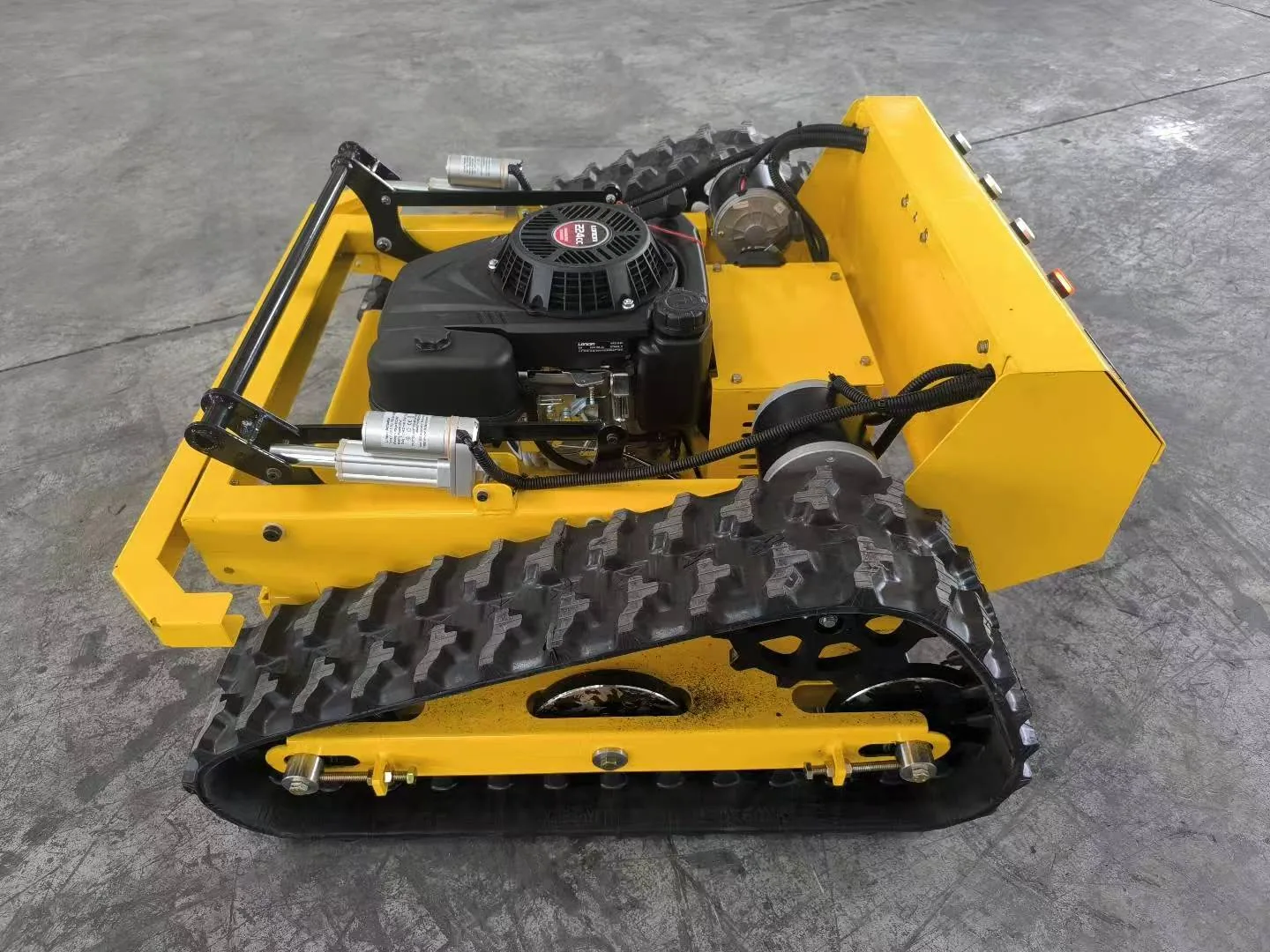
Once the wheel is confirmed as pneumatic, the next task is locating the operating specification in the right document. That means the manual or maintenance information that belongs to the machine in front of you, at the revision that matches its build. A manual for a different model, a sales sheet, a generic tire guide, or a support page for another brand’s machine does not supply the operating value for your unit.
Documentation practice varies by manufacturer. Some publish a single maintenance table covering all wheel positions; others list pressures per axle or per tire size; others state that the value is marked on the machine or supplied on request. Because the format is not standard, the service team’s job is to find the value in the document that governs the specific unit, quote it with its source, and note the revision date. If the document is silent, that silence is the finding.
Match serial number and tire configuration
Serial ranges matter because manufacturers change tire suppliers, wheel sizes, and configurations over a production run. A manual covering “SN 2474 onward,” for example, applies to that range and that revision — the SPIDER ILD01G operator manual supplied as a competitor reference is scoped exactly that way, to ILD01G units from serial number 2474 onward in its 2019 revision. That scoping is normal and useful: it tells you the document is authoritative only inside its stated boundary.
Apply the same discipline to your own fleet. Record the serial number, the manual revision you consulted, and the tire configuration the manual describes. If the manual covers more than one tire option, identify which option the machine carries before reading a pressure. If the machine has been modified — different wheels fitted in the field, for instance — the original manual value may no longer describe it, and that change should be escalated rather than absorbed silently into the service log.
Do not assume front and rear values match
Front and rear wheels on mowing equipment often differ in size, load, and function, and some manufacturers publish different operating pressures for different positions. Others publish one value for all wheels. You cannot tell which applies without reading the document.
A practical rule for the service desk: never write a single pressure across a multi-wheel machine until the source document shows that the value covers every position. If the document lists per-position values, transcribe them position by position into the record. If it lists one value and does not state its scope, ask the supplier to confirm whether it applies to all wheels. This prevents a common and quiet error — a correct number applied to the wrong wheel.
Separate operating value from sidewall limit

The tire sidewall carries a maximum. That maximum is not the mower’s operating target. The sidewall figure describes a limit for the tire under the conditions defined by the tire maker; the machine manufacturer’s operating value describes what the machine is designed to run in service. These are different numbers with different roles, and confusing them is one of the most common reasons a fleet ends up with the wrong setting.
A simple way to keep them apart in your records is to give each number its own field and its own source. The operating value cites the machine documentation. The sidewall figure cites the tire itself. Neither field is allowed to overwrite the other, and neither is used as a substitute when the other is missing.
Read each value in its documented role
| Value | Where it comes from | What it describes | How to use it in a service record |
|---|---|---|---|
| Operating pressure | Machine manual or maintenance documentation for the exact model, serial range, and tire configuration | The pressure the machine is designed to run in service | Record with document name, revision, and wheel position; use for service planning |
| Tire sidewall maximum | Marking on the tire itself | A limit defined by the tire maker for that tire | Record as identification data only; do not treat it as the service target |
| Pressure from another model or brand | Another machine’s manual or a general support page | That other machine’s specification | Do not use; note only as a comparison if clearly labelled |
| No value available | Missing or silent documentation | Unknown | Escalate to the supplier; leave the field blank rather than estimated |
Application review
Discuss your mowing application.
Share the working condition, target market, product family and project scope.
Husqvarna’s zero-turn mower support topic on tire pressures is an example of a manufacturer publishing pressure guidance for its own product family, with the exact model not exposed in the reference available here. It is useful as a demonstration that manufacturers do publish this information and that the machine maker is the right source. It is not a source for a remote mower’s value, and it should not be cited as one.
Do not transfer a competitor value
Remote mowers from different makers are not interchangeable on tire specification. The SPIDER ILD01G operator manual referenced for this article includes transport and tire examples, but it is scoped to that competitor model and serial range. Nothing in it establishes a value for a Super Mowers machine, and nothing in a Super Mowers record should be back-filled from it.
If a customer or technician offers a number from another machine, the correct response is to acknowledge it as a comparison point and then return to the governing document. Where the governing document is missing, the comparison does not become the answer — it becomes part of the escalation note explaining what was checked and why the value is still open. This keeps the service record defensible and stops informal numbers from spreading across a fleet.
Prepare a fleet service request

When the pressure value cannot be confirmed internally, the deliverable is a clean service request to the supplier, not a guess. A good request lets the supplier answer in one pass: it identifies the machine precisely, states what is already known, shows what was checked, and asks a narrow question. That structure also creates a record you can reuse when the next unit in the fleet raises the same issue.
For related background on how cutting-height specifications are handled for remote mowers, the site’s article on remote-control mower cutting height shows a comparable approach: identify the model, find the documented specification, and keep the value tied to its source. Tire pressure follows the same discipline, with one extra gate at the start — confirming that the wheel is pneumatic at all.
Log wheel position and evidence
A fleet log that supports both routine service and later questions should capture the following for each unit.
| Field | What to enter | Why it matters |
|---|---|---|
| Model | Exact model designation | Prevents cross-model answers |
| Serial number or range | As stamped on the machine | Ties the answer to the correct build and manual revision |
| Wheel construction | Pneumatic, solid, or unknown, with source | Decides whether a pressure applies at all |
| Wheel positions | Front, rear, left, right, caster | Allows per-position values where documented |
| Operating value | Number plus document name and revision | Makes the value auditable |
| Sidewall maximum | Number plus tire marking | Keeps the limit in its own field |
| Status | Confirmed, pending, or escalated | Shows the reader what is still open |
Keep the log in a form the whole service team can read, and make “unknown” an acceptable entry. A record that admits a gap is more useful than one that hides it behind a borrowed number.
Escalate missing or conflicting information
Escalate when the manual does not state a pressure, when the manual and the machine disagree about tire configuration, when a machine has been fitted with non-original wheels, or when two documents give different values for the same position. In each case, describe the conflict rather than resolving it locally. Include photographs of the tire marking and valve, the serial plate, and the manual page you consulted, and state the exact question you need answered.
A short escalation template works well: machine model and serial; wheel positions involved; what the documentation says (with revision); what the machine shows; what has already been ruled out; and the specific confirmation requested. This is also the right moment to confirm whether the supplier expects any follow-up checks after a wheel or tire change, since a replacement tire may not match the original specification.
FAQ
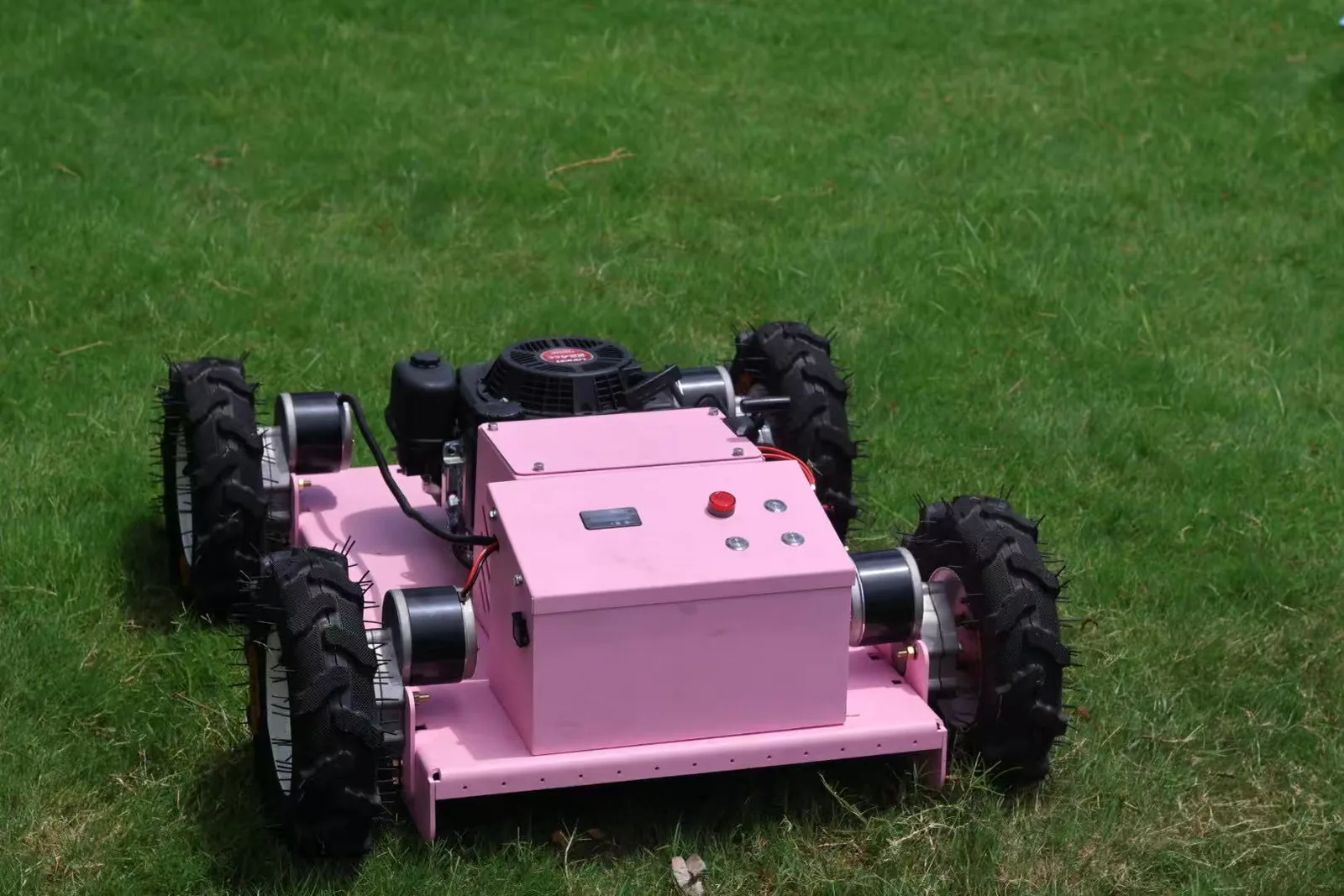
Are all wheeled remote mowers fitted with pneumatic tires? No. “Wheeled” describes the drive and support arrangement, not the tire construction. A wheeled remote mower may use pneumatic, solid, or other wheel types depending on the model and configuration. Confirm the construction from the machine and its documentation before applying any pressure value.
Is the tire sidewall maximum the operating target? No. The sidewall maximum is a limit marked by the tire maker. The operating target is the value published by the machine manufacturer for that model, serial range, and wheel position. Keep the two in separate fields and use only the manufacturer’s operating value for service planning.
What if the manual does not show a pressure? Record the gap and escalate to the supplier with the model, serial number, wheel positions, and the documents you checked. Do not substitute a value from another model, another brand, or the tire sidewall. A missing value is a documentation question, not an invitation to estimate.
Conclusion
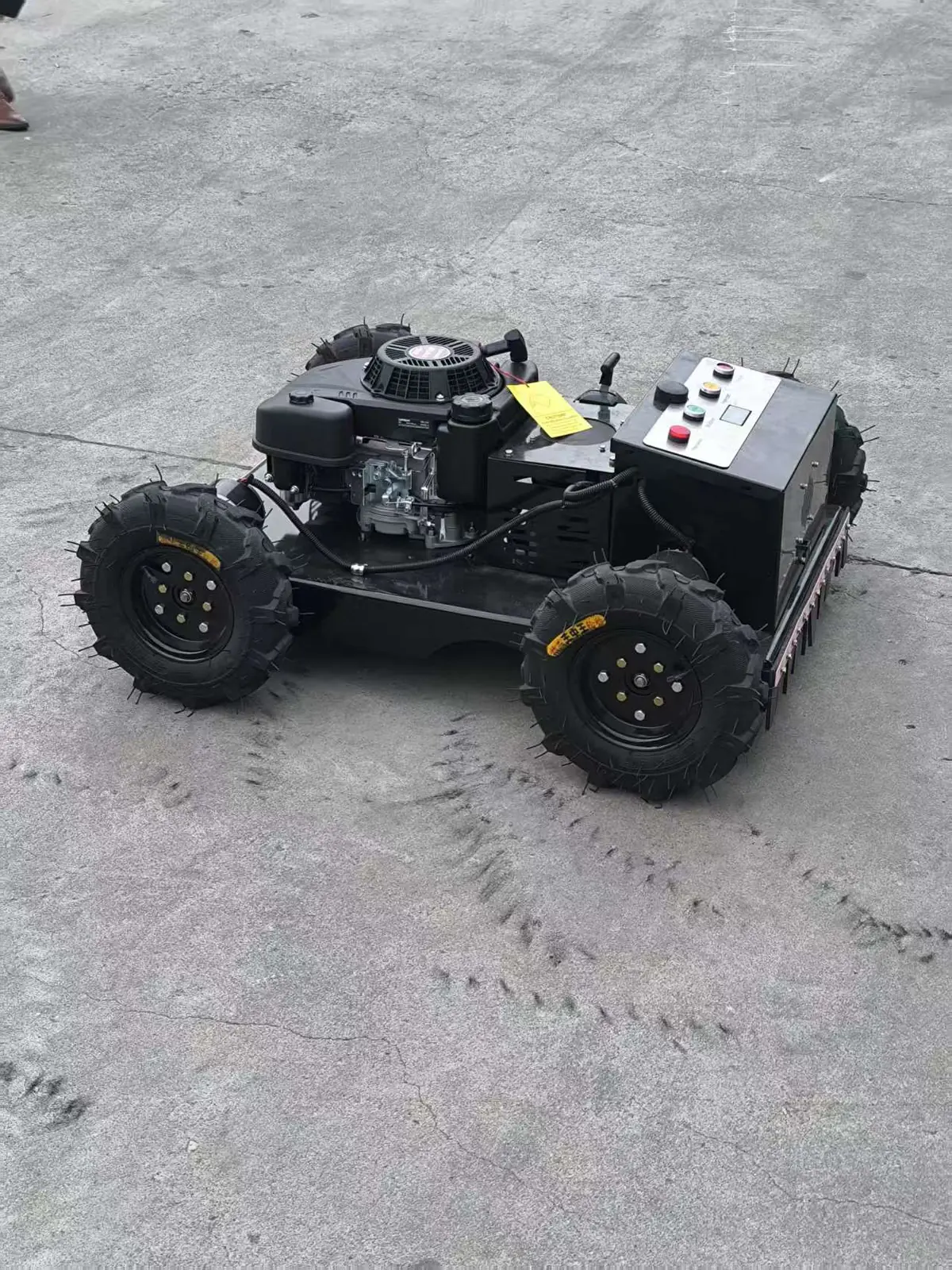
Confirm the wheel is pneumatic, match the manual to the model and serial range, and keep the operating value separate from the sidewall limit. When the value is missing, log the gap and ask the supplier.
Video: What PSI Should You Air Up Your Lawn Mower Tires To? Proper Tire Pressure For Small Engine Equipment
