

 By Anna
A batch of remote mowers arrives at your service bay with mixed engines, mixed filter housings, and paperwork that may not match the machines in front of you. Before anyone decides how to clean a lawn mower air filter, taps out an element, or replaces an intake filter, you need to know which engine is fitted and which manual governs that unit.
Treat the air filter as a documented part, not a consumable you can improvise around. Record the machine, the delivered engine code, the filter assembly, and the manual revision first. Then follow only the actions that the matching manual permits, and escalate to the dealer or authorized service when the document or part identity is missing.
This article is written for dealer after-sales staff and grounds-contractor fleet technicians who look after remote-controlled mowers. It does not provide a universal cleaning recipe. It sets out a check-card approach: identify the unit, identify the filter, confirm what the manual allows, and only then decide between in-house service, a parts request, or a handover to authorized repair.
Clean lawn mower air filter: Identify the machine and engine

The first step is to stop treating the fleet as one product. A remote mower is a platform, and the engine fitted to a given unit determines which intake filter and which service instructions apply. Two machines that look identical from the outside can carry different engines, and a work order that lists only the mower model is not enough to order a filter or approve a cleaning step.
Start from the asset record. Write down the mower model, the asset or serial number, the delivery date, and any engine plate details that are physically present on the unit. Photograph the engine identification plate and the filter housing before you open anything. If the plate is unreadable or missing, that is already a reason to pause rather than guess.
Separate gasoline, diesel and electric units
Not every remote mower has a gasoline engine, and not every machine in a mixed fleet has an intake air filter of the kind discussed here. Super Mowers’ public model records describe a wheeled gasoline-engine configuration for the DY-550L and a tracked gasoline configuration for the Remote 50. Those records show that gasoline platforms exist in the range; they do not establish that every unit a dealer services is gasoline-powered, and they do not supply a serial-specific engine manual.
An electric unit has no internal-combustion intake air filter, so a generic “clean the air filter” instruction in a work order is a sign that the task was written for the wrong machine. Diesel units, where present, have their own intake systems and their own documentation. Sorting the fleet into fuel type before scheduling filter work prevents wasted parts requests and prevents a technician from opening a housing that should not be opened under that work order.
A simple first-pass sort looks like this:
| Fleet question | Why it matters for filter work | What to record |
|---|---|---|
| Is the unit gasoline, diesel, or electric? | Only combustion engines have an intake air filter; electric units do not | Fuel type as delivered, confirmed from the unit and paperwork |
| Which mower model and configuration? | Wheeled and tracked platforms may differ in layout and access | Model name, wheeled/tracked configuration, asset or serial number |
| Which engine is fitted? | The engine, not the mower brand alone, usually governs the filter part and service action | Full engine code from the engine plate |
| Is the delivered manual present? | Permitted actions are document-specific | Manual title, document number, revision, and where it is stored |
Record the delivered engine code
A partial engine description is not enough. “Honda engine” or “gasoline engine” will not reliably identify a filter element, and it will not tell you whether the manufacturer permits cleaning at all. Record the complete engine code exactly as stamped or printed, including any suffix that distinguishes variants. Where the plate is damaged, record what is legible and flag the rest as unconfirmed rather than filling the gap from memory.
Simplicity’s support material notes that its mowers can use different engine makes, which is a useful reminder that the mower brand does not automatically define the engine. The same logic applies to a remote-mower fleet: the engine fitted at delivery is the reference point, and the engine manual or the mower manual section that covers that engine is the document to consult.
Identify the filter assembly
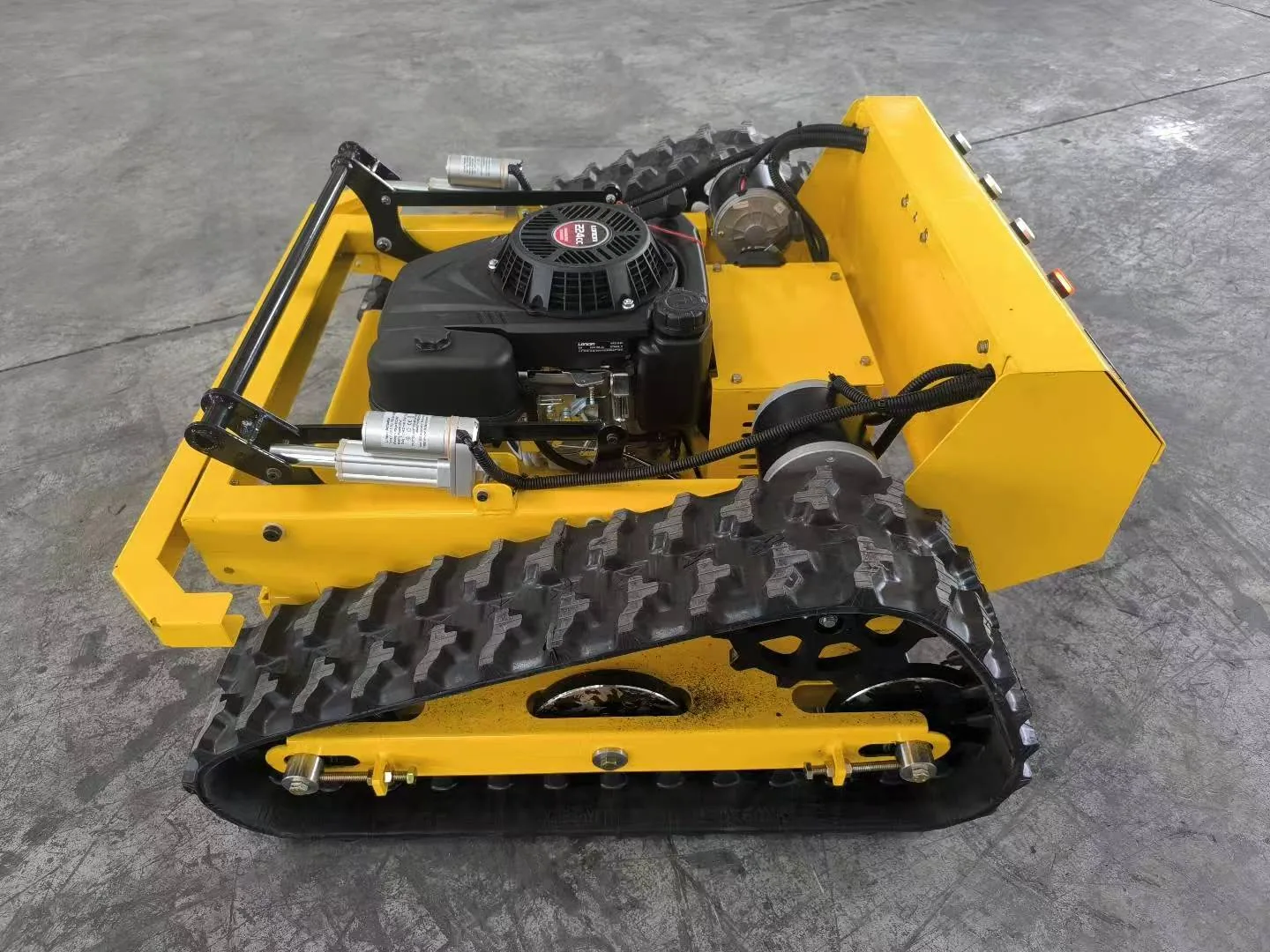
Once the engine is recorded, identify the filter assembly on that specific unit. Intake systems are not interchangeable between engines, and even within one engine family the housing, element type, and any pre-filter can differ. The goal at this stage is description, not cleaning: what material is the element, is there a separate pre-filter, is the housing sealed with a gasket or a cover clip, and does the manual show the same layout as the machine in front of you?
Husqvarna’s support article on cleaning or replacing a lawn mower air filter separates paper and foam sections and states that model instructions take precedence. That is the right hierarchy for a fleet: the general article helps you recognise what you are looking at, but the model-specific instruction decides what you may do.
Paper, foam and pre-filter may differ
Paper elements, foam elements, and separate pre-filters are different components with different handling. A foam pre-filter wrapped around a paper element is not the same part as a foam-only element, and a paper pleated element is not automatically cleanable just because another machine’s paper filter was. The material matters because the permitted action may differ by material and by manual.
This is where fleet standardisation goes wrong. A service manager who writes one procedure for “air filters” across a mixed batch will eventually apply a foam-filter step to a paper element, or a paper-element instruction to a foam pre-filter. Instead, describe the assembly per asset and let the manual decide. If the material cannot be identified with confidence, treat the item as unknown and escalate rather than experimenting.
| Filter form | What to confirm before any action | Typical record entry |
|---|---|---|
| Paper pleated element | Whether the matching manual permits cleaning or specifies replacement only | Material, part reference if legible, manual section cited |
| Foam element | Whether the manual permits washing or other handling, and what it says about refitting | Material, condition, manual section cited |
| Foam pre-filter over paper element | That both components are identified separately | Pre-filter and element recorded as separate items |
| Unknown or unmarked element | Nothing may be assumed | Flag as unidentified; escalate before service |
Match the part to its own manual
The Honda HRM215/HRB215 owner’s manual, document 31VE2620, is a useful example of why the document, not the material category, controls the decision. It is a historic, model-specific manual for those mowers, and its printed page 51 (PDF page 53) covers air-filter handling for those models. It is not a universal instruction for remote mowers, and it does not establish what any Super Mowers unit permits. Its value here is methodological: a manual for a defined model gives defined actions, and a different model’s manual does not transfer.
Apply the same discipline to the fleet. For each asset, locate the manual section that covers the engine and filter actually fitted. Check that the document revision matches the machine generation where the paperwork allows that check. If the manual shows a housing that does not match the unit, stop and confirm with the dealer or the manufacturer’s support channel rather than forcing the procedure.
Decide whether service is permitted

Application review
Discuss your mowing application.
Share the working condition, target market, product family and project scope.
With the machine, engine, filter assembly, and manual identified, the service decision becomes a comparison rather than a judgement call. Read the matching manual section and answer three questions: does it permit any cleaning of this element, does it specify replacement instead, and does it set conditions such as inspection intervals or rejection criteria? Record the answer with the document reference so the next technician can audit the decision.
This is also where same-material exceptions show up. Two manuals may both describe a paper element but allow different handling, or one may permit cleaning a foam pre-filter while another treats the whole assembly as replace-only. The comparison below is a decision framework, not a claim about what any particular Super Mowers manual says; the actual permitted action must come from the document supplied with the unit.
| Manual says | Fleet action | Record to keep |
|---|---|---|
| Cleaning permitted for this element | Follow only the stated method and conditions | Manual reference, method used, date, technician |
| Replacement specified | Do not clean; order the correct part | Manual reference, part request reference |
| Inspection only, with rejection criteria | Inspect and record condition against the criteria | Condition notes, photos, decision |
| No matching section or document missing | Stop; escalate to dealer or authorized service | Reason for escalation, who was contacted |
Compare model-specific instructions
Model-specific instructions take precedence over general advice, and this is stated plainly in Husqvarna’s own support material. In practice, that means a general article, a training slide, or a colleague’s habit cannot override the manual for the unit on the bench. When two documents appear to conflict, the one that matches the exact model and engine fitted wins, and the conflict should be noted in the asset record.
For a mixed batch, build the comparison before the work starts. List each asset, its engine code, its filter assembly, and the manual section that applies. Where two assets share an engine and a manual, they can share a procedure. Where they do not, they should not share one. This is slower on the first batch and much faster on the second, because the mapping is reusable.
Stop and escalate if the document is missing
A missing or mismatched manual is a stop condition, not an invitation to improvise. The same applies when the engine code cannot be read, when the filter material is unknown, or when the housing does not match the diagram. In those cases the correct action is to leave the assembly as it is, record the gap, and route the unit to the dealer or authorized service for confirmation.
MERI’s remote mower parts and support page is an example of a manufacturer-specific support route for remote mower service. It is MERI-specific and does not establish SANYANG or Super Mowers availability or compatibility, but it illustrates the principle: the support channel tied to the actual machine is the place to confirm parts and permitted work. Use the equivalent route for the brand and model in front of you.
Build a service and parts record
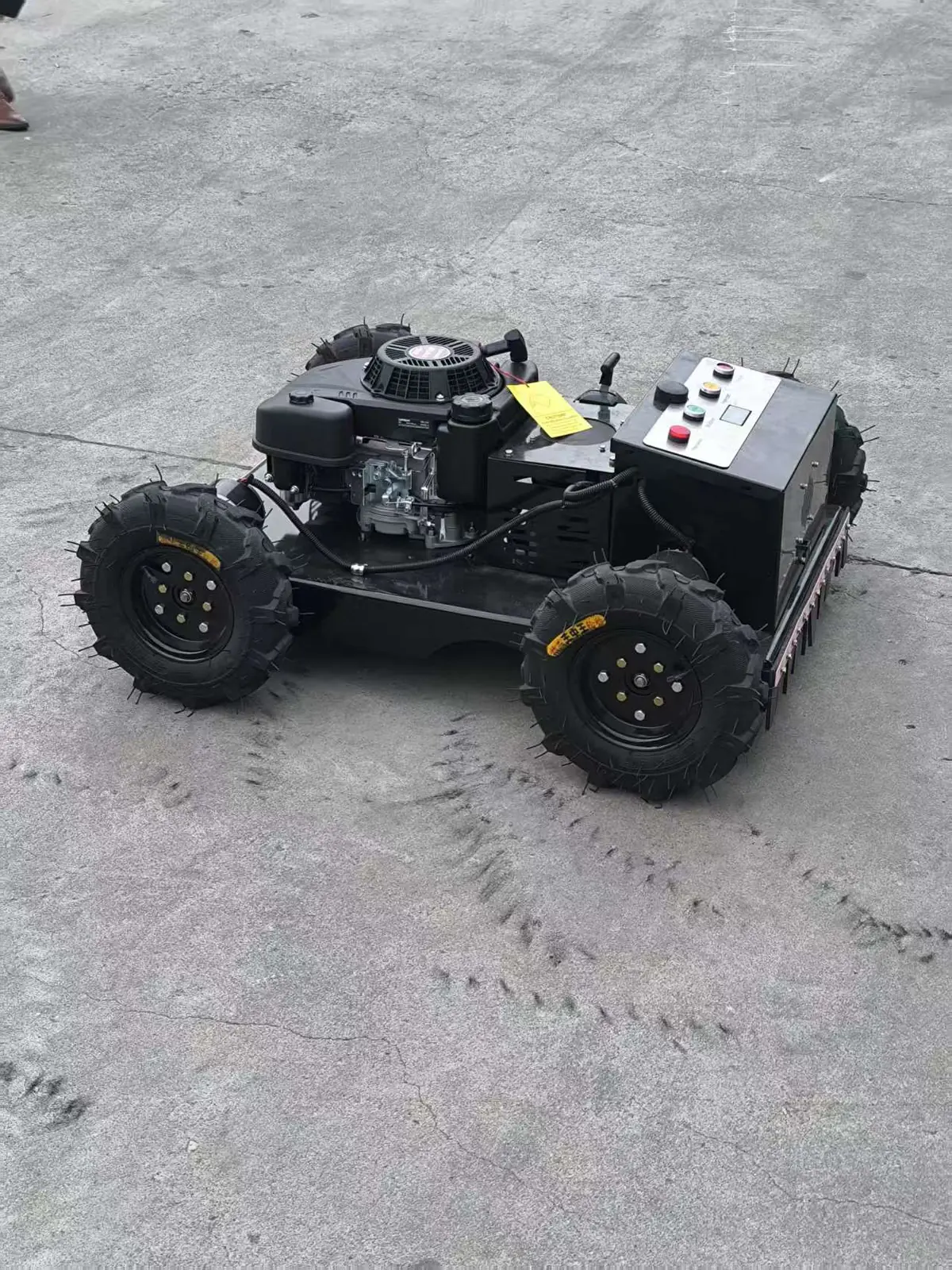
The check-card is the deliverable. It should let a second person reconstruct why a filter was cleaned, replaced, or left alone, and it should let a parts desk order the right item without a phone call. Build it once per asset and update it at every service event. The fields below are the minimum; add engine-specific fields only when the manual calls for them.
| Field | What to enter | Source |
|---|---|---|
| Asset ID | Internal fleet number plus serial | Fleet register and unit plate |
| Mower model and configuration | Model name, wheeled or tracked | Delivery paperwork and unit |
| Fuel type | Gasoline, diesel, or electric | Unit inspection |
| Full engine code | Complete code as stamped, including suffix | Engine identification plate |
| Filter assembly | Paper, foam, pre-filter, or combination | Housing inspection and manual diagram |
| Manual reference | Title, document number, revision, section | Supplied manual or dealer documentation |
| Permitted action | Clean, replace, inspect, or escalate | Matching manual section only |
| Condition notes | Contamination, damage, fit issues | Inspection with photos |
| Next action and owner | Part request, service booking, escalation | Service manager decision |
Log condition, document version and next action
Condition notes should be factual and specific: what was seen, where, and under what conditions. “Dusty” is less useful than “heavy dust on the outer pleats, housing seal intact, no visible tears.” Photographs taken before and after any permitted action make the record auditable and help the next technician spot a trend across the fleet.
Document version matters as much as condition. Record the manual revision you consulted, because a later revision may change the permitted action. If the fleet receives updated documentation, note which assets were serviced under the older version. This is the same discipline used for any controlled maintenance record, and it is what allows a service manager to answer a dealer’s question months later.
Request exact parts without guessing compatibility
A parts request should carry the asset ID, the full engine code, the filter assembly description, and the manual reference that identifies the part. Do not send a request that says only “air filter for remote mower.” Do not assume that a part listed for one engine fits another, and do not assume that a part shown for a different brand’s remote mower is compatible with the unit in your bay.
Where the part number is not legible or not listed in the supplied documentation, request identification from the dealer or manufacturer’s support channel using the recorded engine code and photographs. The Super Mowers commercial remote-control mower page is useful background on the remote-control platform category, but it is not a parts catalogue; confirm the exact part through the proper support route for the specific machine.
FAQ

Can every paper mower filter be cleaned? No. Paper elements differ, and the permitted action depends on the manual for the specific engine and mower. Some manuals permit cleaning under stated conditions; others specify replacement. Husqvarna’s support material separates paper and foam guidance and states that model instructions take precedence, which is the right rule for a fleet. If the manual does not clearly permit cleaning for that element, treat it as replace-only or escalate.
Does one engine manual cover every mower in a fleet? Only the units that carry that engine and match that manual’s model coverage. Simplicity notes that its mowers can use different engine makes, so a single engine manual cannot be assumed to cover a mixed batch. Record the engine code per asset and confirm that the manual you hold covers that exact engine and mower combination.
What if the filter material or engine code is unknown? Stop and escalate. Leave the assembly as it is, record what is legible, photograph the housing and any plate, and route the unit to the dealer or authorized service. Do not clean, substitute, or order a part on the basis of a guess. The asset record should show the gap and who was contacted, so the next step is traceable.
Conclusion

Identify the engine, the filter assembly, and the matching manual before any service action. Record the decision per asset, and escalate when the document or part identity is missing.
Video: How to Check and Change the Air Filter in a Lawn Mower
