 Di Anna
A hydraulic fault report lands on your desk with a vague note: "filter changed, problem back." Before you order parts or book labour, you need to know which filter the technician meant — the one on the pump inlet or the one on the return line. The hydraulic suction filter vs return filter question is not academic; it decides which part number you order and which line you open.
A suction filter (often a strainer) sits between the reservoir and the pump inlet and protects the pump from coarse debris while keeping inlet restriction low. A return filter sits on the line back to the tank and captures wear particles after they pass through the circuit. Position, pressure, and flow requirements differ, so the correct part comes from the machine's own documentation.
Filtro di aspirazione idraulico vs filtro di ritorno: individuare i filtri di aspirazione e di ritorno in un circuito semplice

In a basic hydraulic circuit, the two filter locations sit at opposite ends of the oil's journey. The suction side is upstream of the pump; the return side is downstream of the working components. That single difference in position explains most of the difference in how each filter is built, rated, and serviced.
Seguire il fluido dal serbatoio alla pompa e ritorno
Parti dal serbatoio. Il fluido lascia il serbatoio attraverso una linea di aspirazione ed entra nell'aspirazione della pompa. Se è installato un filtro o una griglia filtrante di aspirazione, si trova in quella linea — o all'uscita del serbatoio — in modo che tutto ciò che entra nella pompa vi passi prima. Dalla pompa, l'olio in pressione viaggia verso valvole, cilindri e motori, svolge il suo lavoro e poi rifluisce attraverso una linea di ritorno al serbatoio. Un filtro di ritorno, dove installato, si trova su quel percorso di ritorno.
Power & Motion's hydraulic filtration overview describes filtration as a circuit-level concern, with filters placed at points where they protect sensitive components and where the system can tolerate the pressure drop they introduce. That framing is useful for maintenance staff: the question is not only "what does this filter catch?" but "what is this filter allowed to cost the circuit in pressure and flow?"
La guida di Flowfit's alla scelta di un filtro di aspirazione idraulico si concentra specificamente sul caso dell'ingresso della pompa. Tratta la filtrazione in aspirazione come un equilibrio tra la protezione della pompa e l'evitare una restrizione eccessiva sull'ingresso, motivo per cui gli elementi lato aspirazione sono comunemente descritti come filtri a rete con mezzi relativamente aperti anziché come filtri fini. La costruzione esatta, la classificazione in micron e la disposizione del bypass restano specifiche del prodotto e della macchina.
Affermare che i circuiti reali differiscono
Un circuito semplice è uno schema didattico, non un disegno di macchina. Le attrezzature mobili reali possono collocare la filtrazione nella linea di pressione, in un circuito offline dedicato, nello sfiato del serbatoio o in combinazioni. Alcuni circuiti usano una griglia filtrante di aspirazione più un filtro di ritorno; altri usano solo uno di questi; altri non usano nessuno dei due nella forma che ci si aspetta.
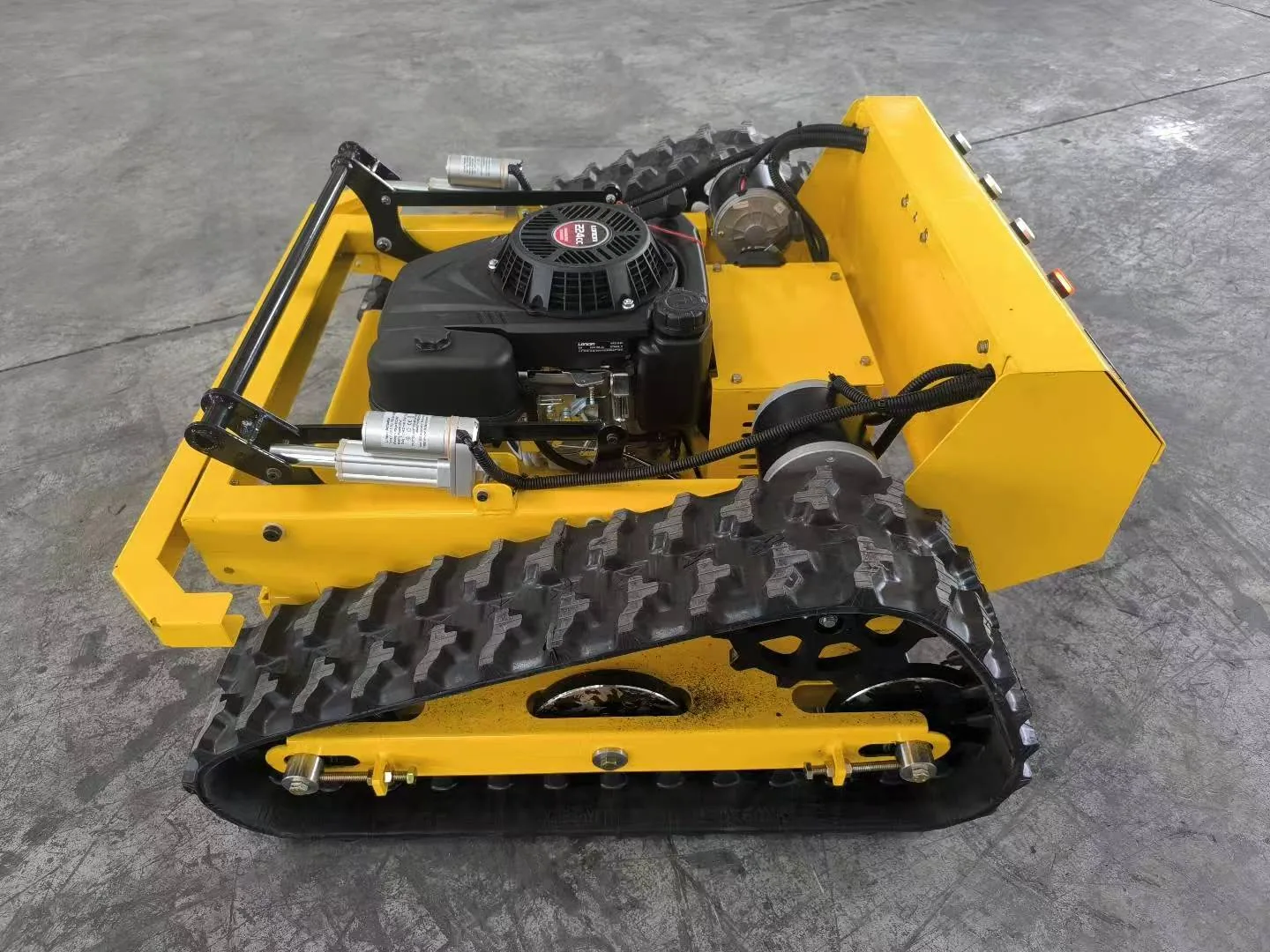
This matters for parts identification. If a technician reports "the hydraulic filter is clogged," the maintenance coordinator should establish which filter, on which line, on which machine and serial number. Without that, a replacement order is a guess. The same caution applies to any Super Mowers machine: the public product page for the remote-controlled gasoline mower lists an optional hydraulic lift, but the filtration layout of that machine is not established by the page and should be confirmed against the actual unit's documentation before any part is ordered.
Compare each location's filtration task and pressure conditions

The two locations face different operating conditions, and that is the practical heart of the comparison. A suction element lives under negative pressure created by the pump's draw; a return element lives under whatever back-pressure the return path and housing impose. Elements are selected for those conditions, not swapped between them.
Utilizzare le descrizioni di Flowfit e Power & Motion
Flowfit's suction-filter guidance centres on pump protection and inlet restriction. The pump is the most expensive and least tolerant component in many circuits, and debris entering the inlet can damage it directly. At the same time, too much restriction at the inlet can cause cavitation and poor pump filling. Suction strainers therefore tend to be coarse, generously sized, and sometimes fitted with a bypass or a vacuum indicator, depending on the design.
Power & Motion's overview places return filtration in the context of the whole circuit: return filters capture wear debris generated by components after it has passed through them, and they are positioned where pressure drop is usually more tolerable than at the pump inlet. Return-line filtration is often described as a convenient service point because the housing is accessible and the element can be changed without opening the pressure side.
Donaldson's hydraulic filtration overview is a further reference for how filter media, ratings, and housing design are presented in manufacturer literature. It is a general technical document; it does not establish the filtration specification of any particular mower, and its examples should not be transferred to a machine without the machine's own manual.
Mantenere i requisiti di pressione e portata associati al filtro
Un codice articolo di un filtro è valido solo entro le condizioni di pressione, portata e fluido per cui è stato progettato. Due elementi possono sembrare simili e differire comunque per pressione di collasso, taratura del bypass, classificazione del mezzo filtrante e capacità di portata. La pianificazione della manutenzione dovrebbe quindi mantenere quanto segue associato a ogni scheda del filtro:
| Domanda | Elemento lato aspirazione | Elemento lato ritorno |
|---|---|---|
| Dove si trova nel circuito? | Tra serbatoio e ingresso della pompa | Sulla linea che riporta l'olio al serbatoio |
| Cosa protegge principalmente? | La pompa, dai detriti che entrano nell'ingresso | I componenti del circuito e la pulizia del fluido, catturando i detriti di usura |
| Quale condizione di pressione incontra? | Pressione all'ingresso della pompa (negativa/limitata) | Pressione della linea di ritorno e contropressione dell'alloggiamento |
| Cosa limita tipicamente la scelta dell'elemento? | Restrizione dell'ingresso e riempimento della pompa | Classe del corpo, capacità di portata e configurazione del bypass |
| Cosa deve includere la scheda dei componenti? | Modello della macchina, numero di serie, posizione nella linea, codice del filtro | Modello della macchina, numero di serie, posizione del corpo, codice del filtro |
| Cosa deve essere verificato nel manuale? | Se è installato un filtro a cestello e il relativo metodo di manutenzione | Se è installato un filtro di ritorno, la sua classe e l'intervallo di manutenzione |
None of the cells above should be filled from a generic article. They are prompts for the machine's own documentation. Where the manual is silent or unavailable, the correct status is "confirm with the manufacturer or dealer," not "assume standard."
Revisione dell'applicazione
Discutere della propria applicazione di taglio.
Condividere le condizioni di lavoro, il mercato di riferimento, la famiglia di prodotti e l'ambito del progetto.
Utilizzare la documentazione del produttore per la pianificazione della manutenzione

Maintenance planning for hydraulic filters depends less on general theory than on accurate machine records. The coordinator's job is to ensure the right element is identified, the right interval is followed, and the right person performs the work. General references help you ask better questions; they do not replace the manual.
Evitare di presumere che entrambi i filtri siano presenti su ogni rasaerba
It is tempting to build a service checklist that lists "suction filter" and "return filter" for every hydraulic machine in a fleet. That checklist will be wrong for some units. Mobile equipment designs vary widely, and a machine with a small hydraulic function — such as a lift circuit — may have a simpler filtration arrangement than a machine with a full hydrostatic drive and multiple work functions.
A safer approach is to build the checklist from the machine's parts list and manual, then use the general suction/return distinction to interpret what you find. For each unit, record:
- Modello della macchina, numero di serie e configurazione di costruzione.
- Quali punti di filtrazione il manuale elenca effettivamente.
- Il codice del componente filtrante e qualsiasi sostituzione (supersession) indicata dal produttore.
- L'intervallo di manutenzione e gli indicatori basati sulle condizioni specificati dal manuale.
- Chi è autorizzato ad aprire componenti idraulici in pressione o confinati.
This record also helps when a technician's report is ambiguous. "Filter changed" becomes a specific line item with a part number and a location, which is what a parts counter needs to supply the correct item.
Affidare la manutenzione sotto pressione a personale qualificato
Hydraulic systems store energy. Lines may remain pressurised after the machine is shut down, and fluid can be hot. Filter housings on the return or pressure side may be under pressure during operation and may require specific depressurisation steps before opening. The machine's manual defines those steps for that machine; a general article should not.
Maintenance coordinators should route filter replacement, housing opening, and any work on pressurised lines to personnel trained and authorised for that equipment, following the manufacturer's procedure. The coordinator's contribution is scheduling, parts accuracy, and record keeping — not improvising a procedure when the manual is missing. If the manual cannot be obtained, that is a documentation gap to escalate, not a reason to proceed from memory.
Domande frequenti

I filtri di aspirazione e di ritorno sono lo stesso componente?
No. They sit at different points in the circuit and are selected for different conditions. A suction element is chosen with pump-inlet restriction in mind; a return element is chosen for the return line's flow and pressure conditions. They should not be treated as interchangeable even when they look similar.
Ogni macchina idraulica ha entrambe le posizioni?
No. Some machines have a suction strainer and a return filter, some have only one, and some use other filtration arrangements. The machine's own manual and parts list are the authority on what is fitted.
Un codice di un filtro dell'aria o del carburante può identificare un filtro idraulico?
No. Air and fuel filtration are separate systems with their own part numbers and specifications. A number from an engine air or fuel filter does not identify a hydraulic element. Use the hydraulic section of the machine's parts list, and confirm the line position as well as the part number.
Per argomenti correlati sulla filtrazione lato motore su questo sito, vedere gli articoli su manutenzione del filtro dell'aria per flotte con controllo remoto e sintomi del filtro del carburante; riguardano sistemi diversi e non sostituiscono la documentazione idraulica.
Conclusione

Suction and return filters protect different parts of the circuit under different conditions. Identify the location and part number from the machine's own manual before ordering or servicing.
Video: 032 Suction Filter vs Hydraulic Return Filter Element: Explanation of Differences and Selection
